Washington Demands Diplomatic History in Exchange for Atomic Energy
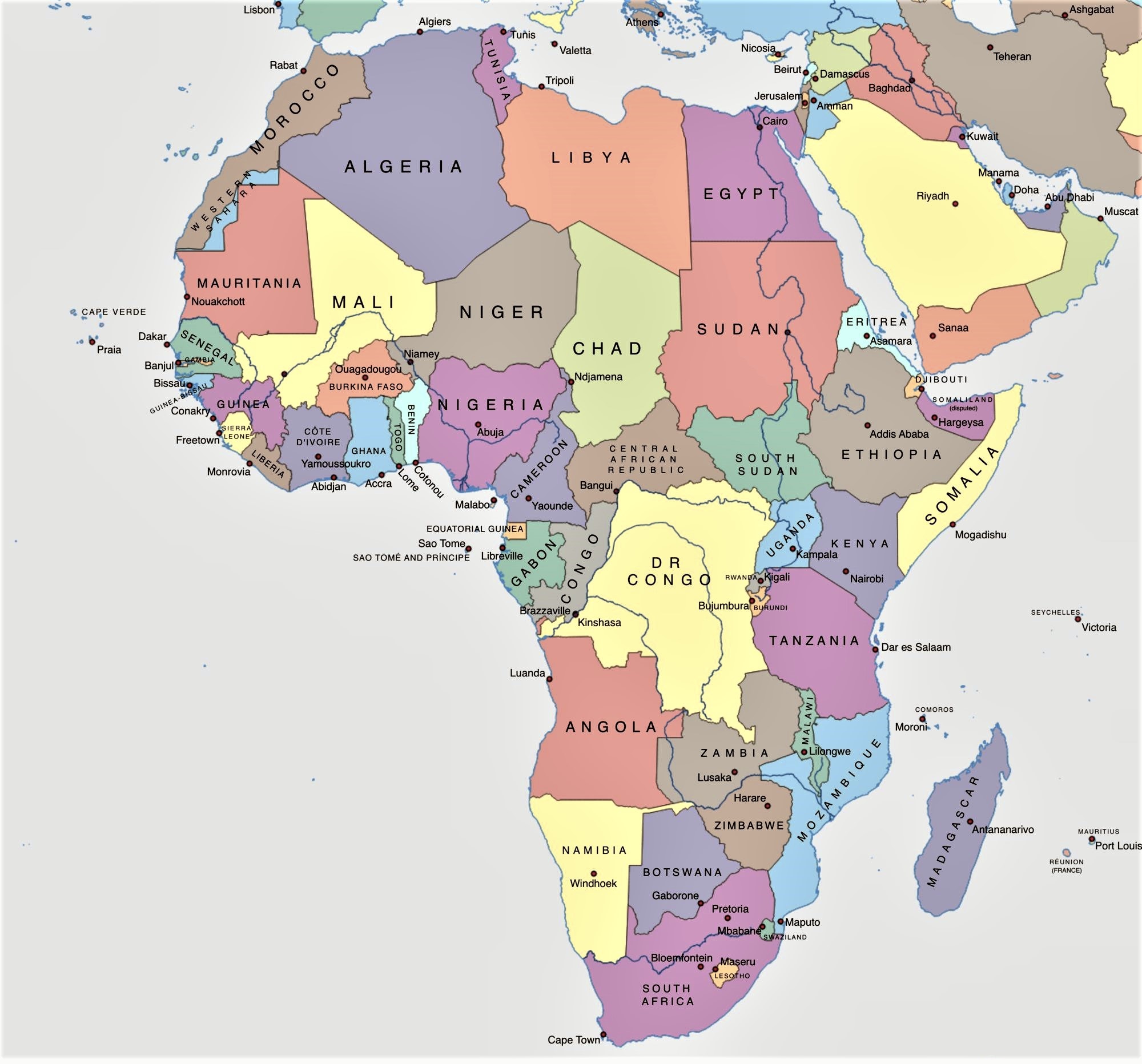
The White House has made its terms explicit regarding a civil nuclear deal with Riyadh. Saudi Arabia will not receive American nuclear technology, fuel enrichment capabilities, or defense guarantees without formally recognizing the State of Israel. Donald Trump reiterated this fundamental condition, underscoring that any pact enabling Saudi nuclear ambitions hinges entirely on diplomatic normalization with Jerusalem. This requirement ties Washington’s technological transfer directly to a historic realignment of the Middle East. By linking civilian atomic power to the Abraham Accords, American foreign policy attempts to secure a landmark diplomatic victory while controlling the spread of sensitive energy technology in a volatile region.
Behind closed doors in Washington and Riyadh, negotiators face an intricate web of security assurances, non-proliferation standards, and regional rivalries. The kingdom wants a sovereign nuclear fuel cycle. Washington fears a potential arms race. Israel watches closely, weighing the promise of official ties against the strategic risk of a nuclear-capable neighbor.
The High Stakes of Uranium Enrichment in the Desert
Riyadh has spent years seeking a civil nuclear agreement with the United States. The goal extends beyond diversifying energy generation away from hydrocarbons. Crown Prince Mohammed bin Salman views nuclear power as a cornerstone of the Vision 2030 modernization program, designed to power desalinization plants and free up crude oil for export.
Yet the sticking point has always been enrichment.
Saudi Arabia insists on indigenous capabilities to mine and enrich its own vast domestic reserves of uranium ore. American non-proliferation law, specifically Section 123 of the Atomic Energy Act, typically requires partner nations to sign a "Gold Standard" agreement. This standard forces nations to forego domestic enrichment and spent-fuel reprocessing, ensuring the technology cannot be repurposed for military use.
"A civil nuclear program without strict, verifiable safeguards on domestic enrichment creates an irreversible threshold capacity."
Riyadh has consistently resisted signing an agreement that restricts its national sovereignty. The kingdom points to Iran, its rival across the Persian Gulf, which retains an active enrichment infrastructure despite years of international sanctions and covert sabotage. From the Saudi perspective, accepting a perpetual ban on domestic enrichment while Tehran enriches uranium creates a critical strategic imbalance.
Washington finds itself in a bind. If the United States refuses to build the reactors, Saudi Arabia can simply buy them from Beijing or Moscow. Chinese state firms have already submitted bids to construct nuclear facilities in the kingdom’s Eastern Province. China imposes no democratic conditions, no non-proliferation "Gold Standards," and certainly no demands regarding diplomatic relations with Israel.
+-----------------------------------------------------------------------+
|                      THE TRIANGULAR BARGAIN                           |
|                                                                       |
|   UNITED STATES <---- Defense Pact & Civil Nuclear ----> SAUDI ARABIA   |
|         \                                                    /        |
|          \                                                  /         |
|       Security                                        Normalization   |
|       Assurances                                       Agreement      |
|            \                                              /           |
|             v                                            v            |
|                              ISRAEL                                   |
+-----------------------------------------------------------------------+
Why Jerusalem Holds the Real Veto Power
American presidents cannot push a nuclear package through Congress without addressing Israeli security concerns. Under U.S. law, Washington is bound to maintain Israel's Qualitative Military Edge (QME) in the region.
Israel views a Saudi civilian nuclear program with profound ambivalence.
On one hand, formal normalization with Saudi Arabia represents the ultimate prize in Israeli regional diplomacy. It would effectively end the broader Arab-Israeli conflict, open vast commercial markets, and cement an anti-Iran coalition stretching from the Mediterranean to the Persian Gulf.
On the other hand, Israeli defense planners are trained to calculate based on capabilities rather than current political intentions. A peaceful civil nuclear program today could theoretically become the foundation for a weapons program tomorrow if regional leadership or domestic stability shifts.
The Congressional Battlefield
Even if a president signs off on a U.S.-Saudi deal, Capitol Hill presents a formidable barrier. A Section 123 agreement must sit before Congress for 90 days of continuous session. Lawmakers from both major parties have voiced intense skepticism regarding Saudi security guarantees.
To overcome a bipartisan block in the Senate, the executive branch needs Israel to actively lobby for the deal. Israel will only do so if the normalization benefits overwhelmingly outweigh the proliferation risks. That means the U.S. must offer Jerusalem advanced weapons systems and explicit defense commitments to offset any tech transfers to Riyadh.
The Calculus of Normalization for the House of Saud
Diplomacy requires compromise, but the political costs for Riyadh remain high. Saudi Arabia holds a unique position in the Muslim world as the Custodian of the Two Holy Mosques in Mecca and Medina.
For decades, official Saudi policy anchored regional recognition of Israel to the creation of an independent Palestinian state based on 1967 borders. Abandoning that baseline without securing significant concessions for Palestinians risks damaging the kingdom’s religious legitimacy and triggering domestic backlash.
The economic pressure, however, is immense.
Building a modern economy requires reliable base-load electricity that does not consume millions of barrels of exportable oil each day. Nuclear power offers that clean energy foundation. Furthermore, a formal security treaty with the United States—resembling the mutual defense guarantees Washington provides to NATO allies or Japan—would solidify Saudi national security for generations.
To get that defense treaty, the kingdom must sign on the dotted line with Jerusalem.
The Great Power Competition Factor
Washington isn't operating in a vacuum. Every delay in U.S.-Saudi negotiations creates an opening for rival global powers.
China has positioned itself as an eager supplier. Beijing's state-owned nuclear companies offer turnkey reactor designs, financing, and technical training without requiring Washington-style non-proliferation commitments. More importantly, Beijing does not demand that Saudi Arabia normalize ties with Israel or overhaul its internal governance.
Russia’s Rosatom, the world's leading exporter of nuclear power plants, presents another alternative. Rosatom currently builds reactors across the developing world, using a model where Russia supplies fuel and manages waste, bypassing local enrichment entirely while building decades of strategic dependency.
If Washington demands terms that Riyadh considers unacceptable, the Saudis can pivot East. Doing so would diminish American influence in the Middle East for a generation, leaving Chinese or Russian tech embedded in the kingdom's core infrastructure.
Yet, foreign reactors come with a major catch for the Saudis. Neither Beijing nor Moscow can provide what Riyadh ultimately wants: an ironclad security guarantee from the United States military, backed by American air defense systems and naval power. China cannot replace the U.S. Fifth Fleet. Russia cannot provide the political clout required to stabilize the region's security architecture.
The nuclear reactor is simply the political leverage point. The real prize is the U.S. military umbrella, and the price of that umbrella is a peace treaty with Israel.
Mechanics of a Non-Proliferation Compromise
Can negotiators bridge the gap between Saudi sovereignty and non-proliferation security?
One potential solution involves constructing a U.S.-owned and U.S.-operated enrichment facility on Saudi soil. Under this model, the facility remains an American enclave. U.S. personnel control the centrifuges, monitor the fuel cycles, and guarantee that enrichment never exceeds the 3.5% to 5% threshold needed for commercial power generation.
This approach gives Saudi Arabia a domestic fuel supply without handing over the technical know-how to enrich uranium independently. It mirrors the consortium models used in Western Europe, where technical access is strictly compartmentalized.
Another option relies on long-term fuel leasing. The U.S. or a international consortium provides all enriched fuel rods and immediately removes spent fuel from the country, eliminating the risk of plutonium extraction.
However, these compromises require Riyadh to compromise on its demand for full technological independence. They also require Washington to accept a degree of proliferation risk that previous administrations fought to avoid.
The clock is ticking for all parties involved. The White House wants to secure a historic Middle Eastern peace framework that reshapes global energy and security alliances. Saudi Arabia needs to solidify its security guarantees before power shifts occur. Israel faces a choice between ultimate regional integration and maintaining an absolute monopoly on nuclear technology in the region.
The leverage remains clear. American atomic technology and military backing are available, but the price tag is fixed: formal, open, and lasting diplomatic recognition of Israel.