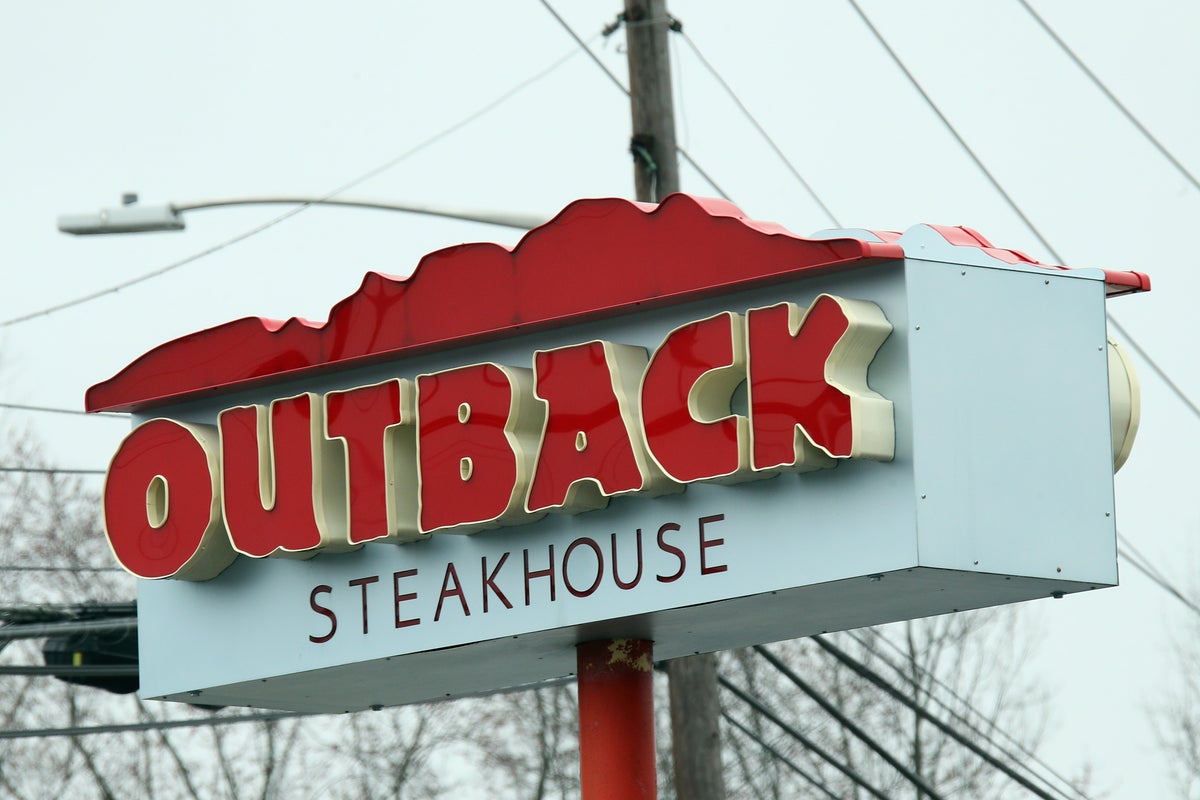
A Florida man is seeking $1.5 million in damages from Outback Steakhouse after a catastrophic slip and fall involving a stray scoop of mashed potatoes. The lawsuit alleges that corporate negligence directly caused severe, life-altering physical trauma when the diner face-planted onto the restaurant floor. While the internet treats the case as a bizarre headline, the litigation exposes the high-stakes financial warfare underlying modern restaurant slip-and-fall claims. Behind the sensationalized Details lies a calculated legal battleground where corporate cleaning logs, surveillance blind spots, and premises liability laws intersect to dictate seven-figure corporate payouts.
This is not a frivolous payout scheme. It is a textbook battle over corporate duty of care and the hidden operational vulnerabilities of the casual dining sector.
The Anatomy of the Incident
The legal complaint paints a grim picture of an ordinary dinner turned into an emergency room nightmare. According to court filings, the plaintiff was walking through a high-traffic aisle near the kitchen transition zone when his boot lost traction on a greasy deposit of mashed potatoes left on the floor tile.
He fell instantly. The impact fractured his jaw, shattered several teeth, and caused a traumatic brain injury that his legal team argues will require lifelong neurological monitoring.
Casual dining corporations design their floor plans to maximize table capacity, often compressing pathways used simultaneously by rushing servers and patrons. When a kitchen line operates at peak Friday-night capacity, food debris is an inevitable byproduct of speed. The legal threshold for liability does not depend on whether food drops; it depends entirely on how long it stays there.
The Legal Threshold of Reasonable Notice
To secure a $1.5 million verdict, the plaintiff's legal team must clear a massive evidentiary hurdle known as constructive notice. This legal standard dictates that a business is only liable for a hazard if management knew about it, or if the hazard existed for such a length of time that the staff should have discovered and removed it through the exercise of ordinary care.
Restaurants defend themselves using the sweep sheet defense.
| Defense Element | Corporate Protocol | Plaintiff Counter-Strategy |
|---|---|---|
| Time Trackers | Hourly logs detailing when floors were swept and mopped. | Subpoenaing video footage to cross-reference log timestamps against actual staff movements. |
| Spill Response | Yellow caution signs placed immediately over wet zones. | Demonstrating that signs were placed after the incident or obscured from guest sightlines. |
| Staff Training | Mandatory onboarding videos teaching "clean-as-you-go" philosophies. | Interviewing low-wage line cooks to reveal chronic understaffing that prevents proper cleaning. |
If the mashed potatoes sat on the floor for two minutes before the fall, the defense will likely win summary judgment. If the starch was stamped down, discolored, or track-marked by multiple server shoes over the course of forty minutes, the plaintiff has a clear path to a massive jury award.
The Kitchen Transition Vulnerability
The architectural border between the kitchen and the dining room is the most dangerous zone in any restaurant. Kitchen staff wear specialized slip-resistant footwear designed to grip floors slick with animal fats and commercial dish soap. Patrons wear whatever they want.
When a server steps from the quarry tile of the kitchen onto the carpet or luxury vinyl tile of the dining room, their shoes transfer a microscopic layer of grease. Over a weekend shift, this creates an invisible slick that reduces the floor’s static coefficient of friction below safe thresholds. A single dropped carbohydrate like a side of mashed potatoes turns that low-friction zone into ice.
The Financial Calculus of Insurance Settlements
Outback Steakhouse operates under the corporate umbrella of Bloomin' Brands, a hospitality giant backed by substantial commercial general liability policies. Insurance adjusters do not view these cases through the lens of empathy or public relations. They view them as cold actuarial equations.
Defense attorneys routinely attempt to drag out these cases to exhaust the plaintiff's financial resources. Medical bills accumulate rapidly after a facial reconstruction surgery. By delaying the discovery phase, corporate legal teams pressure injured parties into accepting lowball settlements that cover immediate out-of-pocket medical debts but ignore long-term pain, suffering, and diminished earning capacity.
The $1.5 million figure is a calculated opening salvo. It accounts for past medical expenses, projected future surgeries, economic loss from missed work, and non-economic damages designed to punish systemic corporate corner-cutting.
The Myth of the Frivolous Lawsuit
Corporate public relations departments have spent decades conditioning the public to laugh at slip-and-fall litigation. They want consumers to view plaintiffs as opportunistic grifters looking for an easy payday over a minor stumble. The reality inside the orthopedic ward tells a different story.
When an unsuspecting diner falls without warning, they cannot execute a controlled break-fall. The human face absorbs the full kinetic energy of the impact against commercial-grade flooring. This results in permanent nerve damage, chronic vertigo, and astronomical dental bills that health insurance providers routinely refuse to cover fully, classifying the treatments as cosmetic or third-party liability issues.
Restaurateurs who cut labor costs by reducing floor staff inevitably pay the price in court. A understaffed kitchen means the busboy is washing dishes instead of checking the aisles. That structural deficit is exactly what a skilled personal injury attorney exposes during a deposition.
The outcome of this lawsuit will not rest on theatrical courtroom rhetoric. It will be decided in the digital metadata of Outback's internal surveillance system and the precise timeline of a kitchen manager's shift report.