The recovery of 24 bodies from a river in Bangladesh following a bus plunge is not an isolated tragedy. It is a predictable outcome of a systemic collapse in transport safety that claims thousands of lives annually. This specific disaster occurred when a passenger bus veered off a bridge, a scenario that has become a grimly recurring headline in South Asia. While immediate reports often focus on the search and rescue operations, the underlying cause is rarely just a "slick road" or a "mechanical failure." It is a toxic cocktail of unlicensed drivers, overloaded vehicles, and a lack of structural oversight on major transit corridors.
The Anatomy of a Transit Disaster
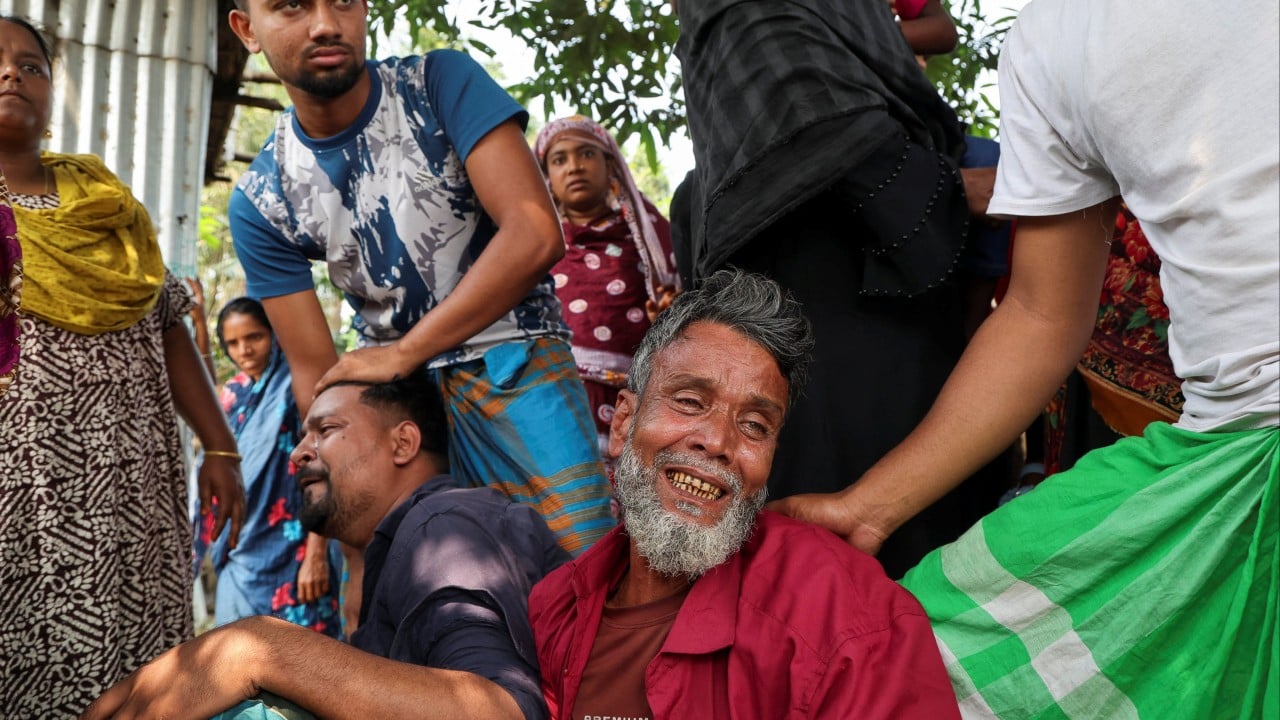
In the aftermath of the recent plunge, the scene followed a hauntingly familiar script. Divers from the fire service and local volunteers worked through the debris to pull victims from the water, while grieving families gathered at the riverbank. This is the visual reality of a failed regulatory environment. To understand why 24 people died in a single afternoon, we have to look at the bus itself.
In Bangladesh, the "fitness certificate" is a document frequently obtained through middle-men rather than rigorous inspection. Many of the long-haul buses plying the highways are essentially recycled truck chassis with wooden or light-metal bodies bolted on top. These top-heavy structures are inherently unstable. When a driver takes a corner too fast or attempts a reckless overtake—common practice on two-lane highways—the center of gravity shifts. The bus doesn't just skid; it rolls. If that roll happens on a bridge without reinforced crash barriers, the vehicle ends up in the water.
The License Paradox
The man behind the wheel is often the most overlooked factor in the investigation. Statistics from local transport unions and safety advocates suggest a massive gap between the number of registered heavy vehicles and the number of valid commercial licenses. This means thousands of drivers are operating high-capacity passenger coaches with licenses meant for light cars, or with no formal training at all.
Fatigue plays a massive role. Drivers are often pushed by bus owners to complete "triple trips" during festival seasons or busy weekends. A driver who has been behind the wheel for 18 hours straight loses the cognitive ability to react to a sudden obstacle. In the case of this recent river tragedy, witness accounts often mention the bus swerving suddenly. Was it a mechanical break? Or was it a micro-sleep that lasted just long enough to send 24 people to their deaths?
Engineering Failure and the Illusion of Infrastructure
Bangladesh has seen a massive boom in bridge construction and highway expansion over the last decade. On paper, the country is more connected than ever. However, the engineering standards for safety features like guardrails have not kept pace with the speed of the vehicles.
Most highway bridges in the region utilize standard concrete railings designed to keep pedestrians safe, not to stop a 12-ton bus traveling at 80 kilometers per hour. When a vehicle hits these barriers, they snap like toothpicks. A true safety barrier, such as a high-tension cable system or a reinforced Jersey barrier, would likely have kept the bus on the deck. It would have been a bad crash, certainly, but it wouldn't have been a drowning.
The Economic Incentive for Risk
The transport sector in Bangladesh is a powerhouse of the economy, but it is also one of the most politically charged. Private bus owners hold significant influence. This creates a vacuum where enforcement of safety laws becomes a negotiation rather than a mandate. When the police attempt to crack down on unfit vehicles or unlicensed drivers, transport strikes often follow, paralyzing the country.
This leverage allows the status quo to persist. Owners prioritize the "trip count" over the "safety check." Maintaining a braking system or replacing worn tires costs money and takes the bus off the road. In a high-volume, low-margin business, safety is treated as a luxury rather than a baseline requirement. The 24 lives lost in the river are, in the coldest economic terms, considered an acceptable cost of doing business by those who manage the fleets.
Breaking the Cycle of Mourning
Fixing this isn't about more rescue divers; it is about preventing the plunge before it starts. The solution requires a three-pronged attack on the current culture of the road.
First, the digitization of the fitness and licensing system is non-negotiable. By removing the human element from the inspection process, the government can ensure that only roadworthy vehicles are allowed to start their engines. Second, the "chassis-body" loophole must be closed. Purpose-built buses with integrated safety frames must replace the makeshift "local" coaches that disintegrate on impact.
Finally, there must be a shift in bridge design. Any bridge over a body of water must be equipped with crash-rated barriers capable of redirecting heavy vehicles.
The grief seen on the riverbanks this week is a direct result of decades of corner-cutting and political maneuvering. Until the cost of a human life outweighs the profit of an extra trip, the divers will continue to be the busiest men on the highway. Demand a transparent audit of the national transport licensing board to see exactly how many "unfit" vehicles are still permitted to carry your family across a bridge tonight.