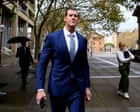
The myth of the clean-cut Australian war hero died in a Sydney courtroom, but the details buried in the court documents are far grimmer than most people realize. We aren't just talking about "fog of war" or split-second decisions made in the heat of a firefight. We’re looking at allegations of cold, calculated executions. Ben Roberts-Smith’s own comrades, men trained to kill and conditioned to stay silent, finally broke. They didn't just suggest he crossed a line. They testified that he ordered them to murder unarmed civilians.
If you’ve followed the defamation trial, you know it was a disaster for the Victoria Cross recipient. But the real story isn't just the verdict. It’s the terrifying breakdown of military discipline that allowed these alleged war crimes to happen in the first place. When SAS soldiers start accusing their own of being a "war criminal," the standard defense of "you weren't there, you don't know" starts to fall apart.
What the SAS Comrades Actually Said
The testimony from "Person 4" and "Person 41" wasn't vague. It was hauntingly specific. These weren't enemies or keyboard warriors; these were members of his own troop. They described a culture where Roberts-Smith allegedly acted as a law unto himself.
One of the most damning accounts involves the 2009 raid on a compound known as Whiskey 108. According to court documents and testimony, Roberts-Smith didn't just participate in the mission; he directed the slaughter. His comrades claimed he ordered a junior soldier to shoot an elderly Afghan man to "get his first kill." This practice, known as "blooding," is a sickening initiation ritual that has no place in a professional military. It’s a way to tie a young soldier to a secret, ensuring their silence through shared guilt.
Then there’s the case of the man with the prosthetic leg. The court heard how Roberts-Smith allegedly machine-gunned an unarmed man and then allowed his teammates to use the dead man’s prosthetic leg as a macabre drinking vessel at their unofficial bar, "The Fat Lady’s Arms." This isn't just a violation of the Geneva Convention. It's a total collapse of human decency.
The Problem with the Hero Narrative
Australia loves its ANZAC legends. We want our soldiers to be flawless. This cultural desperation for a hero made Ben Roberts-Smith untouchable for years. He was the poster boy for the Australian Defence Force (ADF). Standing at 6'6", decorated with the highest military honor, he was the guy politicians wanted to stand next to.
That’s exactly why it took so long for the truth to surface. When you're a VC winner, you have a shield. If a junior soldier speaks up against you, who's the military brass going to believe? The guy with the medal or the guy who "can’t handle the pressure"?
The court documents show a pattern of intimidation. Roberts-Smith didn't just allegedly kill civilians; he allegedly threatened his own teammates to keep them quiet. He sent anonymous letters. He used his status to bully anyone who dared to question his methods. This is why the testimony of his comrades is so heavy. They didn't just risk their careers by speaking; they risked their entire social circle and reputation within the tight-knit special forces community.
Why These Allegations Changed Everything
Before this trial, war crime allegations were often dismissed as "left-wing bias" or "Taliban propaganda." That excuse is gone now. Justice Anthony Besanko’s ruling in the defamation case found that the most serious allegations were "substantially true."
- The Cliff Kick: In Darwan in 2012, Roberts-Smith was found to have kicked an innocent, handcuffed farmer named Ali Jan off a cliff. He then ordered a subordinate to shoot the man.
- The Murder at Whiskey 108: The court accepted that he murdered a disabled man by growing impatient and firing his Minimi sub-machine gun into the man's back.
- The Culture of Fear: The evidence painted a picture of a soldier who thought he was bigger than the law, bigger than the army, and certainly bigger than the lives of the "dirt eaters" (a derogatory term used for Afghans) he was supposed to be protecting or neutralizing.
This isn't just about one man. It’s about a systemic failure. The Brereton Report, which investigated these claims, found a "disgraceful" and "profound" betrayal of the SAS’s professional standards. It identified a "warrior culture" that had curdled into something toxic.
The Cost of Looking the Other Way
We often hear that special forces need a "different" kind of person. We’re told they need to be aggressive. Sure. But there is a massive difference between being a hard-edged operator and being a predator. When the chain of command ignores the warning signs—the bullying, the "trophy" photos, the whispers of unnecessary killings—they become complicit.
The SAS comrades who stood up in court were often treated like traitors by their peers. That’s the real tragedy here. The men trying to uphold the actual values of the Australian military were the ones ostracized, while the man allegedly committing murders was being feted in Canberra.
The documents reveal that internal reports about Roberts-Smith’s behavior were buried or ignored for years. Senior officers didn't want to tarnish the reputation of the regiment. They chose the image of the hero over the reality of the soldier. In doing so, they let down every soldier who actually follows the rules of engagement.
What Happens Now
Ben Roberts-Smith hasn't been criminally charged yet. The defamation trial was a civil matter, though the "balance of probabilities" standard used by the judge was incredibly high given the seriousness of the claims. The Office of the Special Investigator (OSI) is still digging.
This isn't going away. The international community is watching. If Australia doesn't hold its own accountable, the International Criminal Court (ICC) could step in. That would be a massive blow to national sovereignty.
If you want to understand the depth of this scandal, stop looking at the medals. Read the transcripts. Read about the fear in the voices of the men who had to serve under him. They describe a man who turned the battlefield into a private hunting ground.
The next step for the ADF isn't just about legal trials. It’s about a complete cultural overhaul. They need to strip away the "celebrity soldier" nonsense and get back to basic accountability. You can't have a functional military where soldiers are more afraid of their sergeant than they are of the enemy.
The documents are public. The testimony is on the record. The silence is finally over, but the damage to the SAS brand might take decades to repair. If you're looking for a hero in this story, don't look at the guy on the posters. Look at the soldiers who sat in a witness box and told the truth about their "brother," knowing it would ruin their lives. They’re the ones who actually saved the reputation of the regiment.
Check the latest updates from the Office of the Special Investigator if you want to track the progress of the criminal briefs. The legal battle is far from finished.