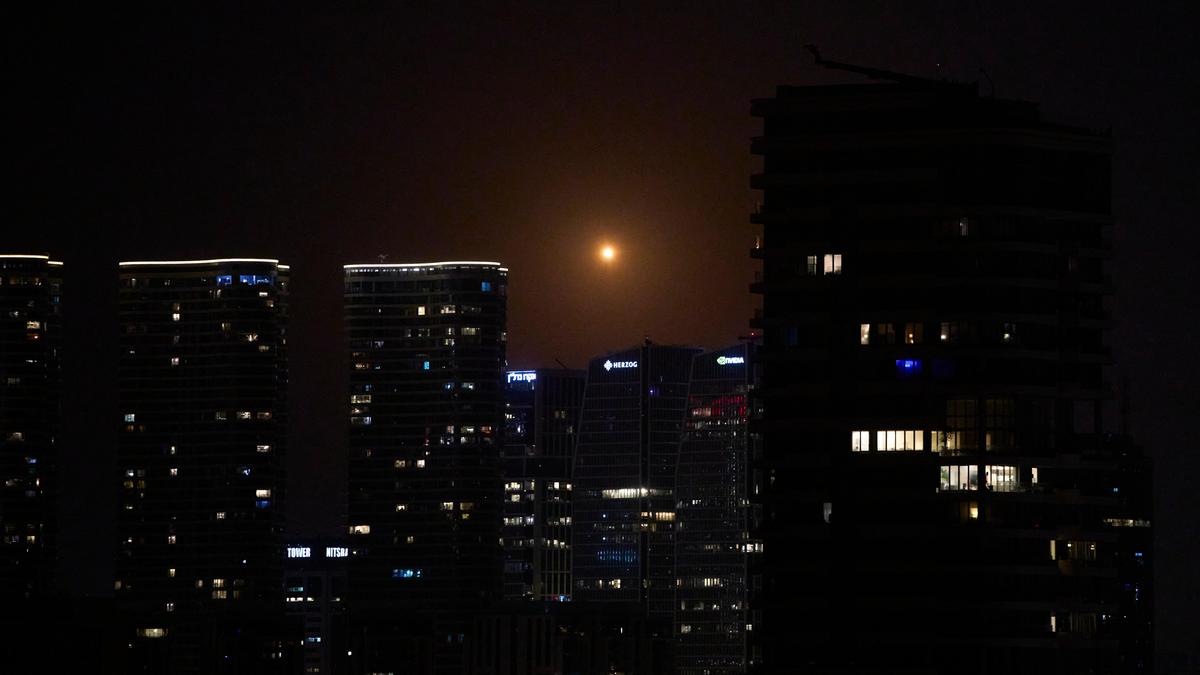
The shadow war between Iran and Israel has finally stepped into the blinding light of a full-scale regional conflagration. Last night, the air over Tel Aviv didn’t just crackle with the usual hum of interceptors; it shattered under the weight of Iranian "cluster warheads," a desperate and lethal escalation designed to overwhelm the most sophisticated missile defense system on earth. While the world watches the streaks of light over the Mediterranean, the ground reality in Beirut has turned into a slaughterhouse, with Israeli strikes claiming at least six more lives in the heart of the Lebanese capital.
This is no longer a series of "tit-for-tat" exchanges. We are witnessing a calculated attempt by Tehran to rewrite the rules of engagement using submunitions that turn a single missile into a rain of dozens of smaller explosives. By targeting densely populated areas like Ramat Gan and Tel Aviv, Iran is signaling that the era of "calibrated" responses is over. They are no longer aiming for military outposts; they are aiming for the psychological collapse of the Israeli home front.
The Science of the Shrapnel
To understand why cluster warheads are being used now, one must look at the math of missile defense. Israel’s Iron Dome and Arrow systems are world-class, but they are designed to track and neutralize unitary targets. When an Iranian missile releases a cluster of submunitions mid-flight, the radar signature multiplies. Interceptors cannot hit every fragment. The result is a deadly lottery where even a "successful" interception allows fiery debris and unexploded bomblets to coat civilian streets.
Intelligence reports suggest these strikes were a direct retaliation for the assassination of Ali Larijani, the Secretary of Iran’s Supreme National Security Council. Larijani was not just a bureaucrat; he was the de facto architect of Iran’s regional "Forward Defense" strategy. His death, alongside his son and deputy Alireza Bayat, has left a vacuum in Tehran that the new Supreme Leader, Mojtaba Khamenei, is filling with raw aggression.
Beirut and the Cost of Proximity
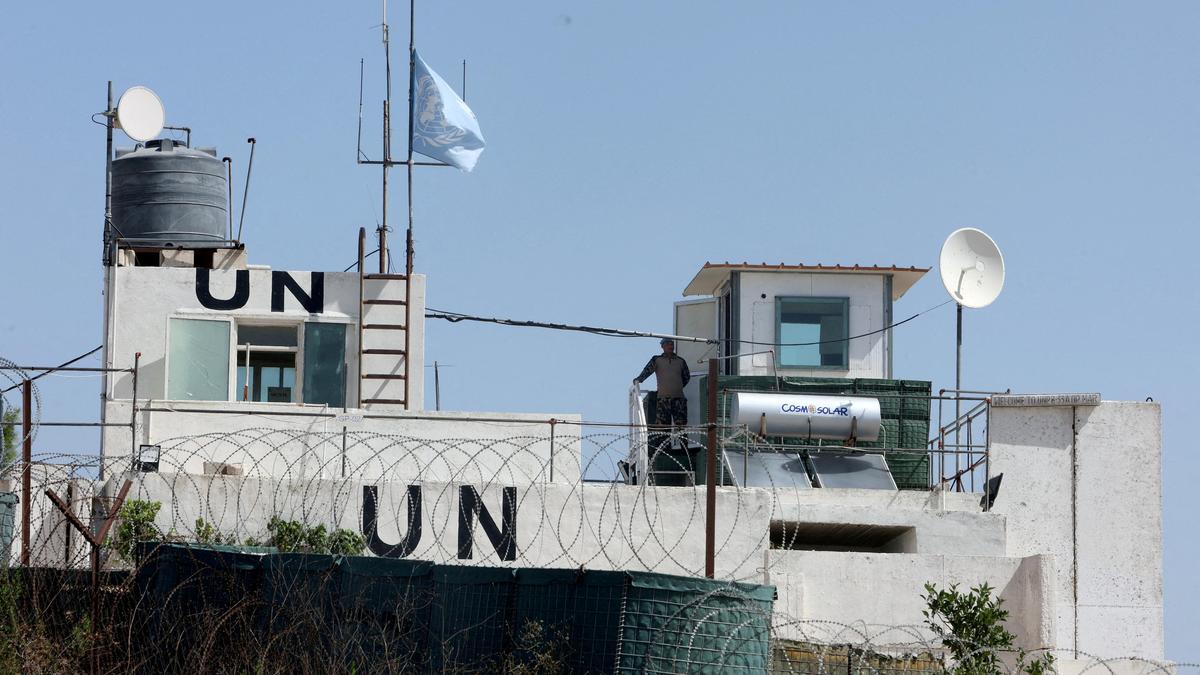
While Tel Aviv reels from the cluster threat, Beirut is being dismantled block by block. The latest Israeli strikes targeted the southern suburbs, but the radius of destruction has ignored the informal boundaries of the city. Six dead in one night is a statistic; the reality is the systematic erasure of Lebanon’s sovereignty as Israel pursues Hezbollah’s leadership.
The "why" here is straightforward but grim. Israel has shifted from a policy of containment to one of total degradation. By striking the center of Beirut, the IDF is betting that the Lebanese population will eventually turn on Hezbollah. Historical precedent suggests the opposite. Displacement and civilian casualties often harden the resolve of the base, creating a cycle of recruitment that no amount of precision bombing can solve.
The Strait of Hormuz Stranglehold
The kinetic war is only half the story. Thousands of miles from the falling debris in Tel Aviv, the global economy is feeling the pulse of the conflict. The effective closure of the Strait of Hormuz has sent oil prices into a vertical climb. President Donald Trump has called for an international coalition to "police" the waterway, but the response from traditional allies has been icy.
Nations like Australia have already declined to send naval assets, citing the "unjust" nature of the escalation. This diplomatic friction is exactly what Tehran wants. By turning the conflict into a global economic crisis, Iran is forcing a choice upon the West: support the military campaign and face domestic economic ruin, or pressure Israel for a ceasefire.
Tactical Shifts on the Ground
- Iran's Attrition Strategy: Tehran is now launching an average of ten waves of attacks per day, maintaining a steady pressure that prevents the Israeli economy from returning to a routine.
- Hezbollah’s Participation: Since March 2, Hezbollah has launched over 500 waves of attacks, effectively pinning down multiple IDF divisions that would otherwise be deployed in a ground incursion into Iran.
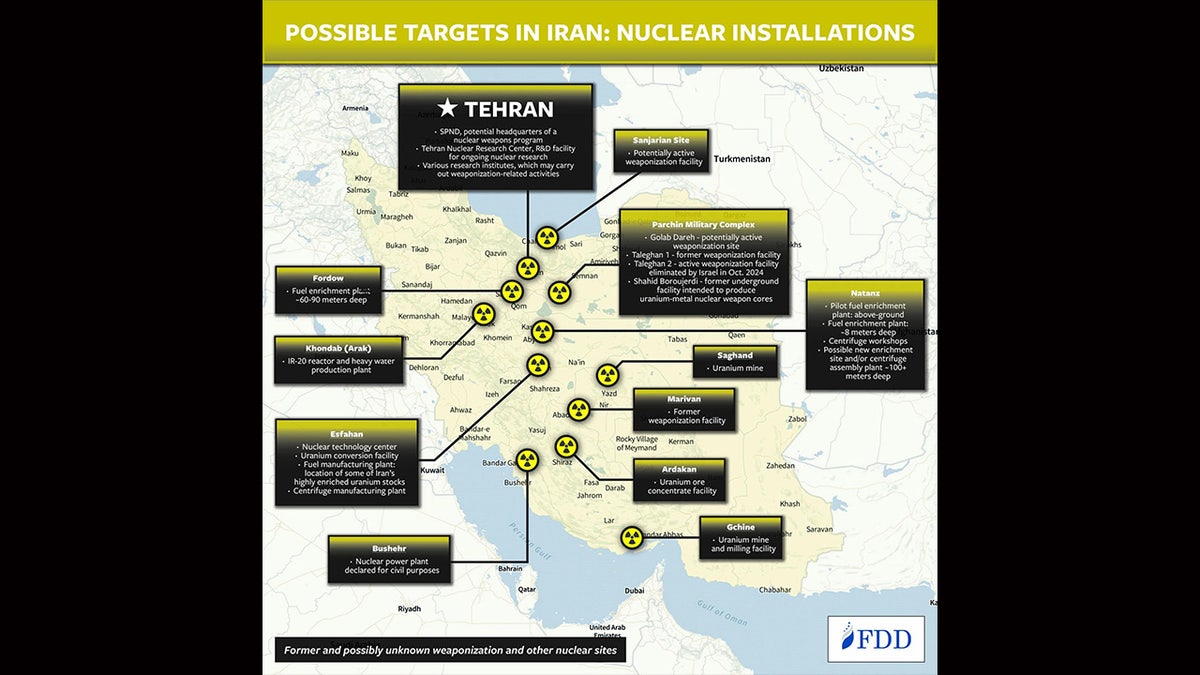
- The Nuclear Shadow: A projectile recently landed near the Bushehr nuclear power plant. While no leak was detected, the proximity of the strike serves as a harrowing reminder that the "red lines" of this war are being redrawn in real-time.
A War with No Exit Ramp
The most chilling factor in this escalation is the absence of a "Day After" plan. Neither the United States nor the new leadership in Iran appears interested in the diplomatic backchannels that traditionally prevent total war. Mojtaba Khamenei has reportedly rejected all ceasefire proposals, stating that peace will only come when "the United States and Israel are brought to their knees."
This isn't a conflict that ends with a signed treaty in a neutral European capital. It is a war of exhaustion. The use of cluster munitions in Tel Aviv and the leveling of Beirut neighborhoods are symptoms of a deeper rot in the regional security architecture. We are no longer watching a movie with a predictable ending; we are watching the foundation of the Middle East burn.
Watch the skies over the next 48 hours. If the frequency of cluster attacks increases, the Iron Dome will reach a saturation point. When the shield fails, the political pressure on the Israeli government to launch a final, catastrophic strike on Iranian infrastructure will become unbearable. The fuse is not just lit; it is halfway to the powder keg.