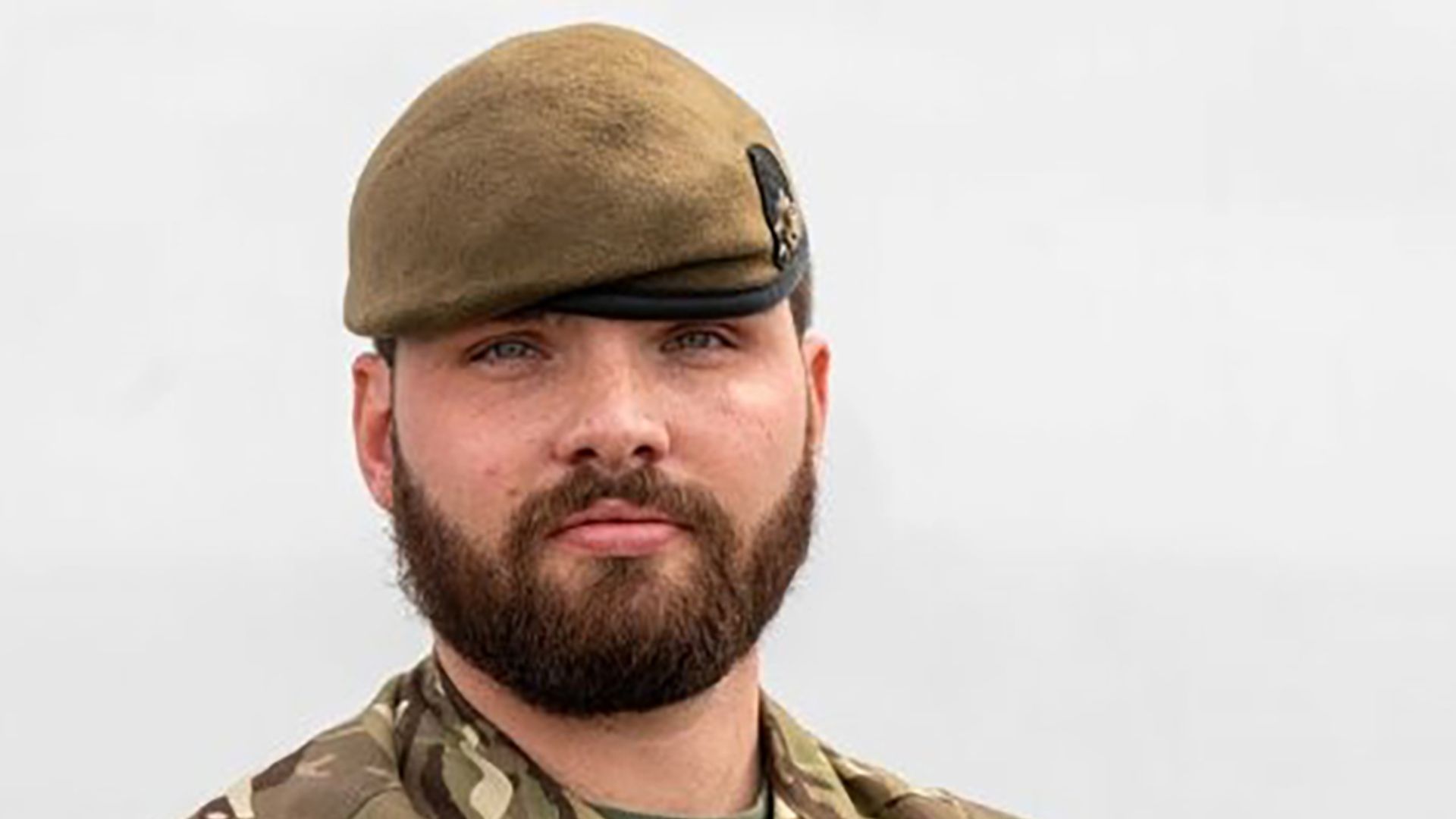
The death of a British soldier during a training exercise in Iraq exposes a systemic crisis in military risk management that extends far beyond a single tragic incident. Lance Corporal Scott Hetherington, a member of the 2nd Battalion The Duke of Lancaster's Regiment, died from a fatal gunshot wound at the Taji military complex north of Baghdad. While initial reports framed the event as a tragic operational accident, an investigation into the mechanics of overseas training deployments reveals deep-seated vulnerabilities in weapons handling protocols, supervisor ratios, and the intense psychological pressures facing personnel deployed on non-combat training missions.
The immediate task of Operation Shader involves mentoring Iraqi and Kurdish forces to ensure they can sustain operations against insurgent remnants. Yet, the environment where this training occurs is inherently volatile. Troops are trapped in a frustrating paradox. They operate in a high-threat zone but are restricted to a non-combat, instructional mandate. This friction creates a unique set of operational hazards that defensive ministry statements rarely acknowledge.
The Illusion of the Safe Zone
Military training units frequently operate under the assumption that the perimeter secures the force. It does not. At the Taji complex, British personnel were tasked with a grueling schedule of instruction, often working alongside local forces with varying degrees of discipline and language barriers.
When a soldier dies in a non-combat environment, the immediate public reaction is confusion. People want to know how a highly trained professional perishes behind friendly lines. The reality is that live-fire training environments are statistically among the most dangerous spaces a soldier will ever inhabit. The margin for error is non-existent. A split second of situational unawareness, a dirty weapon mechanism, or a minor lapse in a standard clearing routine can result in a fatal discharge.
Historical data from the Ministry of Defence shows a persistent pattern of accidental discharges during overseas deployments. These are not always caused by equipment failure. More often, they stem from standard operating procedures being subtly modified to accommodate local conditions. In the heat of the Iraqi climate, complacency becomes an active enemy. Routine tasks like clearing a weapon before entering a communal space become hurried. The sequence is broken, and a round remains chambered.
Structural Failures in Oversight and Command
The chain of command often protects itself by attributing training accidents to individual error. This is a convenient deflection. True accountability requires looking at the ratios of safety supervisors to active participants during these high-stakes drills.
- Supervisor Fatigue: Personnel tasked with safety oversight are frequently stretched across multiple training lanes simultaneously, diminishing their ability to spot micro-errors in handling.
- Inadequate Rehearsals: Tight operational timelines mean that units sometimes compress the dry-run phase of an exercise to move directly to live ammunition.
- Complacency in Routine: When a unit performs the same instructional blocks for weeks on end, the sharp edge of vigilance inevitably dulls.
The pressure to deliver results on Operation Shader means that throughput numbers—the number of Iraqi soldiers trained per month—frequently take precedence over strict adherence to peacetime safety frameworks. When the demands of a political timeline clash with the rigid realities of range safety, the results are predictably disastrous.
The Psychological Friction of Non-Combat Deployments
There is a distinct mental toll associated with non-combat deployments in active theaters. Soldiers are trained to fight, but on mentoring missions, they must watch others prepare for the fight. This creates a state of chronic hyper-vigilance combined with acute boredom.
This specific psychological cocktail undermines operational safety. In a hot combat zone, the adrenaline keeps personnel sharp. In a secondary training role, the mind drifts. Investigators looking into training incidents consistently find that lapses in basic protocols occur when troops are caught between the states of high alert and routine administrative duties. The transition between patrolling a secure perimeter and entering a live-fire range requires a cognitive shift that fatigue frequently blocks.
Furthermore, the infrastructure at sites like Taji was built for rapid utility rather than long-term safety optimization. Range facilities are often retrofitted using local materials that do not meet Western ballistic containment standards. A ricochet that would be safely absorbed by a purpose-built range in the UK becomes a lethal projectile when fired against substandard barriers in an ad-hoc training camp.
The Flawed Mechanics of Internal Investigations
When a training fatality occurs, the Service Inquiry system takes over. This process is designed to be independent, yet it operates within the structural confines of the military hierarchy. The findings take months, sometimes years, to reach the public, by which time the political momentum to implement sweeping changes has evaporated.
These inquiries routinely identify "contributory factors" and issue a list of recommendations that focus heavily on retraining individuals. They rarely address the broader institutional mandate. They do not question whether the deployment’s operational tempo is sustainable or if the equipment issued is appropriate for the specific climate conditions of the Middle East. For instance, fine ambient dust in Iraq severely affects the cycling of standard-issue sidearms and rifles, requiring a frequency of maintenance that is difficult to maintain during back-to-back training cycles.
To truly honor the personnel lost in these environments, the focus must shift from corporate risk mitigation to radical transparency. The Ministry of Defence must treat training accidents not as isolated anomalies to be managed by public relations teams, but as systemic failures that demand structural reform. Until range safety protocols are insulated from the pressures of political timelines and theater throughput targets, the safe return of every soldier deployed on overseas mentoring missions cannot be guaranteed.