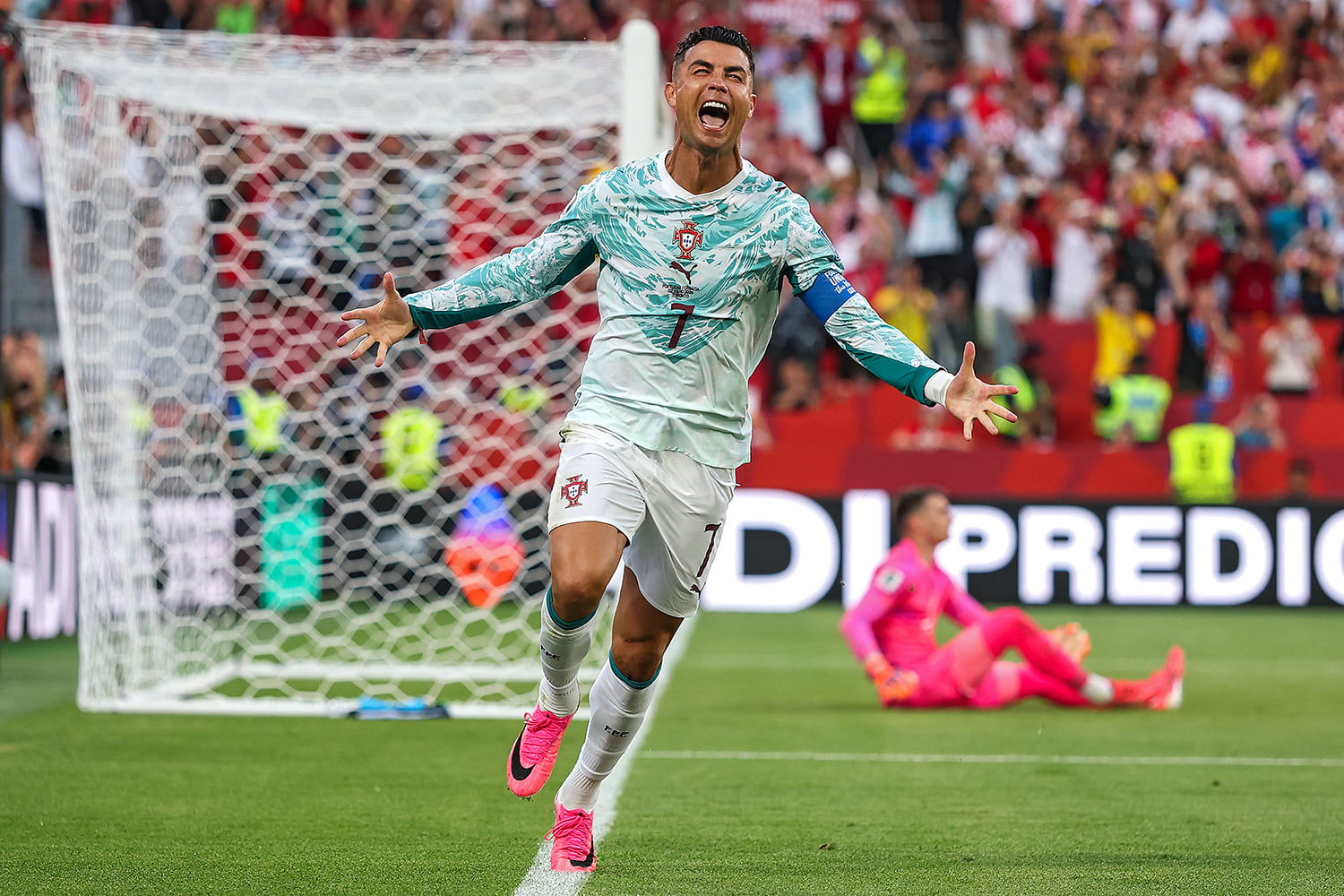
Lionel Messi’s return to Miami for Argentina’s exhibition match against Cape Verde serves as a stark reminder of how international football has traded its soul for South Florida real estate. While thousands of blue-and-white-clad supporters filled the streets of Fortune Metropolitan area to catch a glimpse of their aging icon, the event itself exposed the widening chasm between authentic fan culture and the ruthless commercialization of the sport. This was not a competitive fixture. It was a highly orchestrated corporate gala masquerading as a homecoming, designed to extract maximum revenue from a captive diaspora.
The phenomenon of staging international friendlies in the United States is nothing new, but the financial machinery driving this specific fixture reveals a deeper shift in how national teams operate.
The Sports Marketing Machine Exploiting Diaspora Loyalty
The promoters behind the match understood exactly which emotional levers to pull. South Florida boasts one of the highest concentrations of Argentine expatriates in the world, individuals who view the national team as a visceral connection to their homeland. By anchoring the event around Messi’s domestic base in Miami, organizers guaranteed a sold-out stadium regardless of the opponent.
Consider the mathematics of the ticket market for this fixture. Standard seats that would command modest prices in Buenos Aires or Praia were listed at exorbitant premiums on primary and secondary markets. The average working-class fan was effectively priced out, replaced by a affluent corporate crowd and affluent tourists. This displacement changes the very nature of stadium atmosphere. The traditional, rhythmic chanting that defines Argentine football culture was replaced by sporadic, smartphone-fueled cheers whenever Messi appeared on the big screen.
The choice of Cape Verde as an opponent also underscores the cynical logic of modern international scheduling. From a purely sporting perspective, a match against a team outside the elite tier of global football offers minimal competitive preparation for major tournaments. However, from a logistical and financial perspective, it represents the path of least resistance. The costs associated with securing a high-profile European or South American opponent would eat into the promoter's profit margins. Cape Verde serves as a cost-effective participant in a spectacle where the outcome is secondary to the gate receipts.
How Television Rights and Local Subsidies Dictate the Calendar
Behind the scenes, the arrangement of these matches involves a complex web of television networks, private equity groups, and local municipal agreements. The Argentine Football Association has increasingly externalized its touring operations to third-party marketing agencies. These agencies guarantee the federation a flat appearance fee, taking on the operational risk in exchange for pocketing the upside from ticket sales, local sponsorships, and regional broadcasting rights.
- Private promoters pay up to five million dollars upfront to secure the world champions.
- Municipalities offer tax breaks and subsidized security to attract the economic footprint of a Messi matchday.
- Broadcasters adjust kick-off times to suit prime-time windows in both South America and North American markets, ignoring the physical strain on the players.
This commercial prioritization creates an intense scheduling burden. Players are flown across continents for mid-week exhibitions, returning to their club teams exhausted. The risk of injury is shrugged off as a necessary cost of doing business. When a superstar player gets injured in a meaningless friendly, the club team bears the financial and competitive burden, while the national federation walks away with a filled bank account.
The Illusion of Accessibility in Major League Markets
The narrative promoted by local organizers is one of democratic access to greatness. They claim that bringing these matches to American soil allows a new generation of fans to witness history. The reality is far more restrictive. When a family of four must spend upward of a thousand dollars on tickets, parking, and concessions just to watch a sixty-minute cameo from a player in the twilight of his career, the event ceases to be a sport. It becomes a luxury luxury asset.
This monetization model is unsustainable in the long term. As fans begin to realize they are paying premium prices for what amounts to a glorified training session, spectator fatigue sets in. The initial novelty of seeing global superstars in suburban American stadiums is wearing off, leaving behind a cynical fan base that feels increasingly viewed as a demographic to be harvested rather than a community to be nurtured.
The Structural Degradation of International Friendlies
The broader casualty of this system is the integrity of international football itself. Friendlies used to serve a distinct purpose. They were laboratories where managers could test tactical variations, integrate youth prospects, and build team chemistry ahead of continental championships.
When a match is commodified to this extent, tactical experimentation goes out the window. Promoters often insert clauses into contracts requiring star players to log a minimum number of minutes, micro-managing the manager's tactical decisions from the boardroom. A coach cannot comfortably substitute his aging talisman at halftime to look at a promising twenty-year-old forward if doing so triggers a financial penalty from the event organizers. The sporting objective is thoroughly subjugated by the contractual obligation.
Furthermore, the gap between the elite federations and the rest of the world widens under this model. Wealthy federations can command multi-million dollar fees for playing in Miami, New York, or Riyadh, reinvesting that capital into their youth academies and infrastructure. Smaller federations are left to accept meager payouts to act as touring partners, reinforcing the financial hierarchy that keeps them at the periphery of the global game.
The scene in Miami was undoubtedly celebratory on the surface, filled with color, music, and the undeniable magic that Messi brings to any pitch he steps on. But beneath the euphoria lies a cold, corporate truth. The match was not a sporting event. It was a highly successful extraction of capital from a passionate community, executed by a system that knows the price of everything and the value of nothing. The fans left the stadium happy, their wallets lighter, while the architects of the match prepared to pack up the circus and move it to the next high-bidding city.