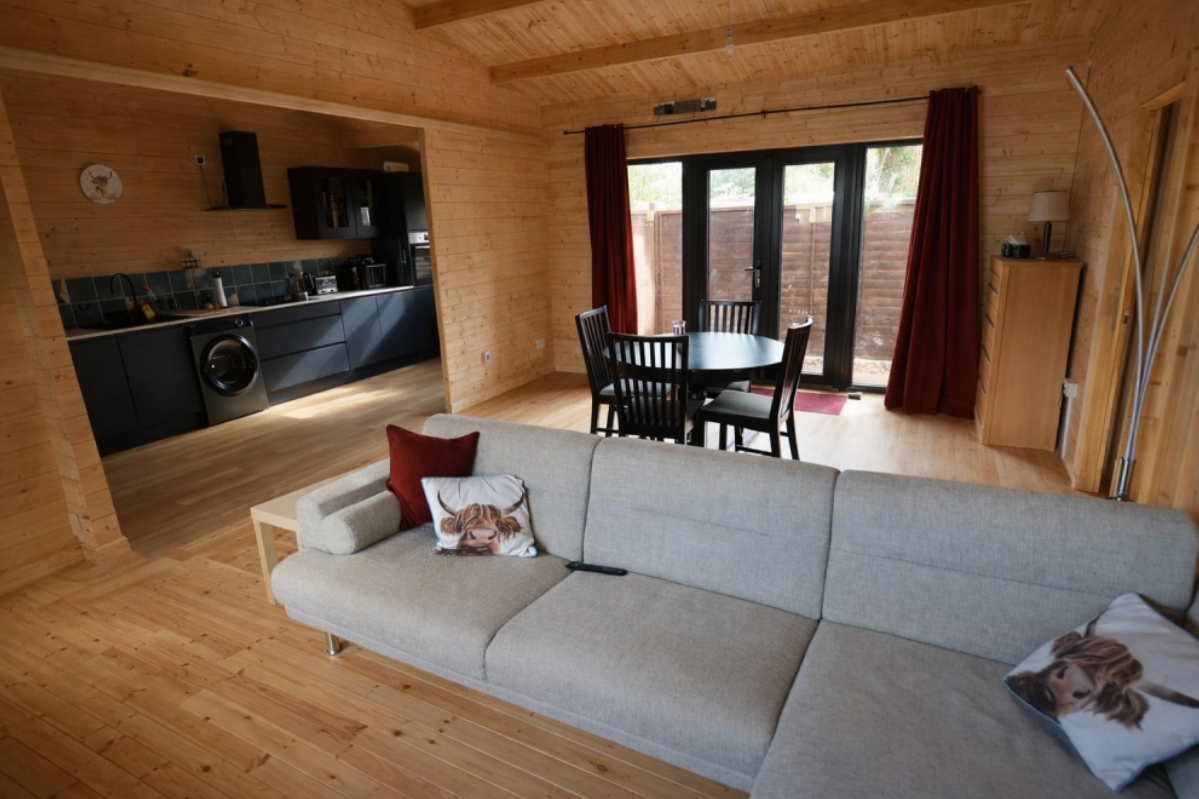
The era of the "all-inclusive" vacation rental is dead, and your wallet is the one paying for the funeral. What began as a desperate attempt by property owners to maintain profit margins in a high-inflation economy has evolved into a calculated industry shift known as the "stripped-back" listing. It is a quiet revolution. Travelers who once expected a home-away-from-home now find themselves standing in empty kitchens, staring at empty cupboards, and realizing that even the toilet paper has been commoditized. This isn't just a change in service; it is a fundamental restructuring of the hospitality contract.
Industry analysts are watching a massive pivot toward "essential-only" stays. On the surface, the logic is simple: lower the base price to rank higher in search algorithms, then claw back the difference through hidden fees or by forcing the guest to provide their own basic amenities. But beneath the marketing spin about "choice" and "flexibility," there is a grittier reality of surging operational costs and a platform-driven race to the bottom.
The Algorithmic Trap Driving the Race to the Bottom
The primary culprit isn't a sudden wave of stingy landlords. It is the math. Major booking platforms prioritize one metric above almost all others: the nightly rate. When a traveler filters for a coastal villa, the algorithm rewards the property that lists for $150 over the one listing for $180, even if the $180 property includes linens, towels, coffee, and cleaning.
Property managers have learned to "game" this system by unbundling. By removing the cost of professional laundry services, basic pantry staples, and toiletries from the initial price, they can lower their visible rate just enough to capture the booking. Once the traveler is committed, the "stripped-back" reality sets in. This is "junk fee" culture moving into the bedroom. It forces a psychological shift where the guest is no longer a guest, but a temporary tenant responsible for their own survival.
The Hidden Cost of the BYO Economy
When a host removes towels and bedsheets from a listing, they aren't just saving on laundry. They are transferring the logistical burden and the carbon footprint of the stay onto the traveler. Consider the physics of a family of four flying to a destination. If they must pack their own linens to avoid a $75 "linen hire" fee, they are likely paying for an extra checked bag. The airline wins. The host avoids a headache. The traveler loses twice.
This "BYO" (Bring Your Own) model is particularly prevalent in regional markets across Europe and Australia, where traditional "holiday lets" are being reclaimed by professional management firms. These firms operate on thin margins and high volume. To them, a bottle of olive oil or a box of tea bags represents a "leakage" in the budget. Across a portfolio of 50 properties, those small comforts add up to thousands of dollars in annual overhead. By cutting them, they simplify their supply chain and reduce the time required for a "turnover" clean.
The Professionalization of Hostility
We are witnessing the death of the "mom and pop" rental. In its place is a cold, corporate efficiency that views hospitality as a series of line items. This professionalization has introduced a paradox: properties look better than ever in photos—thanks to high-end staging—but function worse than ever in practice.
A "stripped-back" house often looks like a minimalist dream on a smartphone screen. The reality is a sterile environment where the absence of basic items feels like a penalty. You arrive at midnight to find there is no hand soap. There is no dish detergent. There is a single roll of the thinnest toilet paper imaginable. This is "calculated friction." The host knows you will eventually pay for the convenience or provide it yourself, and either way, their liability is reduced.
The Insurance and Liability Excuse
If you ask a property manager why the salt and pepper shakers have vanished, they will likely blame health and safety regulations or insurance liability. This is largely a convenient fiction. While there are some strict rules regarding open food containers in specific jurisdictions, the vast majority of these removals are purely fiscal decisions.
It is easier to tell a guest that "regulations prohibit" providing coffee than it is to admit that the housekeeping staff was spending too much time cleaning the espresso machine. By citing "safety," the industry creates a shield against complaints. It reframes a service cut as a protective measure for the consumer. It is a brilliant, if cynical, piece of corporate communication.
The Impact on Local Economies
The "stripped-back" trend has a secondary effect that rarely makes the headlines: the hollowing out of local grocery stores. In small vacation towns, the local supermarket becomes the de facto warehouse for every single traveler who discovers their rental is missing the basics. This leads to seasonal price gouging and stock shortages for the actual residents of those towns.
When a rental doesn't even provide a sponge to wash a plate, the guest must buy a pack of five. They use one and leave the rest behind, or throw them away. This creates an incredible amount of waste. The "minimalist" rental is, in reality, an environmental nightmare fueled by the constant purchase and disposal of small-format household goods by transient populations.
Navigating the New Landscape of Omission
For the traveler, the burden of due diligence has reached an all-time high. You can no longer trust that a "kitchen" includes the tools to cook a meal. You must read the fine print with a magnifying glass.
- Check the "Amenities" list for negatives. Look for what is explicitly excluded, rather than what is included.
- Search reviews for keywords like "empty," "basic," or "BYO." Former guests are the only ones who will tell you if the house is a shell.
- Query the host directly. Ask: "Is there a starter kit of essentials?" If the answer is no, you are looking at a stripped-back listing.
- Factor in the 'hidden' $100. Always assume you will spend at least $50-$100 on basic supplies within the first two hours of arrival. If the "stripped-back" house is only $30 cheaper than a full-service hotel, the hotel is the better deal.
The Luxury of the Inclusive Stay
As the middle market moves toward this bare-bones model, we are seeing the emergence of a new "luxury" tier. It isn't defined by gold faucets or silk sheets, but by the presence of things we used to take for granted. A house that comes stocked with milk, bread, and local butter is now a premium experience.
This bifurcation of the market means that true hospitality is becoming an "add-on." If you want to feel like a guest, you have to pay a surcharge. If you want the "base rate," you have to be prepared to work for it. The industry has effectively turned the vacation into a logistics exercise.
Why the Backlash is Inevitable
Markets tend to overcorrect. We are currently in the "overcorrection" phase of the short-term rental boom. Hosts are squeezing every cent, betting that travelers are so addicted to the "private home" experience that they will tolerate any level of inconvenience. They are wrong.
The rise of "stripped-back" listings is the greatest marketing gift the hotel industry has ever received. Hotels offer a predictable baseline of service. They provide the soap. They provide the towels. They don't ask you to strip the beds and start a load of laundry before you checkout at 10:00 AM while charging you a $200 cleaning fee. As the gap between rental "freedom" and rental "labor" narrows, the convenience of a hotel becomes increasingly attractive.
The Final Calculation
The "stripped-back" catch is a symptom of a maturing market that has run out of easy growth. To keep investors happy and properties profitable, the industry is eating its own tail. It is sacrificing the "guest experience" on the altar of the "listing price."
This trend will continue until the consumer revolt becomes a statistical reality. Until then, the onus is on the traveler to recognize that a low price is often just a down payment on a list of future errands. The "stripped-back" house isn't a bargain; it's a job. You are no longer paying for a holiday; you are paying for the privilege of managing a property that someone else owns.