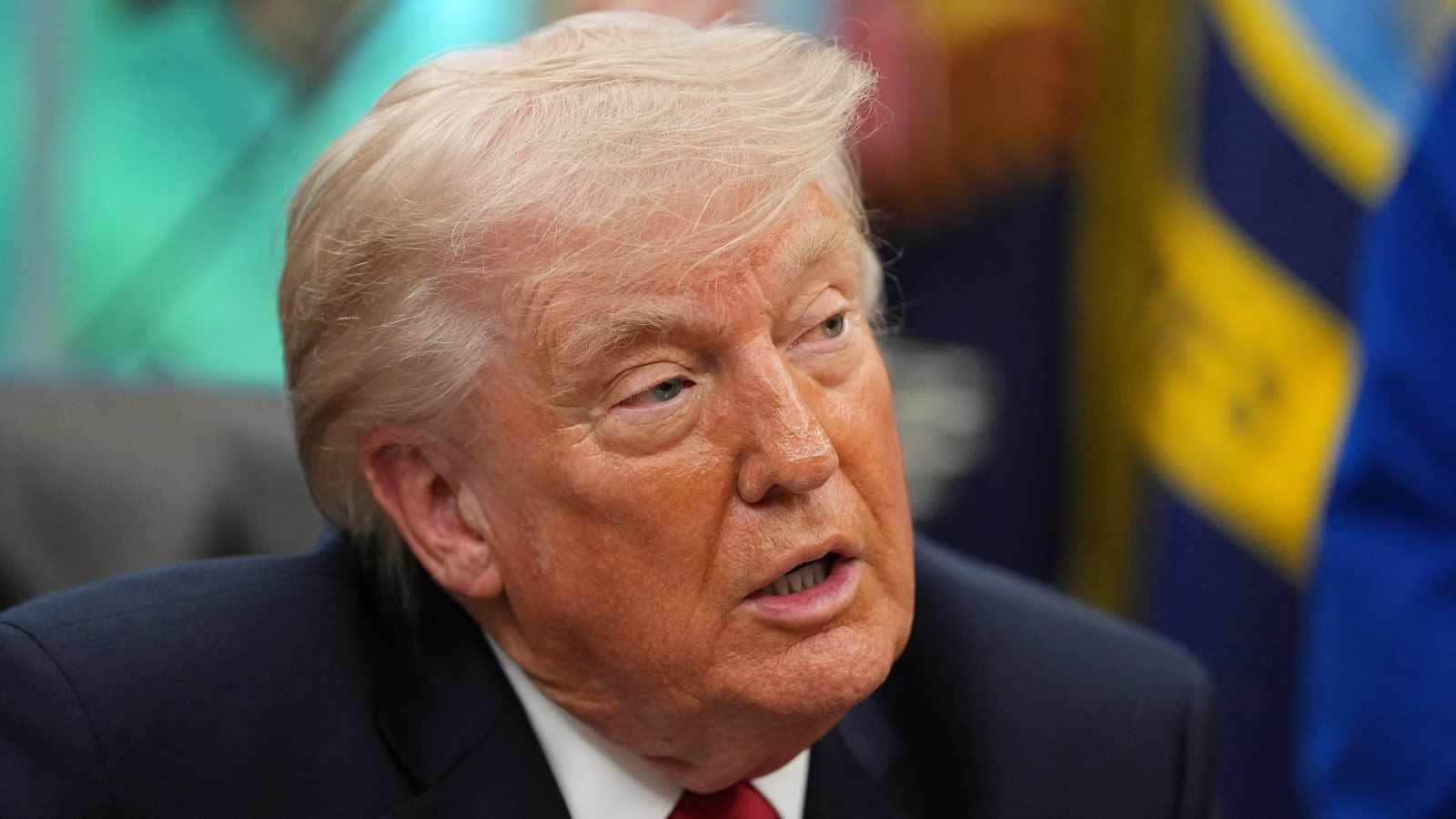
Donald Trump has effectively grounded the American diplomatic corps. By canceling the high-profile trip of Steve Witkoff and Jared Kushner to Islamabad, the President has signaled that the era of shuttle diplomacy is dead, replaced by a "telephonic" strategy that prioritizes American leverage over international ceremony. The official line from the White House is logistical convenience—avoiding 18-hour flights for a "piece of paper"—but the underlying reality is a calculated squeeze on an Iranian regime that is rapidly running out of air.
This pivot away from Pakistan-mediated face-to-face talks marks a sharp escalation in Trump’s "maximum pressure" sequel. While Pakistan remains a "terrific" mediator in the President’s words, the decision to pull back his envoys tells Tehran that the United States is done playing the role of the eager suitor. By demanding that Iran "just call," Trump is treating the potential peace deal not as a delicate diplomatic dance, but as an unconditional surrender dressed up in the language of a business merger. Learn more on a similar topic: this related article.
The Geography of Leverage
The decision to abandon the Islamabad summit isn't just about flight times. It is a recognition that the military and economic facts on the ground have shifted the gravity of the negotiations. Since the war began on February 28, the Iranian navy and air force have been decimated, and a tight American blockade has turned the country’s ports into bottlenecks of stagnant crude.
Washington knows that Iran’s oil storage is reaching a breaking point. Without the ability to export, and with the U.S. and Israel having already demonstrated their willingness to strike internal infrastructure, the regime is facing a collapse of its primary revenue stream. Trump’s abrupt cancellation of the Pakistan trip was met, within ten minutes, by a revised proposal from Tehran. That timing is no coincidence. It is the sound of a cornered opponent frantically trying to keep the phone line open. Additional reporting by USA Today delves into comparable perspectives on the subject.
The Pakistan Sidelining
Pakistan’s role as the go-between was always born of necessity. With U.S.-India relations in a tailspin due to trade tariffs and H1-B visa disputes, Islamabad seized the opportunity to regain its status as Washington’s indispensable regional partner. They have worked tirelessly to bridge the gap, but Trump’s "telephone" policy suggests that the middleman’s utility is nearing its expiration date.
The President’s logic is simple: if the Iranians are desperate enough to send "much better" papers within minutes of a canceled meeting, they are desperate enough to dial a Washington area code directly. By removing the physical venue of Pakistan, Trump removes the layer of diplomatic insulation that allowed Tehran to save face. He is forcing a direct, binary choice on the Iranian leadership: total nuclear capitulation or continued economic and military attrition.
The Red Line in the Sand
Despite the flurry of phone calls and "better" proposals, the fundamental rift remains the same. The U.S. demand is "zero enrichment." This is a non-negotiable threshold for an administration that views the 2015 nuclear deal as a historical failure. Iran, conversely, has spent decades framing its right to enrich as a matter of national sovereignty.
Secretary of State Marco Rubio has already poured cold water on the latest Iranian overtures, noting that the proposals still fail to address the core nuclear program and the control of the Strait of Hormuz. The U.S. isn't just looking for a ceasefire; they are looking to dismantle the Iranian nuclear apparatus entirely. Trump’s confidence stems from his belief that "we have all the cards," a phrase he has used repeatedly to justify the lack of traditional diplomatic engagement.
Strategic Impatience as a Tool
Traditional diplomacy is built on the idea that face-to-face contact builds trust. Trump is betting on the opposite: that distance and silence build anxiety. By staying in Washington and refusing to send his top negotiators to the region, he creates a vacuum that Tehran feels compelled to fill with concessions.
The risks, however, are significant. Diplomatic "telephone" is a dangerous game when the stakes involve the world’s energy arteries. Iran’s warning of a "strong response" to the naval blockade and their continued grip on proxy forces like Hezbollah suggest that while they are hurting, they are not yet paralyzed. Trump has threatened to "knock out every single power plant" if a deal isn't reached, a level of rhetorical escalation that leaves very little room for a graceful exit for either side.
The war that started in February has already reshaped the Middle East. The elimination of high-ranking Iranian officials and the systematic destruction of their military assets have given the U.S. a dominant hand. But a hand is only good if it can close the deal. By shifting to phone negotiations, Trump is betting that the regime will fold before the American public grows weary of another regional entanglement.
The phone is ringing in Tehran. Whether anyone is left with the authority to answer it on Trump’s terms is the question that will determine if this war ends at the negotiating table or in the total destruction of the Iranian state’s infrastructure. The President has made his move; the next ring is on them.