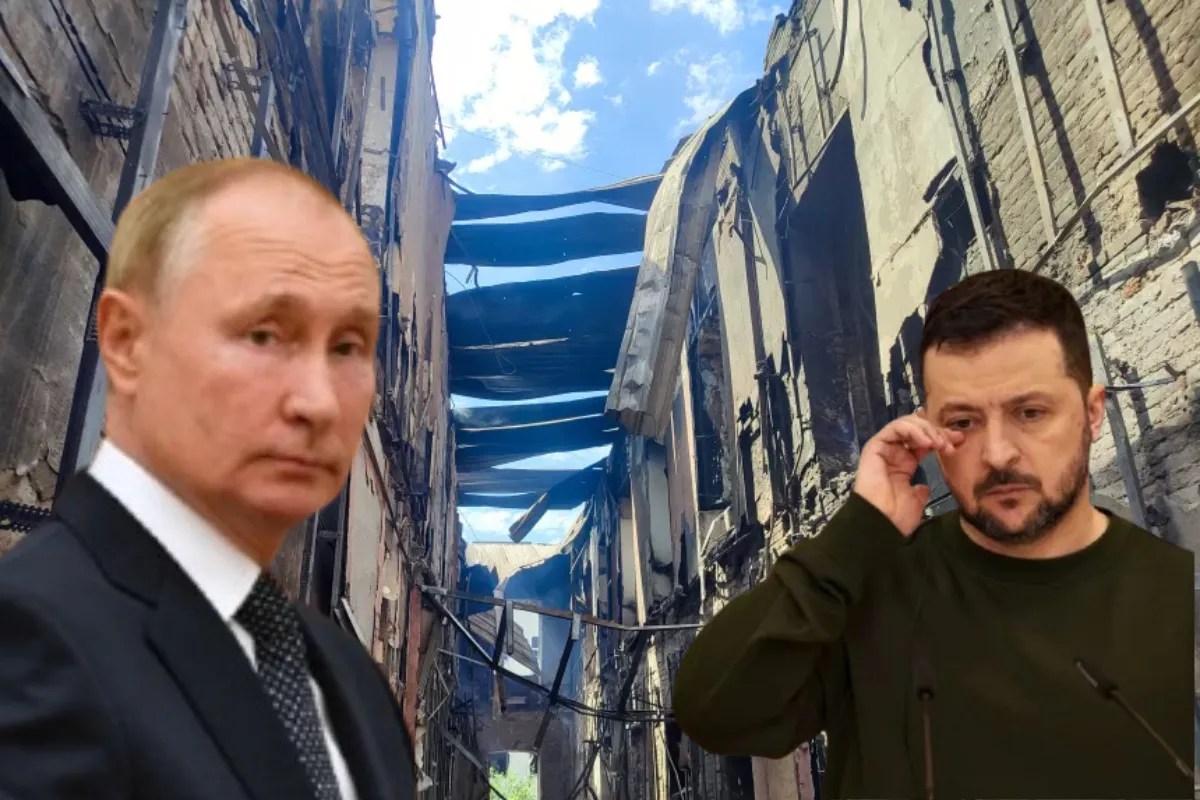
Ukraine is drowning in systemic debt that will take generations to clear. The current military conflict has accelerated an economic collapse that leaves every citizen carrying an unsustainable financial burden. While popular media focuses entirely on daily frontline shifts, the true destruction is happening on the balance sheets of international ministries and private Western funds. This is not a temporary wartime crunch. It is a permanent restructuring of a nation’s sovereignty through compound interest and fiscal subordination.
The numbers coming out of Kyiv are staggering. Total public debt has breached historic highs, pushing the per-capita burden past levels any developing economy can reasonably service.
The Mechanics of a Financial Trap
Wars are fought with blood, but they are funded with paper. When the current phase of the conflict escalated, Ukraine’s tax base instantly evaporated. Major industrial centers in the east were captured or destroyed. Millions of citizens fled the country, taking their purchasing power and income tax contributions with them.
To keep the lights on, the government did what all desperate states do. It borrowed.
Ukrainian Sovereign Debt Composition (Estimated Allocations)
┌─────────────────────────────────────────────────────────┐
│ International Monetary Fund (IMF)     ■■■■■■■■■■ 35%    │
│ Foreign Governments (US/EU Bilateral) ■■■■■■■■   28%    │
│ Private Eurobond Holders              ■■■■■■     22%    │
│ Domestic Treasury Bonds               ■■■■       15%    │
└─────────────────────────────────────────────────────────┘
The aid packages announced by Western capitals are rarely outright gifts. A significant portion arrives as loans that carry strict repayment schedules. Even the highly publicized financial lifelines from multinational lenders come with strings attached. These entities are not charities. They expect their capital back, with interest, regardless of where the physical borders of Ukraine sit when the guns fall silent.
Private creditors hold a massive piece of this debt puzzle. Foreign investment firms and hedge funds snapped up Ukrainian Eurobonds years ago. When the war started, these institutions agreed to a temporary freeze on payments. That moratorium was a stay of execution, not a pardon.
The bills are now coming due. The country faces the impossible task of negotiating write-downs with Wall Street firms that are legally obligated to maximize returns for their own investors.
The Illusion of Foreign Generosity
Western political rhetoric frames financial assistance as a united front for freedom. The reality on the ledger tells a different story.
Bilateral loans from foreign governments often require Ukraine to spend the money purchasing goods or services from the donor nation. This creates a circular economic loop where capital never actually enters the domestic Ukrainian economy. Instead, it subsidizes Western defense contractors and agricultural conglomerates while leaving the Ukrainian taxpayer with the ultimate bill.
Consider the structural demands imposed by international financial institutions. To qualify for continued funding tranches, Kyiv must implement severe austerity measures.
- Slashing public subsidies for domestic energy consumption.
- Deregulating labor markets to attract high-risk foreign capital.
- Selling off state-owned enterprises at fire-sale valuations during an active conflict.
These policies hollow out the middle class. They ensure that any wealth generated during a future reconstruction period will immediately exit the country to satisfy external creditors. The sovereign state becomes a administrative shell designed to collect taxes and export them to Washington, London, and Brussels.
Generation Alpha Inherits the Bill
The timeline for repayment stretches far into the middle of this century. Children born today in Kyiv or Lviv are entering the world with a legacy of negative net worth.
This structural debt load triggers a catastrophic feedback loop. To service the interest on existing loans, the government must raise taxes on the remaining domestic population. High taxes discourage local entrepreneurship and drive foreign direct investment away. Capable professionals look at their diminished take-home pay and choose to emigrate, further shrinking the tax base.
The Sovereign Debt Chokehold
┌─────────────────────────────────────────────────────────┐
│  Tax Base Shrinks  ──>  Tax Rates Rise  ──> Emigration  │
│         ▲                                         │     │
│         └───────  Debt Service Consumes  ─────────┘     │
│                   Public Infrastructure                 │
└─────────────────────────────────────────────────────────┘
What remains is a depleted demographic profile. The workforce of the 2030s and 2040s will be smaller, older, and heavily burdened by the cost of medical care for veterans and conflict survivors.
Infrastructure repair costs are estimated in the hundreds of billions. Roads, bridges, electrical grids, and ports cannot be rebuilt using debt that carries commercial interest rates without triggering immediate sovereign default. The math simply does not work.
The Myth of Assets Seizure as a Salvation
A popular talking point among Western analysts is the plan to confiscate frozen Russian central bank assets to pay for Ukraine's defense and reconstruction. This is a legal and financial fantasy.
Central banks around the world view the immunity of sovereign reserves as a foundational pillar of global finance. If Western nations permanently seize Russian funds, they set a precedent that threatens the entire Eurodollar system. Nations like China, Saudi Arabia, and India will immediately look for alternatives to Western banking infrastructure to protect their own wealth from future political seizures.
The European Central Bank knows this. It has consistently pushed back against outright confiscation, offering instead to use only the interest generated by those frozen assets.
That interest is a drop in the ocean. A few billion dollars a year cannot cover the monthly operational deficit of a state at war, let alone pay down a mountain of principal debt that grows larger with every passing week.
The Inevitability of Hard Haircuts
The current fiscal trajectory leads toward a massive, unavoidable default. Private creditors will eventually be forced to accept deep write-downs on their investments.
These financial institutions will fight tooth and nail to delay that moment. They prefer to extend maturities and provide new loans to pay off old ones, keeping the asset performing on their books while the underlying economy rots. This process turns the country into a financial zombie, alive enough to transfer wealth upward but dead enough to prevent any real sovereign independence.
True economic recovery requires a total liquidation of wartime debt. History shows that nations cannot rebuild under the weight of foreign extraction. The post-war reconstruction of Western Europe succeeded because the United States provided grants, not predatory loans, and chose to forgive substantial portions of wartime liabilities.
Currently, no such magnanimity exists for Ukraine. The modern global financial system is far more financialized, ruthless, and legally insulated than it was in 1945.
Every dollar shipped to Kyiv right now adds a link to a chain that will bind the nation for decades. The geopolitical struggle on the ground is visible and loud. The financial enclosure of the state is quiet, bloodless, and absolute.