The United States and Iran are locked in a high-stakes diplomatic standoff that could either end a devastating military conflict or ignite an even larger regional war. US Secretary of State Marco Rubio announced there are "some good signs" in ongoing negotiations mediated by Pakistan. However, a deeper investigation reveals that these talks are teetering on the edge of collapse. The primary obstacle is an unyielding dispute over the Strait of Hormuz, where Iran wants to impose a tolling system on commercial vessels—a demand the US has declared entirely unacceptable.
While the public face of American diplomacy projects cautious optimism, the reality inside the administration is fractured. The conflict, which began on February 28 with heavy US and Israeli strikes against Iranian military assets, has severely disrupted global energy markets and triggered a naval blockade. Now, behind closed doors in Washington and Islamabad, officials are debating whether to accept a highly controversial compromise or unleash a massive military assault.
The Secret Tollway in the Strait of Hormuz
The current diplomatic impasse does not stem from traditional nuclear disagreements. It revolves around the world's most critical maritime chokepoint.
Following the initial US and Israeli strikes, Tehran retaliated by effectively shutting down the Strait of Hormuz, a narrow waterway responsible for the passage of one-fifth of global oil exports. While an April 8 ceasefire halted direct bombardment, Iran has refused to restore normal shipping operations unless it receives the right to charge commercial vessels a transit tariff.
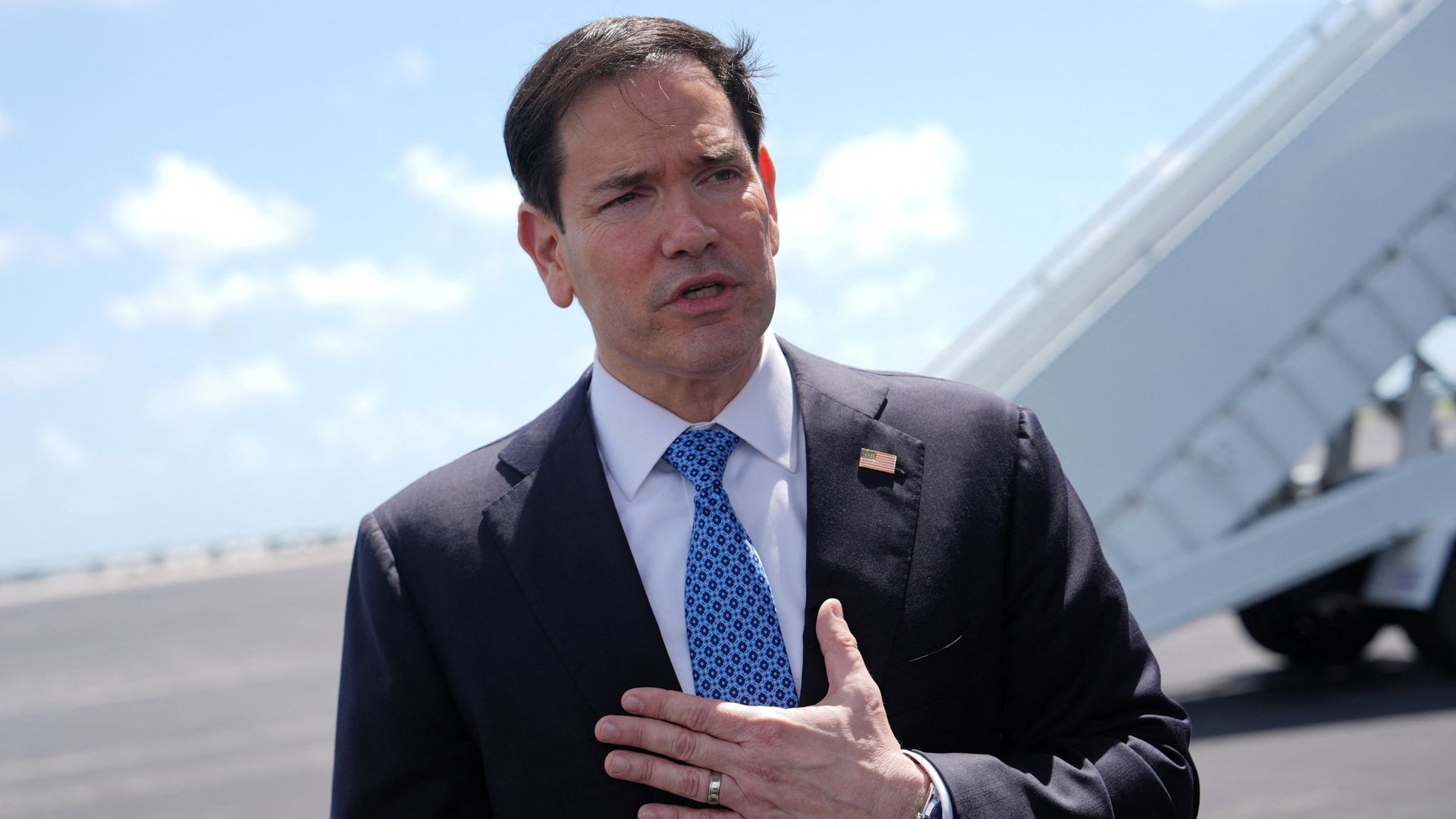
Speaking to reporters before boarding a flight to meet with NATO foreign ministers, Secretary Rubio drew a hard line against this economic extortion. He stated that no nation supports the tolling system and characterized the plan as completely illegal. Rubio explicitly warned that if Tehran continues to pursue the tariff, a diplomatic deal will become unfeasible.
For Iran, the tolling system is not just about revenue. It is an assertion of sovereignty over a waterway it feels a right to control after its navy and air force suffered extensive damage from American strikes. For the international community, allowing a single nation to tax global commerce sets a catastrophic precedent. Shipping conglomerates are already warning that permanently higher transit fees in the Persian Gulf will drive up global inflation and disrupt supply chains for years.
The White House Clashes
The public messaging from the State Department suggests a unified American front. The internal reality is a fierce policy debate dividing the highest levels of the US government.
A contentious White House meeting exposed deep divisions regarding how to handle Iran's latest proposal. Vice President JD Vance, supported by special envoys Jared Kushner and Steve Witkoff, argued for flexibility. The Vance faction believes Iran's willingness to negotiate shows a clear path toward a permanent ceasefire and an end to the fighting.
On the other side of the aisle, Secretary of State Rubio and Secretary of War Pete Hegseth are pushing back. They argue that granting concessions to Tehran without maintaining intense pressure will only embolden the regime. They point to intelligence showing that China and Russia have helped Iran recover its military capabilities faster than Western intelligence community models predicted, allowing the country to resume drone production despite heavy bombardment.
President Donald Trump remains caught in the middle. While his stated preference is to secure a deal and avoid prolonged military entanglements, he has simultaneously authorized plans for a massive alternative if negotiations fail. The president recently warned on social media that the US military is prepared to launch a full, large-scale assault on Iran at a moment's notice if an acceptable agreement is not reached.
The Pakistani Mediation and the $25 Billion Offer
With direct communications severed, Pakistan has emerged as the critical intermediary trying to prevent total war. Pakistani Army Chief Asim Munir and Interior Minister Syed Mohsen Naqvi have made consecutive high-profile visits to Tehran to salvage the peace process.
The Proposed US Offer
The intermediaries are working with a complex framework aimed at dismantling the crisis through a series of phased concessions. According to regional diplomatic sources, the United States has floated a substantial package to test Iran's flexibility.
- Financial Inducements: Releasing roughly 25% of Iran's frozen assets, amounting to approximately $25 billion.
- Energy Concessions: Granting a temporary 30-day exemption for Iranian oil sales to stabilize the country's immediate economic collapse.
- Nuclear Restrictions: Requiring Iran to ship 400 kilograms of highly enriched uranium to a third country and strictly adhere to a 3.67% enrichment limit.
- Maritime Reopening: Lifting the US blockade on Iranian ports in exchange for a full reopening of the Strait of Hormuz without discriminatory tolls.
The Stumbling Blocks
Despite the scale of this proposal, the underlying mechanics are highly unstable. Iranian hardliners are strongly resisting the nuclear components. Reports out of Tehran indicate the regime has decided to keep its highly enriched uranium within its own borders, directly defying a core American demand.
Furthermore, Iran's Islamic Revolutionary Guard Corps (IRGC) has issued explicit counter-threats. Guard commanders warned that if the US resumes strikes or launches a large-scale assault, they will extend the war far beyond the borders of the Middle East. This implies potential asymmetric attacks on global energy infrastructure, cyber warfare, or targeting US assets across Europe and Asia.
The Cost of the Stalemate
Every day the negotiations drag on, the economic toll intensifies. The blockade and the closure of the Strait of Hormuz have sent global energy prices soaring, heavily impacting government borrowing costs and consumer prices worldwide.
The US military has already deployed more than 15,000 personnel, over 100 aircraft, and multiple guided-missile destroyers to the region under Project Freedom—a mission designed to protect international shipping and rescue thousands of civilian crew members trapped in the Persian Gulf. Yet, military protection cannot replace a legal and open shipping lane.
The diplomatic track is moving toward a decisive bottleneck. Washington wants a total capitulation on the tolling issue and verifiable limits on Iran's nuclear material. Tehran wants financial survival and recognition of its maritime authority without appearing to surrender to Western pressure. If the Pakistani delegation cannot bridge this immense gap within days, the current truce will dissolve, leaving the military to execute the alternative options Rubio refused to elaborate on.