J.D. Vance standing in Budapest, a cell phone pressed to a microphone to broadcast Donald Trump’s voice to a crowd of cheering Fidesz supporters, is not just a campaign stop. It is the demolition of a century-old American soft-power playbook. On Tuesday, the U.S. Vice President accused the European Union of "disgraceful" interference in Hungary’s upcoming election, effectively positioning the White House as the primary defender of Viktor Orbán’s sixteen-year tenure. This move transforms a local Central European vote into a proxy war between the populist right in Washington and the institutionalist core of Brussels.
The primary objective of Vance’s visit was clear: bolster a wobbling ally. For the first time in nearly two decades, Orbán faces a credible threat in Péter Magyar and his centre-right Tisza party. By framing the EU’s withholding of funds and its criticism of Hungarian rule-of-law as "economic destruction," Vance is attempting to provide Orbán with the "foreign meddling" narrative necessary to galvanize a weary domestic base.
The Architecture of Intervention
The traditional American approach to foreign elections was once defined by a cautious, if sometimes hypocritical, veneer of neutrality. Vance has replaced that veneer with a sledgehammer. His rhetoric in Budapest didn't merely support a partner; it actively attacked the very structures—the EU and NATO's European core—that have underpinned the Transatlantic alliance since 1945.
Vance’s allegations center on the idea that "Brussels bureaucrats" are trying to crush the Hungarian economy because they "hate" Orbán. This is a deliberate simplification of a complex legal and financial standoff. The EU has frozen billions in Hungarian funding, but the stated reasons are concrete: persistent issues with high-level political corruption, the erosion of judicial independence, and a media environment almost entirely under the thumb of the ruling party.
By dismissing these concerns as mere personal spite, Vance is signaling to other European nations that a future Trump-Vance administration will not just tolerate "illiberal democracy"—it will actively protect it from regional oversight.
Sovereignty as a One Way Street
There is a profound irony in a foreign Vice President appearing at a rally to denounce "foreign interference." While Vance spent Tuesday railing against the EU’s influence, his own presence was the most visible form of external pressure the Hungarian election has seen this cycle.
Péter Magyar, the challenger currently leading in several independent polls, was quick to point this out. He noted that Hungarian history should be written in the squares of Budapest, not in Washington or Moscow. Vance’s counter-argument is that the U.S. and Hungary share a "moral cooperation" that transcends traditional diplomatic boundaries. This brand of "sovereigntist internationalism" is a paradox. It seeks a global alliance of leaders whose primary platform is the rejection of global alliances.
The Energy and Ukraine Pivot
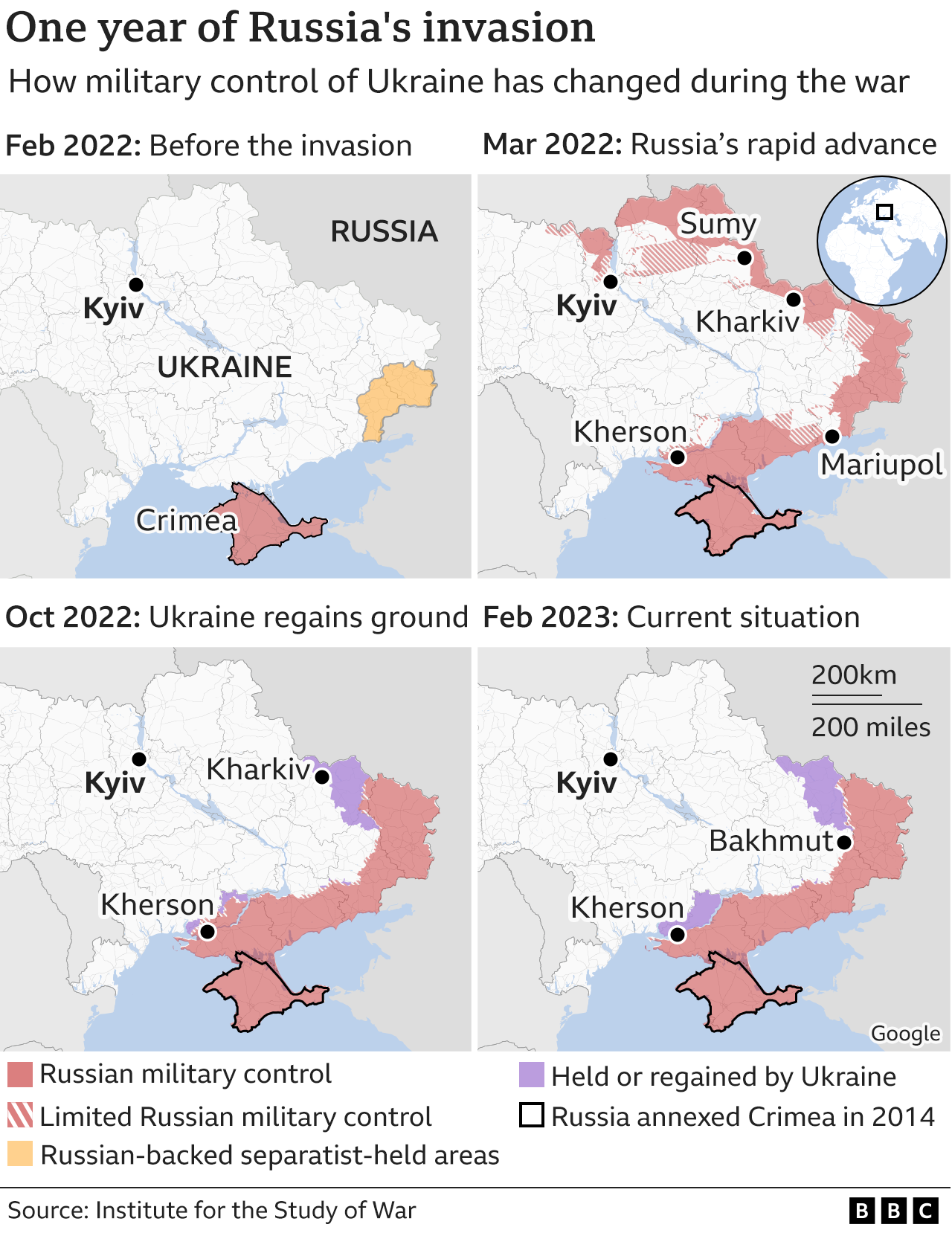
Beyond the rhetoric of "Western civilization," the Budapest visit touched on two high-stakes technical areas: energy independence and the war in Ukraine.
- Energy: Vance praised Orbán for maintaining ties with "the East" (Russia), arguing that cutting off Russian oil and gas was a "huge mistake" for Europe. This directly contradicts the official U.S. policy of the last decade, which has spent billions to help Europe diversify away from Gazprom.
- Ukraine: The Vice President went as far as to allege that "elements within Ukrainian intelligence" are trying to influence both U.S. and Hungarian elections. He offered no evidence for this claim, but it serves a dual purpose: it justifies Orbán’s refusal to send weapons to Kyiv and prepares the ground for a radical shift in U.S. support for Ukraine if the current administration remains in power.
The Erosion of the Buffer Zone
For decades, Central Europe was viewed by Washington as a buffer against Russian influence. Under the current trajectory, that buffer is being repurposed. Instead of a shield, Hungary is being treated as a laboratory for a specific brand of right-wing governance that the MAGA movement hopes to mirror at home.
Vance’s speech wasn't just for the thousand people in the room in Budapest. It was a message to the Republican base in the United States. He is holding up Hungary as a model where "faceless bureaucrats" and "progressive censors" have been successfully fought off. The fact that this "success" has come at the cost of Hungary becoming the most corrupt nation in the EU, according to Transparency International, is a detail the Vice President chose to ignore.
The Risks of a Failed Gamble
Politically, Vance’s visit is a high-risk maneuver. If Orbán loses on Sunday, the U.S. administration will have tied its prestige to a fallen leader and alienated a potential new government in a strategic NATO member state. Orbán himself seemed to recognize the precariousness of his position. During a joint press conference, when Vance predicted a certain victory, the Prime Minister notably winced and gestured that the outcome was far from guaranteed.
The EU has responded to the "meddling" charges with uncharacteristic brevity, stating simply that "elections are the sole choice of the citizens." However, behind the scenes, the tension is at a breaking point. If the U.S. continues to use its executive power to undermine the collective decisions of the European bloc, the very concept of a "unified West" may be the first casualty.
Governments across the continent are watching Budapest not just to see who wins the Hungarian premiership, but to see if the U.S. is truly ready to abandon its role as the stabilizer of the European order in favor of being an insurgent force within it. The path from here leads either to a radical realignment of Western power or a deep, potentially permanent, diplomatic schism. Owners of the "Golden Age" in U.S.-Hungary relations may find that their investment is built on the shifting sands of a single Sunday vote.