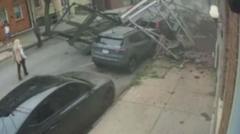
Buildings don't just collapse on a random Tuesday for no reason. When a structure goes down, people act shocked. They point cameras. They ask how it happened. But engineers aren't surprised. Structural failure leaves a trail long before the dust settles.
Take the recent sudden collapse of an empty building in New York. Dust filled the sky. Sirens wailed. Emergency crews rushed to the scene. Everyone wanted to know how an urban structure simply pancaked into the street.
Buildings talk before they break. We just ignore the noise.
The Reality Behind Sudden Urban Collapses
Old infrastructure is ticking away. We push buildings past their design limits. We ignore decades of water damage. Then we act surprised when gravity wins.
Cities are full of ghosts. Structures built a century ago now sit next to heavy modern construction. Excavation shakes foundations. Groundwater shifts. Materials degrade.
It is easy to blame bad luck. Bad maintenance is the real culprit. Property owners skip inspections. Cities lack inspectors. Corners get cut during minor renovations.
What Actually Goes Wrong Inside the Walls
Masonry crumbles. Steel rusts. Wood rots quietly out of sight.
When moisture gets inside brick facades, winter freeze-thaw cycles break the bonds. Bricks turn to powder. Steel support beams lose their structural integrity through oxidation.
You cannot spot these issues from the sidewalk. You need thermal imaging. You need ground-penetrating radar. You need people willing to drill into walls and look at the skeleton.
Most owners wait for a crack to appear. By then, it is too late. A visible crack means the load path has already shifted.
How to Spot Warning Signs Before Disaster Strikes
Look up. Watch for sagging lintels over windows. Check for leaning parapets. Notice if water pools against the foundation after rain.
If you live or work near aging architecture, pay attention to doors and windows that suddenly stick. That is not the humidity. That is the frame shifting under heavy loads.
Report it. Don't assume someone else is watching. Municipal departments rely on tenant complaints because they do not have the manpower to check every brick.
Fix the roof first. Water destroys more buildings than earthquakes do. Keep the water out, and the structure stands. Let it in, and the countdown starts.
Check your local municipal database for building violations. Knowledge is your best defense against bad engineering.

/GettyImages-157526585-93425538070d4422ad42d22af28c0758.jpg)
