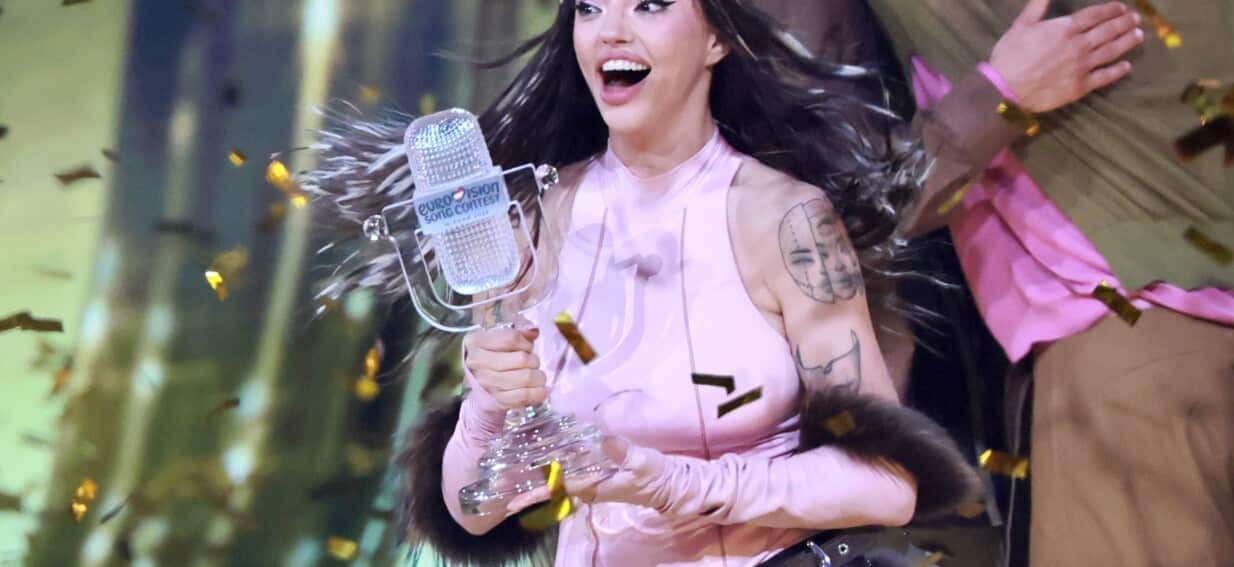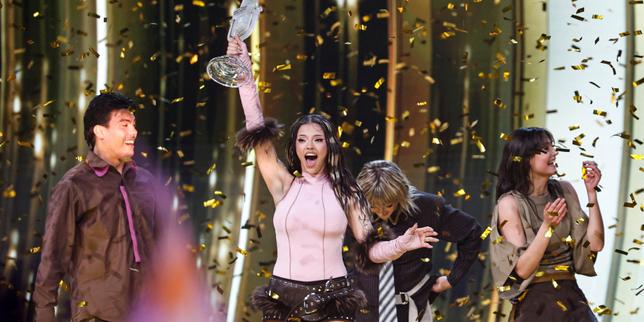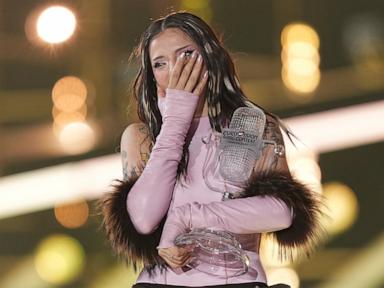
We just witnessed history in Vienna, and frankly, the betting markets are in shambles. The 70th Eurovision Song Contest wrapped up at the Wiener Stadthalle with a result that left oddsmakers staring blankly at their screens. Bulgaria took home its first-ever victory.
Darina Yotova, known globally by her stage name DARA, didn't just win. She absolutely dominated the competition with her track "Bangaranga," scoring a massive 516 points. It was an absolute rout, leaving second-place Israel (343 points) and third-place Romania (296 points) trailing far behind in the dust.
If you're wondering how an underdog country returning from a three-year hiatus managed to pull off the biggest winning margin in Eurovision history, you aren't alone. It boils down to a perfect storm of cultural authenticity, smart tactical changes by the European Broadcasting Union (EBU), and an infectious hook that refused to leave anyone's head.
How Bangaranga Conquered the Juries and the Public
Eurovision wins usually split the room. We're used to seeing the national juries praise a polished vocal ballad while the public televote goes feral for a chaotic metal band or a joke entry. This year broke the mold. "Bangaranga" is the first song since 2017 to win both the jury vote (204 points) and the public vote (312 points).
The song itself sounds like three different club anthems colliding in a venue toilet, but it works beautifully. Written by a powerhouse team including Dara, Anne Judith Wik, Dimitris Kontopoulos, and Monoir, the track relies on a relentless, thumping electronic beat paired with the defiant refrain, "Welcome to the riot."
Historically, juries penalize pure club tracks. They look for vocal gymnastics and traditional songwriting structures. But Dara's vocal precision during a highly demanding, high-energy routine choreographed by Fredrik Rydman forced the juries to pay attention. They couldn't dismiss it as just another party record.
The Folklore Secret Weapon
Western audiences might just hear a catchy summer club track, but "Bangaranga" has deep cultural roots. Dara calls the track "pop music with folklore bones." The song draws heavily on the ancient Bulgarian Kukeri tradition, a spiritual cleansing ritual where participants wear heavy fur costumes, intense animal masks, and massive bells to frighten away evil entities.
When Dara shouts about dropping the mask of chasing perfection, she's tying modern mental health struggles and anxiety straight back to these centuries-old rituals. It gave the staging a visual and sonic texture that felt grounded and visceral, a sharp contrast to some of the sterile, overly digital pop acts in the lineup.
Geopolitics, Boycotts, and the Rule Change That Altered the Vote
You can't talk about Eurovision 2026 without talking about the heavy political shadow over the Wiener Stadthalle. This anniversary edition saw the biggest boycott since 1970. Five prominent countries—Spain, the Netherlands, Ireland, Iceland, and Slovenia—completely pulled out of the competition months ago in protest of Israel's inclusion amidst the Gaza conflict.
The political tension directly influenced the leaderboard. Last year in Basel, Israel's massive push on social media channels helped secure a dominant public vote. This year, the EBU stepped in with a massive rule change to neutralize organized block-voting.
Fans were restricted to casting 10 individual votes, down from the traditional 20. The impact was immediate. While Israeli singer Noam Bettan delivered a strong performance with his trilingual ballad "Michelle" to finish second, the vote capping prevented a runaway public voting spike.
The UK's entry, Look Mum No Computer, provided the night's other predictable outcome. Embracing the grand British tradition of staging malfunctions and questionable novelty concepts, the track "Eins, Zwei, Drei" finished dead last, securing exactly one point from the public.
What Bulgaria 2027 Means for the Contest
Bulgarian broadcaster BNT is now tasked with hosting the 71st edition of the contest in 2027. For the EBU, this brings massive logistical relief. An Israeli win would have triggered a logistical and security nightmare regarding where to host next year's event.
Instead, the circus is heading to Sofia. If you want to understand the musical direction the contest is moving toward, look no further than the top of the leaderboard. Europe is tired of over-engineered, safe pop. The entries that thrived this year—including Romania's raw rock track "Choke Me" in third and Australia's atmospheric "Eclipse" by Delta Goodrem in fourth—all had a distinct edge.
If you want to replicate Dara's success, stop trying to write a generic "Eurovision song." The era of building a track based on what you think a French jury or a Swedish televoter wants to hear is officially over. Lean into localized sounds, weird historical subtext, and absolute chaotic energy.
For a complete look at how the madness unfolded live on stage, check out the Eurovision Grand Final Broadcast to see Dara's winning performance and the rest of the evening's wildest acts. This video captures the full energy of the Wiener Stadthalle and shows exactly why the ancient Kukeri beats resonated so deeply with millions of viewers worldwide.