Geopolitics usually moves at the speed of an glacier. Right now, the economic math between New Delhi and Ottawa is shifting fast.
Indian Commerce and Industry Minister Piyush Goyal landed in Canada this week with an entourage of around 150 business leaders. It is the largest trade delegation India has ever sent abroad. Let that sink in. A little over a year ago, a diplomatic deep freeze made this kind of trip unthinkable. Now, Indian executives are packing boardrooms in Ottawa and Toronto.
The immediate goal is obvious. Both sides want to build a bridge over the wreckage of past diplomatic spats. Canadian Prime Minister Mark Carney kicked off this reset with a high-stakes trip to India back in March. Goyal is in town to turn that political goodwill into actual cash flow. They have set an ambitious target of hitting $70 billion in bilateral trade by 2030, a massive jump from current levels.
But if you think this is just about selling more Canadian lentils or shipping more Indian software, you're missing the real blueprint. This isn't a standard corporate handshake. It's a calculated attempt by two completely different economies to solve each other's deepest vulnerabilities.
The Geopolitical Realignment Driving the Dollars
To understand why this is happening now, look at the map. Under Prime Minister Mark Carney, Canada is actively looking to diversify its trading portfolio. Relying almost entirely on the United States has become a strategic bottleneck for Ottawa. With shifting trade policies and tariff threats south of the border, Canada needs new, massive markets.
India fits the bill perfectly. It is the world’s most populous democracy and the fastest-growing major economy. On the flip side, New Delhi is hungry for resources to fuel its massive industrial expansion.
The strategy centers on the proposed Comprehensive Economic Partnership Agreement (CEPA). Negotiators are currently grinding through rounds of talks in Ottawa, trying to wrap up a deal by the end of 2026. The shift in tone since Carney took office is palpable. Rather than rehashing old political grievances, the focus has shifted entirely to hard economic realities.
The Critical Mineral and Energy Play
India's manufacturing ambitions are massive, but its local supply of raw materials isn't. The country needs steady access to the building blocks of the modern economy. This is where Canada’s resource wealth comes into play.
During Carney's March visit, the two nations signed a $2.6 billion commercial agreement for Cameco to supply uranium to India's Department of Atomic Energy. This isn't just a transactional purchase; it provides a foundational pillar for India's civil nuclear energy goals and long-term energy security.
Beyond uranium, the real prize lies in critical minerals. Think lithium, cobalt, and nickel—the elements required for electric vehicle batteries and clean technology. India has formally endorsed the G7 Critical Minerals Action Plan, aligning itself with Canada's supply chain standards.
- Uranium Supply: The $2.6 billion Cameco deal stabilizes fuel sources for clean energy infrastructure.
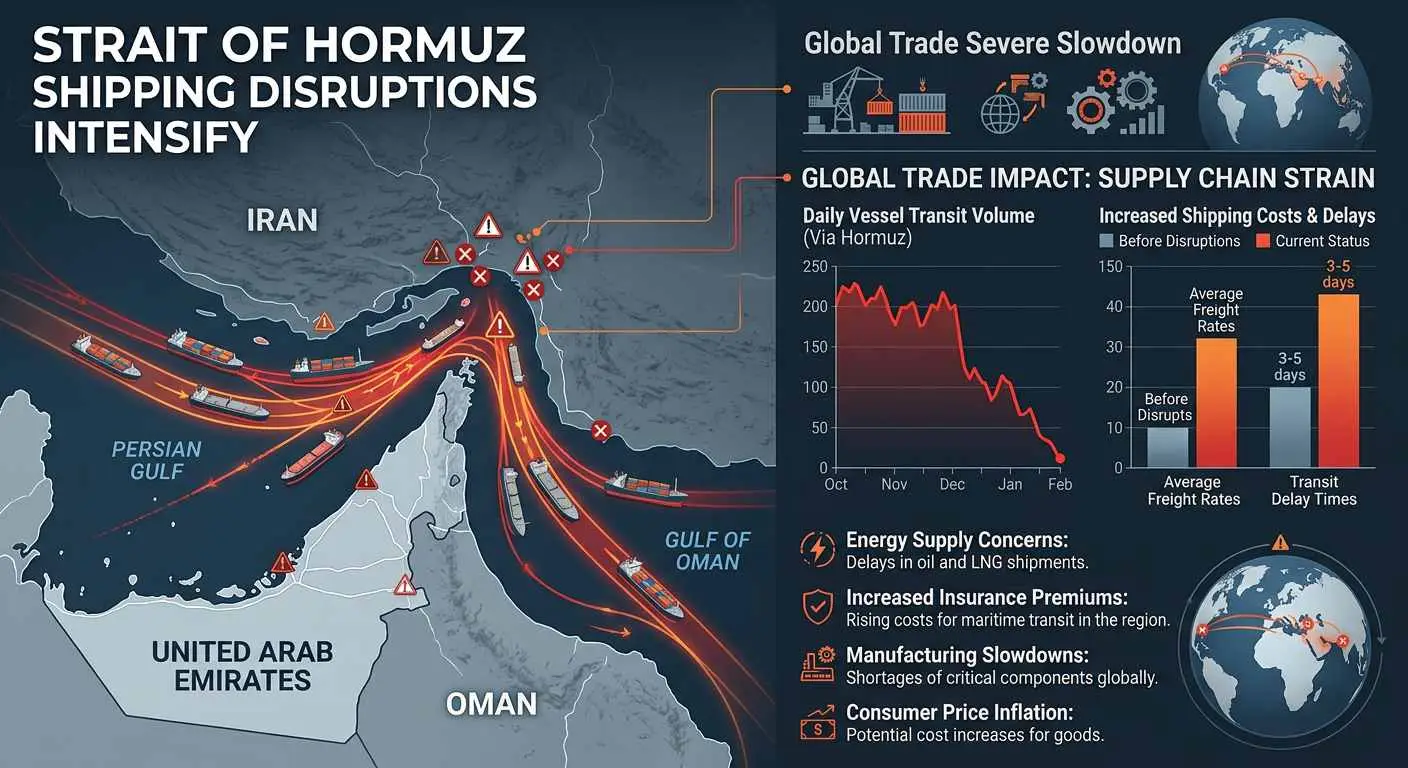
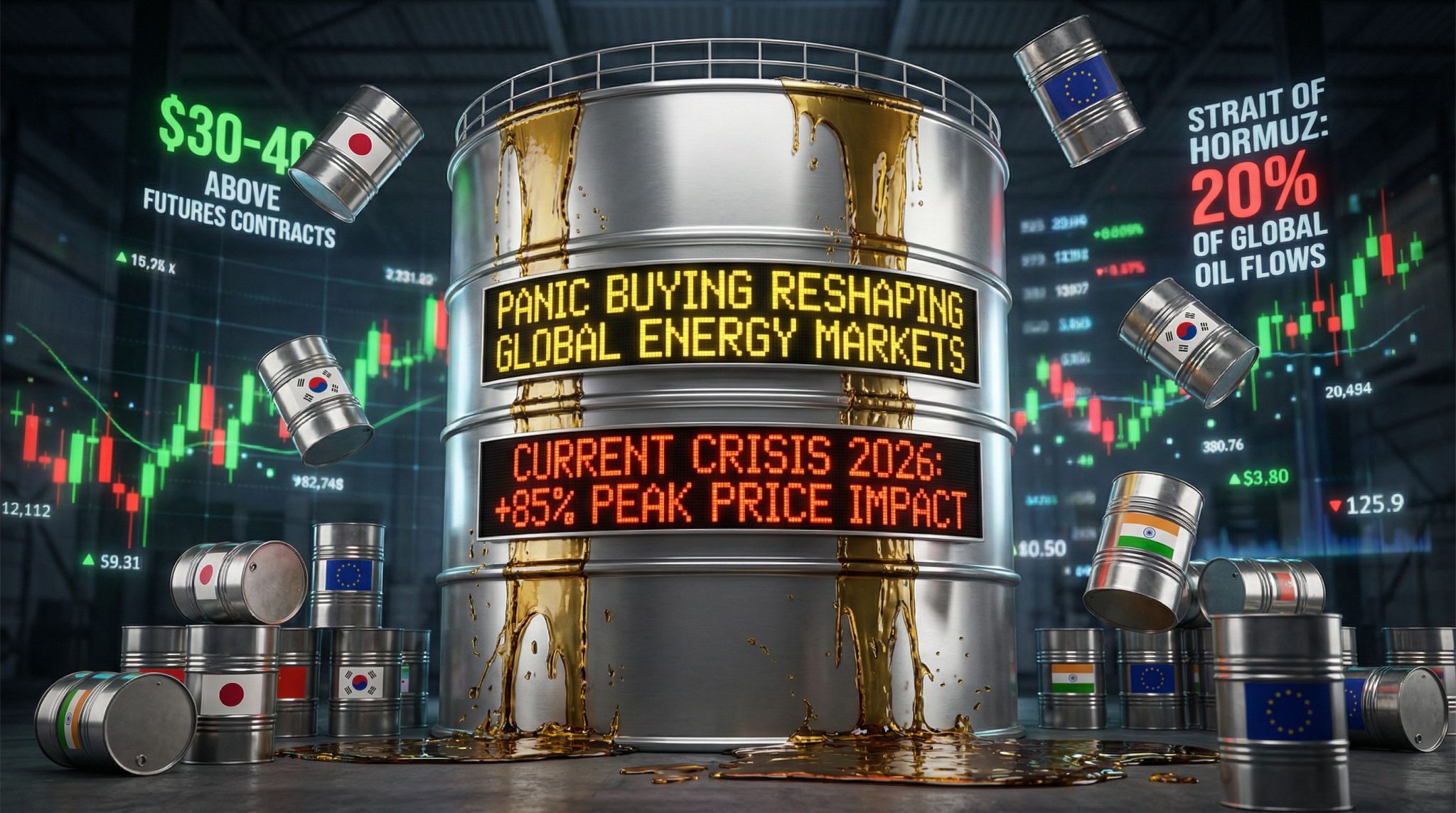
- Liquefied Petroleum Gas (LPG): Indian state-run energy firms are currently hammering out long-term supply agreements with Canadian producers to diversify away from traditional Middle Eastern suppliers.
- Heavy Oil: Over the past five years, Canada has quietly emerged as a key supplier of heavy oil to Indian refineries, balancing out volatile global energy markets.
Moving Beyond Simple Tech Outsourcing
For decades, the economic relationship between these two countries was predictable. Canadian companies outsourced back-office IT work to India, and Indian tech professionals moved to Canadian cities. That model is evolving.
The focus has shifted from basic software maintenance to high-value development in artificial intelligence and biotechnology. For instance, Indian IT giant HCL Technologies is expanding its Canadian footprint significantly, adding new AI development centers in Calgary and Mississauga while scaling up its existing operations in Vancouver. This isn't about finding cheap labor anymore; it is about tapping into highly specialized ecosystems.
In the medical sector, the flow goes both ways. Mumbai-based biotech firm OCT Therapies & Research recently committed to manufacturing advanced pharmaceutical products in New Brunswick. By embedding themselves directly into Canadian research hubs, Indian firms gain easier access to Western regulatory frameworks and specialized talent markets.
Agricultural Friction and the Pulse Protein Compromise
The trade relationship hasn't always been smooth sailing. Agriculture has historically been a major friction point. In the past, sudden Indian tariff hikes on Canadian peas and lentils left western Canadian farmers stranded with millions of tons of unexported crops.
Instead of fighting endless tariff battles, the two sides are trying a different approach. Saskatchewan recently partnered with Indian agricultural institutions to launch a joint pulse protein center of excellence.
By investing in domestic processing and research within India, Canadian agricultural groups are safeguarding their market share. They are moving away from exporting raw commodities and moving toward co-developing food technology. It's a pragmatic workaround to a policy dispute that previously seemed unfixable.
What This Means for Businesses on the Ground
If you are running a business in tech, energy, or manufacturing, the window to act on this corridor is opening right now. The political cover is there, and the institutional capital is moving. Canadian pension funds have already deployed nearly $100 billion into Indian infrastructure, real estate, and digital platforms. Around 600 Canadian companies operate in India today, and the official goal is to push that number past 1,000 within the next few years.
Don't wait for the final CEPA text to be signed at the end of the year. The smart plays are being made right now through sub-national partnerships, joint ventures in clean tech, and cross-border research development. The trade landscape is reordering itself, and the companies positioning themselves today will control the supply chains of tomorrow.