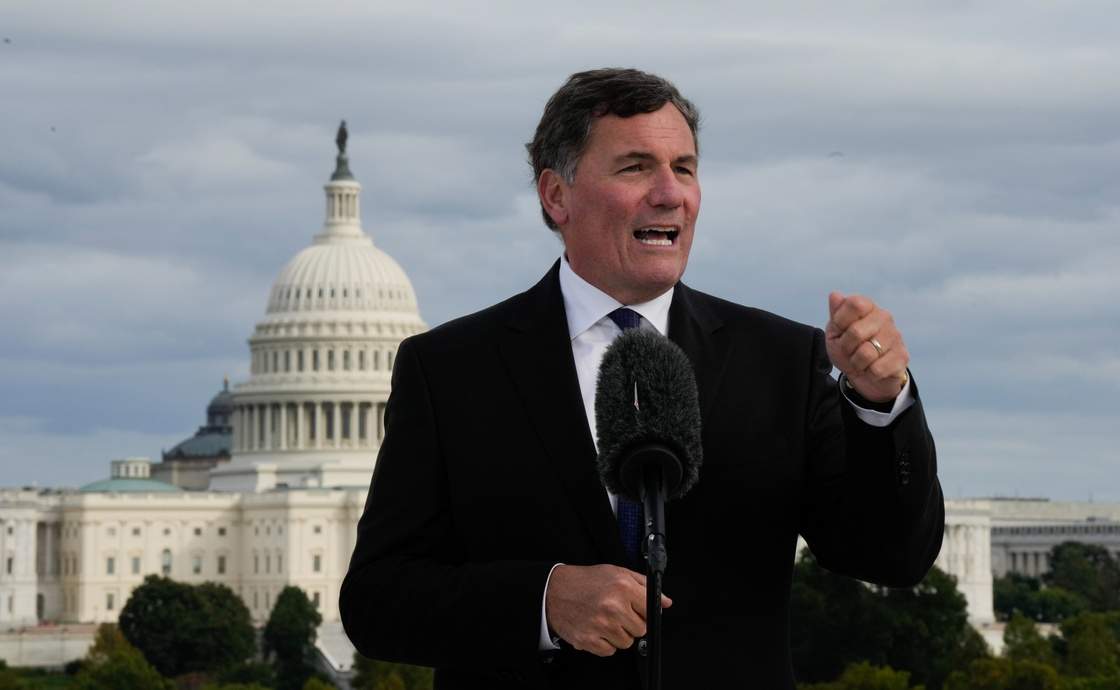
Time is running out. Canadian Trade Minister Dominic LeBlanc is back in Washington to sit down with U.S. Trade Representative Jamieson Greer as an August 19 deadline looms like a dark cloud over cross-border commerce.
If you think this is just another routine diplomatic spat, look closer. President Donald Trump’s administration is threatening sweeping 50 percent tariffs on roughly $20 billion worth of Canadian imports. These duties bypass standard U.S.-Mexico-Canada Agreement (USMCA) exemptions. They target specific friction points: provincial alcohol boycotts, retaliatory auto duties, and dairy quotas.
The clock is ticking down to the wire. Both sides are scrambling for a compromise, but the gap between what Washington demands and what Ottawa can stomach remains wide.
What Triggered the 50 Percent Tariff Threat
Let’s be honest about how we got here. This isn't just about milk or cars. It is a retaliation cycle that has been brewing for months.
Trump signed executive orders targeting Canada over what the White House calls discriminatory trade practices. The triggers are clear:
- Provincial and territorial bans keeping American alcohol off store shelves.
- Canada's retaliatory 25 percent levy on U.S.-built vehicles.
- Strict supply management quotas limiting access for American dairy.
When provinces started pulling U.S. booze in response to aggressive trade rhetoric and political threats, it pushed a fragile relationship over the edge. Now, Washington wants structural changes, not just quick fixes.
Inside the Washington Negotiations
LeBlanc and chief negotiator Janice Charette are facing an uphill battle in the U.S. capital. This week marks multiple high-stakes sessions in rapid succession, reflecting genuine panic in business sectors on both sides of the border.
According to insider reports, the U.S. side floated a proposal that would shave down some sectoral tariffs, but it falls short of what Canadian officials demand. Worse, Washington wants preferential access to Canadian critical minerals alongside deeper concessions on energy and security.
Ottawa is holding firm on certain boundaries. Sources close to the talks indicate that Canada is fully prepared to walk away and let the August 19 tariffs hit rather than sign a bad deal that guts domestic dairy protections or surrenders key economic leverage.
The High Cost of Failure
Business owners aren't waiting around to see who blinks first. A recent survey by the Canadian Federation of Independent Business shows that roughly two in five exporters deal directly in goods exposed to these incoming tariffs. More than three-quarters of those businesses expect immediate revenue drops, and over a third fear losing half their income or more.
Independent forecasts paint an equally grim picture for the broader macroeconomy. If the CUSMA framework fractures completely, estimates warn of more than 100,000 job losses in Canada and double that number down south.
At the same time, the broader trade pact faces mandatory annual reviews rather than long-term stability. This constant administrative friction makes long-term corporate planning nearly impossible. Businesses hate uncertainty more than they hate high taxes, and right now, uncertainty is the only thing guaranteed.
Where Things Go From Here
As LeBlanc and Greer lock horns in Washington, the final decision rests entirely with the White House. Experienced trade watchers note that technical negotiators can only clear away minor brush; only top-level political intervention can seal an actual pact.
If you run a cross-border operation, stop treating this deadline as background noise. Review your supply chains immediately, calculate your exposure to the targeted sectors, and prepare contingency logistics for next week. The outcome of these final closed-door meetings will reshape North American trade for years.