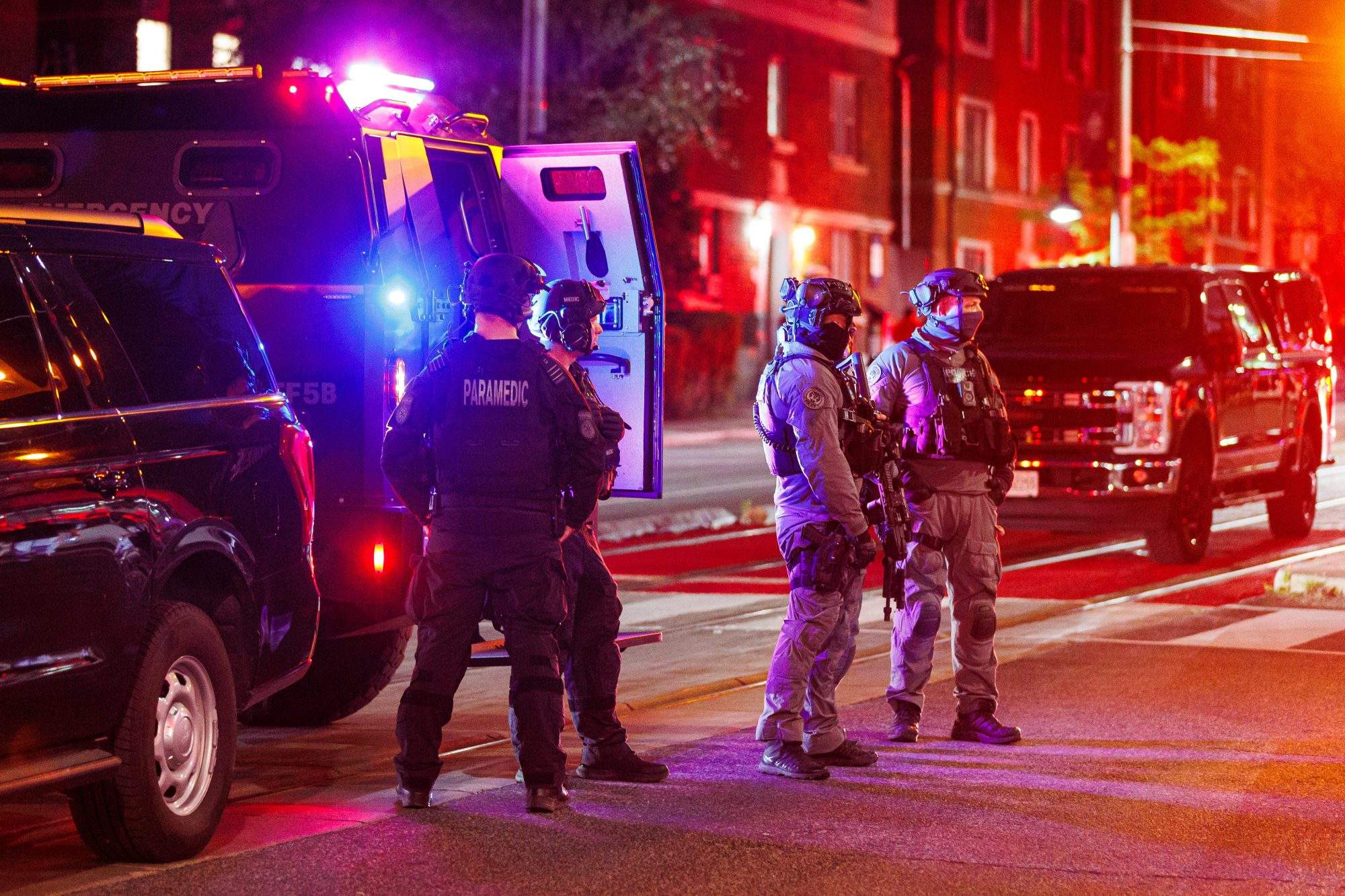
The immediate reaction to violence in our streets has become entirely predictable. A tragic shooting occurs within a few blocks of a major cultural gathering, and the organizers panic. The city panics. Within forty-eight hours, press releases drop, offering solemn condolences alongside the inevitable declaration: the festival is cancelled.
We saw it with the abrupt shutdown of Toronto’s Salsa on St. Clair. The narrative pushed by corporate sponsors and risk-averse city officials was uniform. They claimed cancelling the event was a necessary measure for public safety, an act of respect for the victims, and a logistical inevitability.
They were wrong on every count.
Cancelling cultural milestones in the wake of isolated criminal acts is not leadership. It is capitulation. It does nothing to solve the underlying systemic issues of urban violence, while actively destroying the social fabric that keeps communities resilient against crime in the first place. By turning major public celebrations into soft targets for cancellation, we are letting criminals dictate the terms of civil society.
The Myth of the Safety Cancellation
Let's dismantle the primary defense used by organizers: the illusion of public safety.
When a committee pulls the plug on a massive cultural event, they are not magically making the streets safer. They are shifting the crowd. A quarter of a million people who planned to spend their weekend dancing, eating, and interacting in a heavily policed, organized environment are suddenly dispersed back into unmonitored pockets of the city.
Urban criminologists have known for decades that vibrant, populated public spaces naturally deter random crime. Jane Jacobs famously called this "eyes on the street." When you empty a main thoroughfare like St. Clair Avenue, you do not create peace. You create a vacuum.
"A well-used city street is apt to be a safe street. A deserted city street is apt to be an unsafe one." — Jane Jacobs, The Death and Life of Great American Cities
To suggest that a neighborhood is made safer by forcing local businesses to board up their windows and keeping families locked inside their apartments is a complete inversion of reality. The data does not support the idea that cancelling public events lowers a city's weekend crime aggregate. It simply sanitizes the city's liability portfolio.
Follow the Paperwork, Not the Tears
Let’s be brutally honest about why Salsa on St. Clair was actually axed. It had very little to do with community healing and everything to do with skyrocketing insurance premiums and municipal chicken-heartedness.
I have spent years working alongside municipal event planners and corporate sponsors. When an incident occurs near a festival footprint, the insurers immediately re-evaluate the risk profile. Premiums spike. Security requirements double. The city demands a logistical infrastructure that the organizing non-profit cannot afford on short notice.
Instead of admitting that they were priced out by risk management lawyers, organizers hide behind the language of grief. They tell the public that they are "cooperating with authorities" and acting out of an abundance of caution.
This corporate sanitization of public grief sets a terrifying precedent:
- It gives bad actors veto power over public life. If all it takes to shut down a major cultural festival is a localized altercation, then the public square is officially up for ransom.
- It bankrupts small, local vendors who rely on these weekend-long economic engines to survive the fiscal year.
- It creates a hyper-sanitized city where only ultra-rich, stadium-enclosed events can afford to exist.
The Cultural Tax on Margins
Notice which festivals get the axe when violence occurs nearby. It is rarely the high-ticket, corporate-backed events held in gated venues. It is the free, street-level celebrations of immigrant communities, working-class neighborhoods, and cultural minorities.
Salsa on St. Clair is a celebration of the Latino diaspora in Canada. It is an economic lifeline for small businesses along the midtown corridor. When we cancel a celebration of this magnitude, we are imposing a cultural tax on the very communities that require visibility and solidarity the most.
Imagine a scenario where a major financial conference or a closed-door elite sporting event faced a similar disruption three blocks away. The show would go on. Extra security would be hired, barriers would be raised, and the elite would continue their business. But when a street festival for the public faces a hurdle, the immediate response is to pack up and go home.
This double standard sends a clear message to the community: your culture is disposable the moment it requires an administrative backbone to defend.
How to Actually Secure a City
People frequently ask: "How can we justify hosting a party when people are dying in the streets?"
The premise of the question is fundamentally flawed. A cultural festival is not a frivolous party; it is a manifestation of community sovereignty. The real question we should be asking is: "Why are we allowing localized criminal behavior to dictate the cultural calendar of an entire metropolis?"
If the goal is true public safety, the playbook requires courage, not cancellation.
- Dynamic Perimeter Zoning: Rather than shutting down an entire multi-block artery, employ progressive zoning. Increase police and community-led visibility at key transit nodes rather than shutting down the central hub where the community gathers for safety in numbers.
- Underwrite the Risk: If municipalities actually care about community resilience, city halls must step in to underwrite the sudden insurance spikes that happen when crime occurs near an event. Cultural infrastructure should be defended with the same financial ferocity as physical infrastructure.
- Empower Community-Led Safety: True security does not come from a wall of riot gear. It comes from local business owners, community elders, and marshals who know the neighborhood. Lean into local networks instead of outsourcing safety entirely to corporate risk adjusters.
Defending the public square requires accepting a certain level of logistical friction. It requires mayors and organizers to stand in front of a microphone and say: "We are angry, we are mourning, but we will not cower."
Every time we cancel a festival out of fear, the city shrinks. The streets become quieter, the storefronts darker, and the community more isolated. We do not honor victims by shutting down the very venues that celebrate life, culture, and unity. We honor them by refusing to yield the streets to the chaotic few.
Stop cancelling the festivals. Double down on them. Put more people on the asphalt, turn the music up louder, and force the shadows out of the neighborhood. Any other response is cowardice wrapped in a press release.