The red carpet is not a stage for art. It is a high-priced runway for luxury conglomerates to parade their human billboards under the guise of "celebrating film." Every year, the press corps descends on the Croisette to dutifully report on the "magic" of the opening night, listing five or six highlights that supposedly define the cultural moment. They talk about the standing ovations. They talk about the fashion. They talk about the jury's opening statements.
They are lying to you.
The first day of Cannes isn't the start of a film festival. It is the annual general meeting of the global attention economy. If you want to understand what actually happened on day one, you have to look past the flashbulbs and the scripted standing ovations. You have to look at the machinery that is currently strangling the very medium it claims to protect.
The Myth of the Ten Minute Standing Ovation
The most exhausted trope in film journalism is the timed standing ovation. On day one, the trades always report that the opening film received a seven, nine, or twelve-minute round of applause. This is treated as a metric of quality.
It is actually a metric of manners and camera blocking.
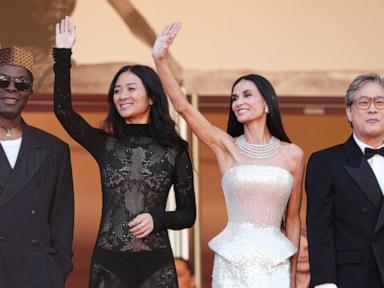
I have sat through these ovations. They are agonizingly performative. The lights come up, the camera is shoved into the director’s face, and the footage is beamed onto the giant screen inside the Grand Théâtre Lumière. The audience isn't clapping for the film; they are clapping because they are on camera. To sit down is to commit a social faux pas that could blacklist you from the after-party. It is a captive audience engaging in mutual ego-stroking.
When a "competitor" tells you a film was a hit because people clapped for ten minutes, they are ignoring the fact that the same audience would likely have clapped for a screensaver if the lighting was right. The length of an ovation is inversely proportional to the actual critical consensus that forms forty-eight hours later when the champagne wears off.
The Jury’s Empty Political Posturing
Day one always features the Jury Press Conference. This is where the industry’s elite pretend to be social activists. They are asked about the state of the world, and they respond with platitudes about how "cinema is a bridge" or "art is the ultimate resistance."
This is a convenient distraction. While the jury talks about the "power of the image" to change the world, the festival itself is funded by the very corporate structures that profit from the status quo. The cognitive dissonance is staggering. We watch millionaires discuss poverty and political strife while wearing jewelry that costs more than the budgets of the films in the Un Certain Regard section.
The real story isn't what the jury says about politics. The real story is what they refuse to say about the distribution crisis. Cinema is dying because it has been relegated to "content" by streamers, yet the Cannes opening day discourse remains trapped in a 1995 bubble where "the theatrical experience" is some sacred, untouchable cow. They defend the theater while the theater burns.
The Opening Film as a Sacrificial Lamb
The selection of the opening night film is rarely about merit. It is about logistics and star power. The goal is to get the right faces on the stairs to satisfy the sponsors.
The competitor articles will tell you that the opening film "set the tone for the festival." The truth is more cynical: the opening film is a sacrificial lamb. It is chosen because it is safe enough not to offend the financiers but flashy enough to attract the paparazzi. Most opening night films are forgotten by the time the second weekend rolls around.
If you want to see where the actual innovation is happening, you don't look at the gala screenings. You look at the basement markets where the real deals are being cut for films that might never see a French cinema screen. The opening night is a distraction from the fact that the "prestige" film industry is increasingly out of touch with how people actually consume stories.
The Fashion Industrial Complex
People ask: "Why do we care about the dresses?"
The answer isn't "glamour." It’s "contracts."
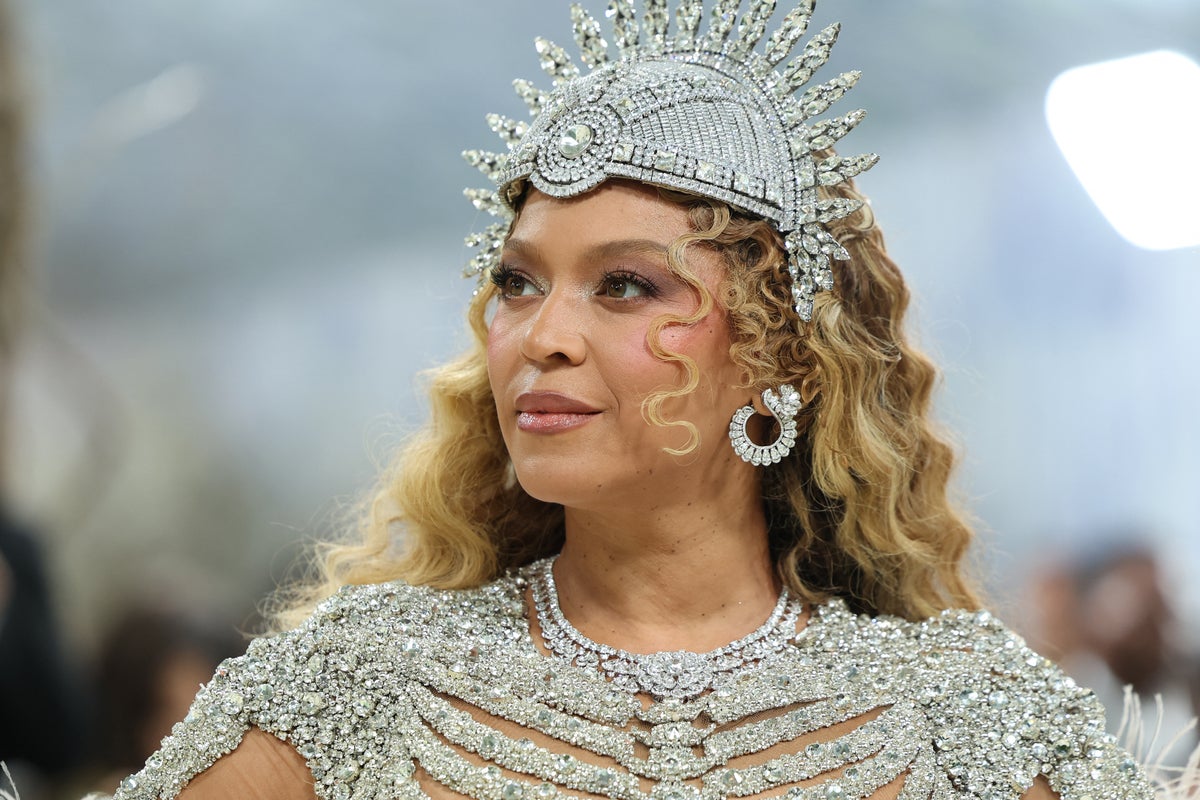
Every "spontaneous" fashion moment on the first day is a meticulously negotiated deal. The actresses are not choosing what they wear; they are fulfilling obligations to LVMH or Kering. The Croisette is a trade show for the textile and jewelry industries. By focusing on who wore what, the media effectively turns film critics into lifestyle bloggers.
This isn't harmless fun. It devalues the work. When the headline of a day-one report is about a vintage gown rather than the cinematography or the narrative structure of the film being screened, the festival has failed its primary mission. It has ceased to be a film festival and has become a backdrop for a catalog shoot.
The Brutal Reality of the Marché du Film
While the red carpet is happening, the real Cannes is taking place in the basement. The Marché du Film (the Film Market) is where the industry’s soul is actually traded. This is where the "five things that happened" truly reside, but they aren't pretty.
- The Death of the Middle-Budget Film: On day one, the talk in the market is about the total collapse of the $20 million to $50 million adult drama. If it isn't a micro-budget indie or a massive franchise play, it doesn't exist.
- The AI Panic: Despite the ban on the word in certain circles, the market is obsessed with it. Producers are quietly discussing how to use generative tools to slash post-production costs while public-facing panels decry the technology.
- The Pre-Sale Trap: Most of the "big news" announced on day one regarding future projects is hot air. They are announcements designed to trigger pre-sales to international territories for films that haven't even been cast yet.
- The Fragmentation of Taste: There is no longer a "universal" Cannes hit. What plays in the theater doesn't translate to the global streaming market.
- The Exhaustion of the Auteur: We are seeing the same names on the posters that we saw twenty years ago. The "fresh perspective" the industry claims to want is consistently sidelined in favor of the safety of an established brand name.
Stop Asking if the Festival is "Back"
Every year, the press asks: "Is Cannes back to its former glory?"
This is the wrong question. The premise is flawed because it assumes that the "glory" was ever about the films. The glory was about an era of media monopoly that no longer exists.
Cannes is no longer the gatekeeper of culture. It is a legacy institution trying to maintain its relevance in a decentralized world. To report on day one as a series of charming anecdotes is to ignore the structural rot. The industry is bloated, the distribution models are broken, and the "celebration" is largely a wake.
If you want to actually support cinema, stop reading about the standing ovations. Stop caring about the dresses. Look for the films that the festival delegates are ignoring because they don't have a recognizable star or a luxury brand sponsorship.
The first day of Cannes didn't show us the future of film. It showed us the desperate, final gasps of its past.
Watch the films, not the carpet.