Thousands of Americans are experiencing a brutal reminder that eating fresh produce carries hidden risks. Over 1,600 laboratory-confirmed cases of cyclosporiasis have flooded the Centers for Disease Control and Prevention (CDC) since May 2026, with health departments tracking an additional 5,100 suspected infections across 34 states. To put this in perspective, this time last year saw fewer than 250 cases. It's a massive, sudden surge.
The epicenter sits heavily in the Midwest, driven by contaminated shredded iceberg lettuce imported from central Mexico and distributed by Taylor Farms de Mexico. This specific batch wound up on tacos and burritos at Taco Bell locations across Indiana, Kentucky, Michigan, Ohio, and West Virginia. While Taco Bell has scrubbed the affected product from its supply chain and Taylor Farms has initiated a voluntary recall, the crisis is far from over. Meanwhile, you can explore other developments here: Emergency Department Congestion and The Structural Failure of Patient Flow Mechanics.
If you think a quick rinse under the kitchen tap protects you from this microscopic invader, you're dead wrong.
The Harsh Truth About Cyclospora Cayetanensis
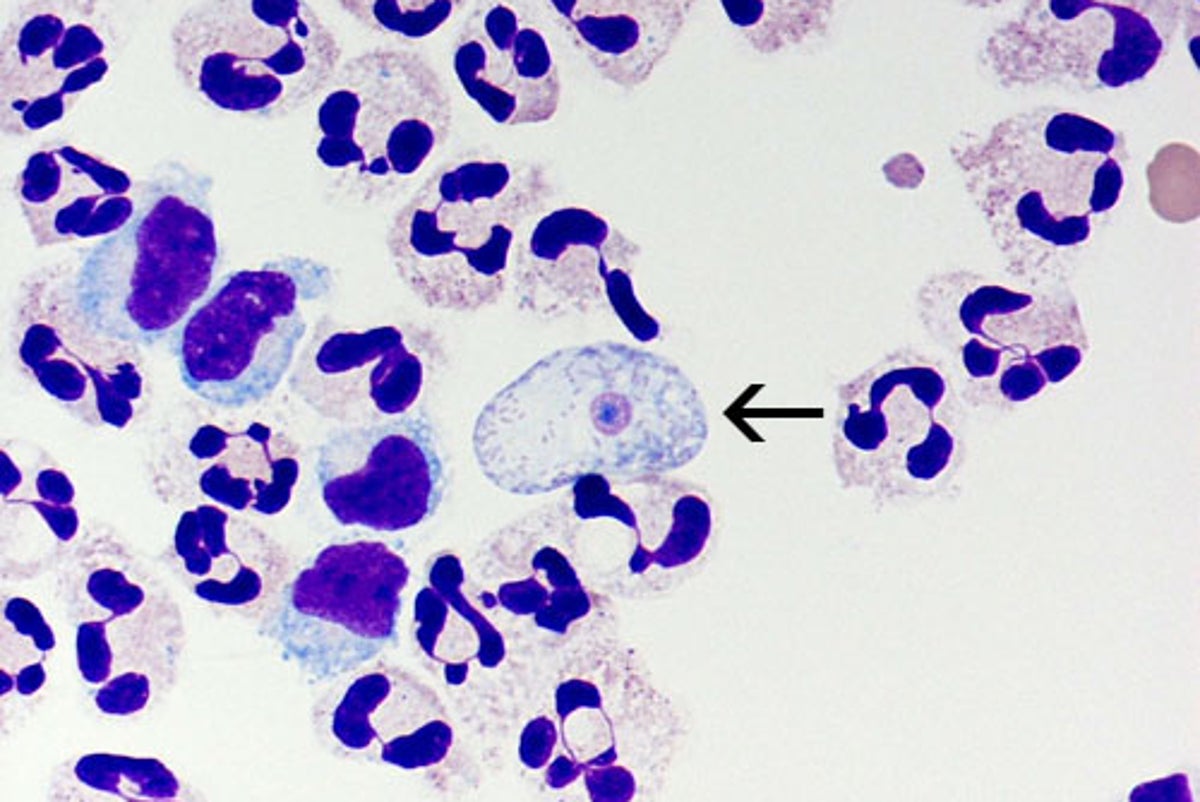
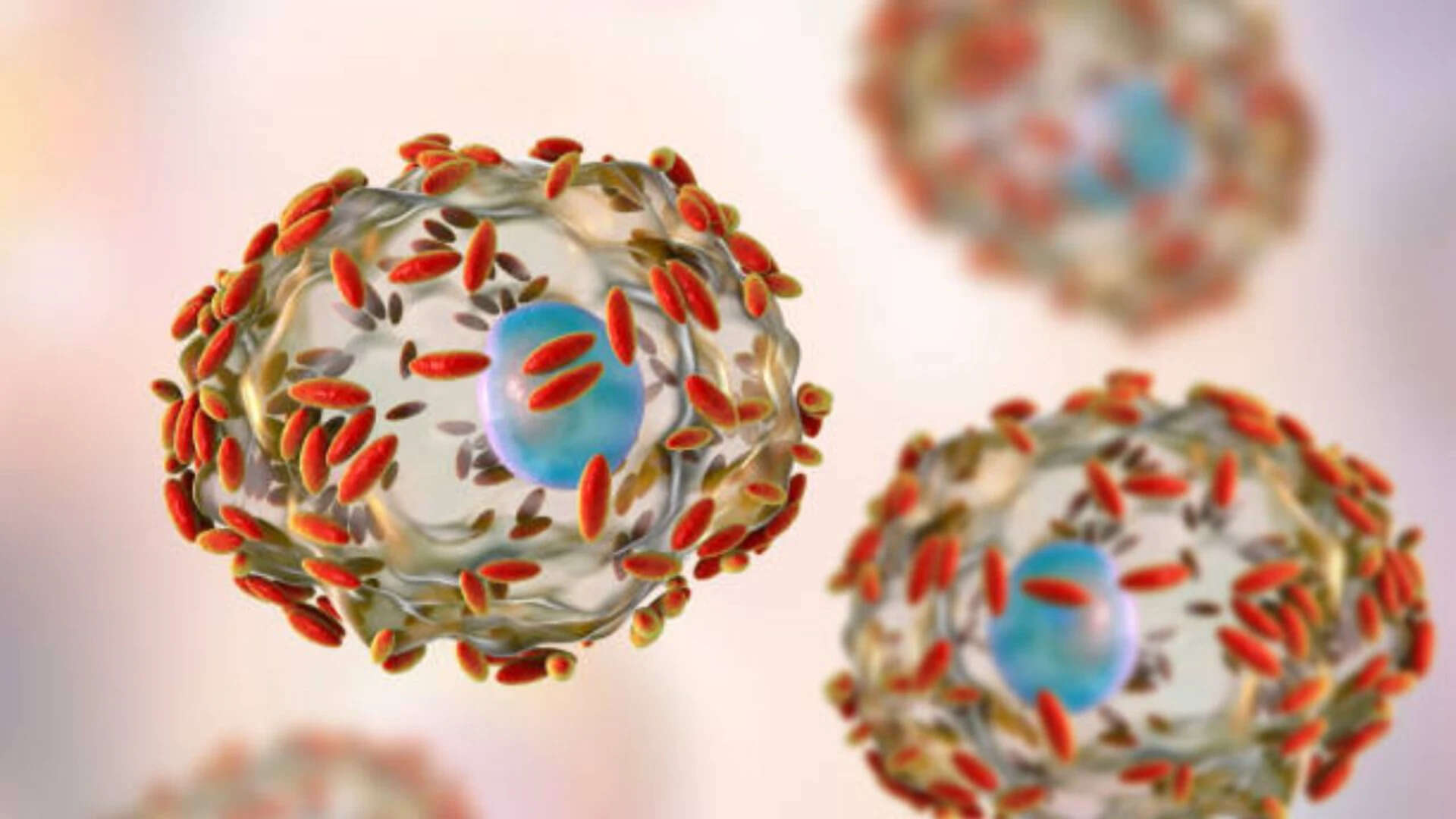
Most people mistake foodborne illness for standard bacterial food poisoning like Salmonella or E. coli. Those are bad, but Cyclospora cayetanensis is a completely different animal. It's a protozoan parasite, a tiny single-celled organism that sets up camp in your small intestine. To see the bigger picture, we recommend the detailed analysis by World Health Organization.
Here is what makes it a nightmare for food safety: it is chemically tough. Standard chlorine washes, kitchen vegetable sprays, and cold water do next to nothing to kill it. The parasite protects itself inside a thick cellular wall called an oocyst. When irrigation water becomes contaminated with human fecal matter, these oocysts stick to the rough surfaces of leafy greens, herbs, and berries. Once they stick, they're glued on tight. Commercial processing plants can run lettuce through advanced sanitizing flumes, and the parasite will still ride the product straight to your dinner plate.
The lifecycle prevents direct person-to-person spread. If you get sick, you didn't catch it from a coworker shaking your hand or a cook sneezing on your food. You caught it because human sewage somehow bridged the gap into the agricultural water supply where your food was grown. The parasite requires days or even weeks outside the body to mature into its infectious stage. By the time a farm worker or consumer ingests it, it's ready to wreck their digestive tract.
What the Explosive Stomach Infection Feels Like
This isn't a 24-hour stomach bug that you sleep off over the weekend. Cyclospora causes prolonged, agonizing gastrointestinal distress. Symptoms usually hit about a week after exposure, though the window can swing anywhere from two days to two weeks.
The hallmark symptom is frequent, explosive, watery diarrhea. It completely drains your body. Along with the relentless bathroom trips, victims experience:
- Severe abdominal cramping and bloating
- Extreme, bone-deep fatigue
- Nausea and loss of appetite
- Rapid, unintentional weight loss
- Low-grade fever and muscle aches
The trickiest part of cyclosporiasis is its relapsing nature. You might feel slightly better for a couple of days, think you've finally turned the corner, and then wake up the next morning right back at square one. Without targeted medical intervention, this miserable cycle can easily persist for a month or longer. For the elderly, young children, or anyone with a compromised immune system, the resulting dehydration can quickly become severe enough to require emergency hospitalization for intravenous fluids. Over 140 people have been hospitalized in this outbreak so far.
Why the Supply Chain Fails to Catch It
It frustrates consumers when health officials take weeks to pinpoint a source during an outbreak like this. The delay comes down to tracing complex logistics and managing the biological traits of the parasite itself.
Testing food for Cyclospora is notoriously difficult. Unlike bacteria, which multiply quickly in a lab petri dish, these parasites don't grow outside a host. Health agencies rely on advanced DNA-matching tools to link cases together. By the time a cluster of sick people goes to the doctor, gets tested, and has their data sent to the CDC, weeks have passed. The contaminated lettuce that made them sick is long gone from restaurant kitchens and grocery shelves, making direct testing of the food a race against a very short shelf-life.
Furthermore, global supply chains blur the origins of fresh produce. Leafy greens are harvested, mixed, packed, and shipped across international borders daily. A single bag of shredded lettuce might contain greens from multiple farms, turning the traceback process into an intricate puzzle for the FDA.
Real Ways to Protect Yourself Right Now
You don't need to completely stop eating raw vegetables, but you do need to change how you handle food during the peak summer outbreak season.
First, skip the shredded iceberg lettuce at fast-food joints in the affected Midwestern states until federal investigations wrap up completely. Taco Bell has swapped its supply, but other regional restaurant groups or local diners may still use central Mexican imports from the same agricultural zones.
When buying leafy greens for your home kitchen, ditch the outer layers entirely. Peel back and throw away the first three or four leaves of lettuce or cabbage heads, as these are the most exposed to contaminated water and soil.
If you want absolute certainty, heat is your only true shield. The Cyclospora parasite cannot survive temperatures above 158°F (70°C). Cook your vegetables thoroughly if you live in high-risk zones or belong to a vulnerable health category. Swap raw salads for sautéed greens, grilled vegetables, or roasted sides until the outbreak subsides.
Finally, don't try to tough it out with over-the-counter anti-diarrheal meds if you suspect you're infected. Standard stomach bug remedies won't clear a parasite. Go to a healthcare provider and explicitly ask for a stool test that checks for ova and parasites (O&P) or a gastrointestinal PCR panel. If you test positive, a doctor can prescribe a specific course of sulfa-based antibiotics—typically trimethoprim-sulfamethoxazole—which shuts down the parasite and stops the endless cycle of sickness. Keep your fluids up, pay attention to what's on your plate, and act fast if your gut starts signaling trouble.