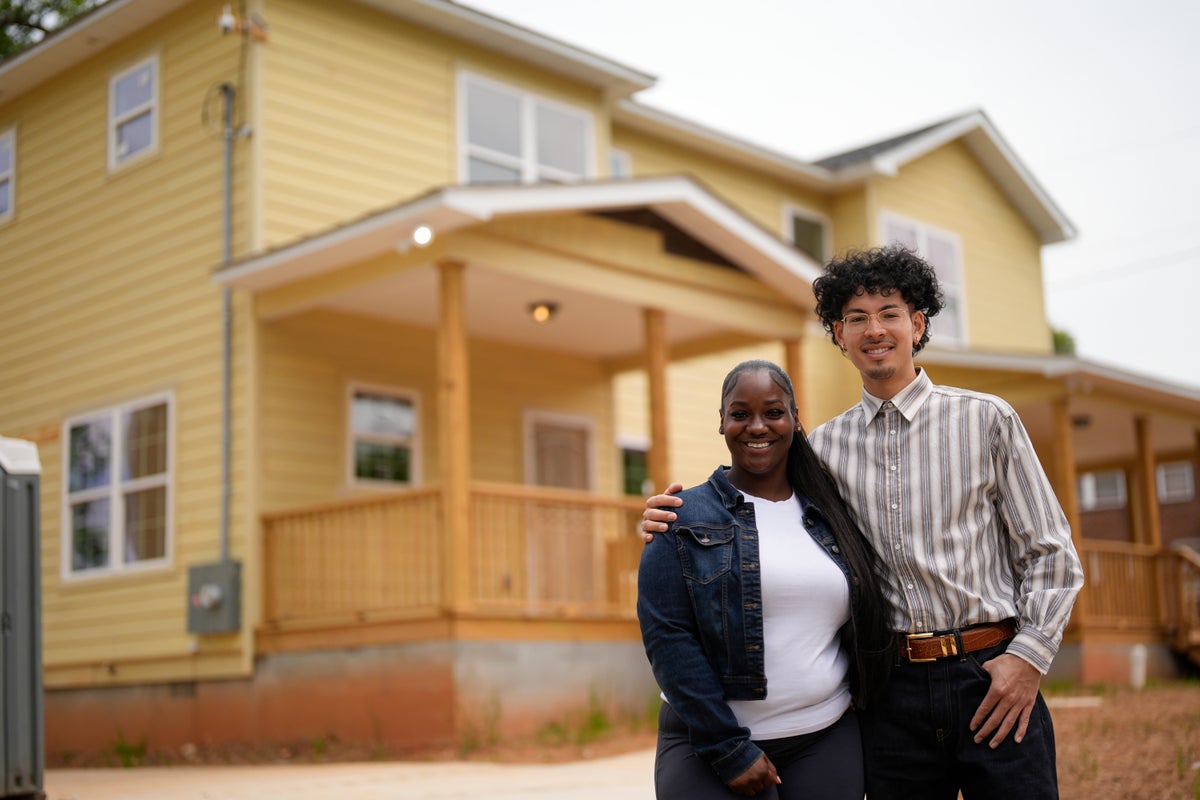
Atlanta’s housing market is a mess. If you live here, you know the drill. Prices go up, longtime residents get pushed out, and "affordable housing" usually means a cramped apartment on the edge of nowhere. But Habitat for Humanity is doing something different in the Browns Mill Village neighborhood. They aren't just building houses. They’re honoring a legacy that started decades ago with a hammer and a lot of sweat.
This latest push is part of the 2025 Carter Work Project. It’s the first time the massive volunteer event has returned to Atlanta in over 30 years. The goal is clear. Build 30 homes in a single week to provide a foundation for families who’ve been locked out of the American dream by soaring interest rates and corporate landlords.
The connection to Jimmy and Rosalynn Carter isn't just for show. The Carters didn’t just lend their names to this; they lent their lives to it. For 35 years, they showed up at construction sites, slept in modest dorms, and actually worked. Seeing this initiative return to their home turf after their passing feels like a heavy, necessary baton pass to the next generation of builders.
Why Browns Mill Village is the Blueprint We Need
Most developers look at a plot of land and see dollar signs. Habitat for Humanity looks at Browns Mill Village and sees a community. This isn't a collection of identical boxes. It’s a master-planned neighborhood designed to prove that quality housing shouldn't be a luxury.
The development spans over 30 acres. When it’s finished, it’ll house more than 40 families. These aren't rentals. These are deeds. That matters because equity is the only real way to stop the cycle of poverty in South Atlanta. If you own the dirt, you own your future.
What makes this project stand out is the focus on sustainability. These homes aren't built cheap. They’re built smart. They use energy-efficient materials that keep monthly utility bills low. There’s no point in giving someone a mortgage they can afford if the air conditioning bill ruins them every July.
The Reality of the Carter Legacy in 2026
We often talk about the Carters in soft, nostalgic tones. We shouldn't. Their approach to housing was radical and gritty. They believed that everyone deserves a decent place to live, not as a handout, but as a basic human right.
Jimmy Carter once said that "a home is a foundation for a family." He lived that. The 2025 project in Atlanta brought together thousands of volunteers, including celebrities and former presidents, but the focus stayed on the homeowners. To get a house here, you don't just sign a paper. You put in "sweat equity." You spend hundreds of hours building your neighbor's house and then your own.
This model works because it creates an immediate bond. You know exactly what’s behind your drywall because you helped put it there. You know your neighbor because you held the ladder while they nailed the siding. That’s how you build a neighborhood that actually lasts.
Stop Thinking of This as Charity
One of the biggest misconceptions about Habitat for Humanity is that it’s a giveaway program. It’s not. It’s a partnership. Homeowners pay a mortgage. They pay taxes. They maintain their property.
The "magic" happens in the financing. By removing the profit motive and using volunteer labor, Habitat brings the cost down to a level that a teacher, a bus driver, or a grocery clerk can actually manage. In a city like Atlanta, where the median home price has jumped into the stratosphere, this is the only way these essential workers can stay in the communities they serve.
If we want Atlanta to remain a vibrant city, we can't just be a playground for tech bros and movie stars. We need people who actually keep the city running to live within its limits. Browns Mill Village is a small dent in a huge problem, but it’s a dent that shows the way forward.
How You Can Actually Help Beyond Just Clicking
Most people read about the Carter Work Project, feel a brief warmth in their chest, and then keep scrolling. Don't do that. The work in Atlanta is far from over. While the big "blitz build" week gets the headlines, the long-term sustainability of these neighborhoods requires ongoing support.
- Volunteer your weekends. You don't need to be a master carpenter. They’ll teach you how to use a circular saw without losing a finger. The Southeast Atlanta branch is always looking for hands on the ground.
- Donate to the Carter Legacy Fund. This specific fund is designed to keep the momentum of the Carter Work Project going long after the cameras leave. It scales the "Atlanta model" to other cities facing similar housing crises.
- Show up at city council meetings. Affordable housing doesn't happen in a vacuum. It requires zoning changes and political will. Be the person who votes for density and low-income housing in your own backyard, not just in someone else’s.
The Carters spent their final years ensuring this work would continue. The best way to honor them isn't with a statue or a plaque. It’s with a hammer. If you’re tired of seeing Atlanta become unaffordable, go help build the solution. It’s literally sitting there in Browns Mill Village waiting for you.