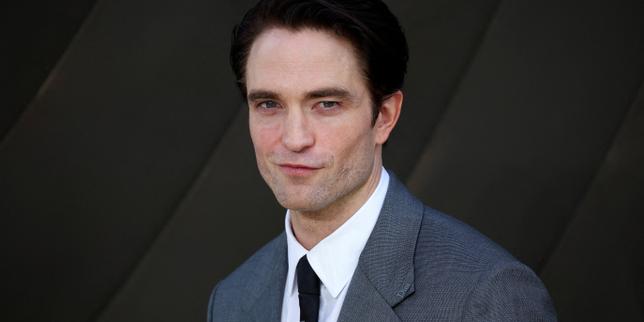
Rumors claiming Robert Pattinson has officially signed on to become the seventh actor to play James Bond have flooded entertainment feeds, sparking fierce debate among die-hard fans and studio insiders alike. While Eon Productions and Amazon MGM Studios have yet to issue a formal press release confirming the casting, the logic behind putting Pattinson in the tuxedo is undeniable. After Daniel Craig’s brutal, emotionally heavy five-film run concluded in 2021, the franchise hit a massive creative wall. Producers Barbara Broccoli and Michael G. Wilson do not just need a handsome face to sell luxury watches and sports cars; they need a proven box-office draw who can bridge the gap between prestige cinema and four-quadrant blockbuster spectacle.
The internet loves a premature coronation. Every few months, a new British actor—from Aaron Taylor-Johnson to Henry Cavill and Theo James—gets anointed as the next 007 by tabloid speculation and betting odds. Yet the Pattinson chatter carries a different weight because it aligns directly with the brutal economic realities facing modern cinema.
The Post-Craig Identity Crisis
Daniel Craig changed the rules. Before Casino Royale hit theaters in 2006, Bond was largely an invincible, quip-dispensing cartoon who rarely bled and never cried. Craig turned him into a blunt instrument haunted by trauma, culminating in the unprecedented decision to kill the character off at the end of No Time to Die. That ending painted Eon Productions into a corner. You cannot simply reboot the timeline with a generic action hero without making the transition feel cheap.
Modern audiences are deeply cynical about legacy franchises. Superhero fatigue has ravaged box office projections, and audiences have shown a clear preference for distinct, director-driven filmmaking over assembly-line intellectual property. Look at what succeeded in recent years: Oppenheimer, Dune, and Matt Reeves’ The Batman. Each of those films treated its audience like adults, leaning heavily into atmosphere, moral ambiguity, and grounded character work.
This is where Pattinson enters the frame. Over the last decade, he systematically dismantled his Twilight teen-idol image by working with uncompromising auteurs like Claire Denis, Robert Eggers, the Safdie brothers, and Christopher Nolan. He proved he could vanish into bizarre, unsettling roles in independent films before stepping back into the mainstream spotlight as Bruce Wayne. In doing so, he achieved something few actors under forty can claim: genuine artistic credibility paired with global name recognition.
What Studio Accountants Actually See
Forget the fan-casting polls on social media. Hollywood greenlights nine-figure budgets based on risk mitigation and international marketability. A Bond movie costs upwards of $250 million before a single dollar is spent on global marketing. To turn a profit, it needs to clear at least $700 million worldwide, with a massive chunk of that revenue coming from European and Asian territories.
Bankability in the modern era is rare. Most young actors who headline major franchises are entirely dependent on the intellectual property itself; put them in an original drama, and theaters stay empty. Pattinson has consistently drawn audiences to mid-budget and prestige projects purely on the strength of his name and reputation for interesting choices.
Consider the demographic math that executives at Amazon MGM—which acquired MGM for $8.5 billion largely for the Bond catalog—are calculating right now:
- The Legacy Audience: Older moviegoers who grew up with Sean Connery, Roger Moore, and Pierce Brosnan want sophistication, tailored suits, and dry wit. Pattinson possesses an effortless, old-Hollywood screen presence that fits a Savile Row tuxedo without looking like he is wearing a costume.
- The Millennial and Gen-Z Crowd: Younger viewers associate Pattinson with meme culture, indie cred, and The Batman. They are far more likely to buy a ticket for an actor they view as subversive rather than a safe, predictable studio pick.
- The Prestige Factor: High-profile directors like Christopher Nolan, Denis Villeneuve, and Edward Berger have all been linked to the next Bond installment. A-list filmmakers do not want to direct a wooden muscleman; they want an actor with range who can carry complex scenes without relying on dialogue.
When Nolan cast Pattinson in Tenet, he explicitly leaned into the actor’s sharp, aristocratic charm—dressing him in double-breasted suits and letting him play a mysterious, high-level operative. Watching Pattinson in Tenet essentially served as a two-hour screen test for James Bond, and he passed effortlessly.
The Scheduling Nightmare Nobody Mentions
If Pattinson is indeed the top choice—or has already quietly entered negotiations—the biggest obstacle is not fan backlash. It is the calendar.
Eon Productions notoriously demands a massive time commitment from its leading man. When an actor signs on to play 007, they are typically locked into a multi-picture deal spanning ten to fifteen years. Between grueling physical training, six-month international shoots, and relentless global press tours, playing Bond leaves very little room for passion projects.
Pattinson is currently tethered to Matt Reeves’ The Batman universe, with The Batman Part II occupying a massive block of his immediate future. Warners and DC Studios will not happily share their flagship Gotham hero with Amazon’s premier British spy. Double-dipping into two iconic, multi-billion-dollar franchises simultaneously is practically unheard of in modern Hollywood, largely due to insurance liabilities and conflicting marketing cycles.
Furthermore, Pattinson has spent his entire adult career avoiding golden handcuffs. After escaping the contractual obligations of the Twilight saga, he famously stated he had no interest in signing away a decade of his life to a single studio machine. Convincing him to take on Bond would require unprecedented concessions from Barbara Broccoli:
- A Shorter Contract: Instead of a four- or five-film mandate, Eon might have to settle for a two- or three-film commitment to get him in the door.
- Creative Veto Power: Pattinson would likely demand significant input on the choice of director and screenwriter, ensuring the films maintain an auteur sensibility rather than turning into generic action fare.
- Massive Upfront Compensation: Without backend box-office guarantees in the streaming era, Amazon would have to write an eye-watering check upfront.
The Risks of a Subversive 007
Hiring Pattinson is not a guaranteed slam dunk. Every major Bond casting choice carries inherent dangers, and this one comes with its own unique set of vulnerabilities.
First, there is the physical reality of the role. Daniel Craig set an exhausting precedent by turning Bond into a bruiser who looked like he could genuinely survive a bare-knuckle brawl in a back alley. Pattinson is lean, angular, and naturally pale. While he bulked up effectively for The Batman, he will never project the sheer physical menace that Craig brought to Casino Royale. If the script tries to force Pattinson into the exact same hyper-masculine mold, it will feel artificial. The franchise would need to pivot back toward espionage, psychological manipulation, and sharper dialogue—skills where Pattinson thrives.
Second, there is the danger of overexposure. Audiences love Pattinson right now precisely because he remains somewhat elusive. He rarely does traditional celebrity branding, avoids social media entirely, and keeps his public appearances minimal. Becoming James Bond turns an actor into a walking billboard for Omega watches, Aston Martin, and Heineken. That level of corporate saturation could erode the very mystique that makes him compelling to watch in the first place.
History offers plenty of warnings. When George Lazenby stepped into Sean Connery’s shoes for On Her Majesty's Secret Service in 1969, he struggled under the weight of public expectation and walked away after a single film. Timothy Dalton brought a dark, Fleming-accurate intensity to the role in the late 1980s, only for audiences to reject the tonal shift because they weren't ready to let go of Roger Moore’s lighter touch.
Reclaiming the Ian Fleming Blueprint
To understand why Pattinson works so well on paper, you have to look past the movies and go back to Ian Fleming’s original novels.
In the books, Bond is not a superhero. He is a cold, somewhat cynical civil servant with a cruel streak, a heavy smoking habit, and a profound sense of detachment. Fleming described him as having a lean build, a comma of dark hair falling over his forehead, and a look of quiet, slightly dangerous boredom.
Pattinson captures that exact energy naturally. He excels at playing characters who are slightly alienated from the world around them, men who observe everything while giving away almost nothing. Where Henry Cavill looks like a classic comic-book hero and Aaron Taylor-Johnson brings a volatile, street-level energy, Pattinson projects an aristocratic coldness that feels entirely faithful to Fleming’s text.
Imagine a Bond film set back in the Cold War era—a rumor that has circulated in London film circles for years—or a contemporary thriller that strips away the sci-fi gadgets in favor of paranoid, Le Carré-style tradecraft. In that environment, Pattinson wouldn't just survive; he would dominate. He has the rare ability to make stillness compelling on a sixty-foot screen.
The Verdict on the Rumor Mill
Until Eon Productions summons the press to Pinewood Studios and puts an actor in front of the cameras, every headline declaring the next James Bond should be treated with heavy skepticism. Broccoli and Wilson guard their secrets tightly, and they have never bowed to internet pressure or tabloid leaks.
Yet the persistence of Robert Pattinson’s name in these conversations reveals exactly where the franchise’s head is at. The era of the invincible, uncomplicated action hero is dead. To survive the next decade of theatrical exhibition, James Bond cannot simply repeat his greatest hits—he has to evolve into something sharper, stranger, and infinitely more dangerous. Whether Pattinson officially signs the contract or not, he represents the exact caliber of actor 007 needs to stay relevant.