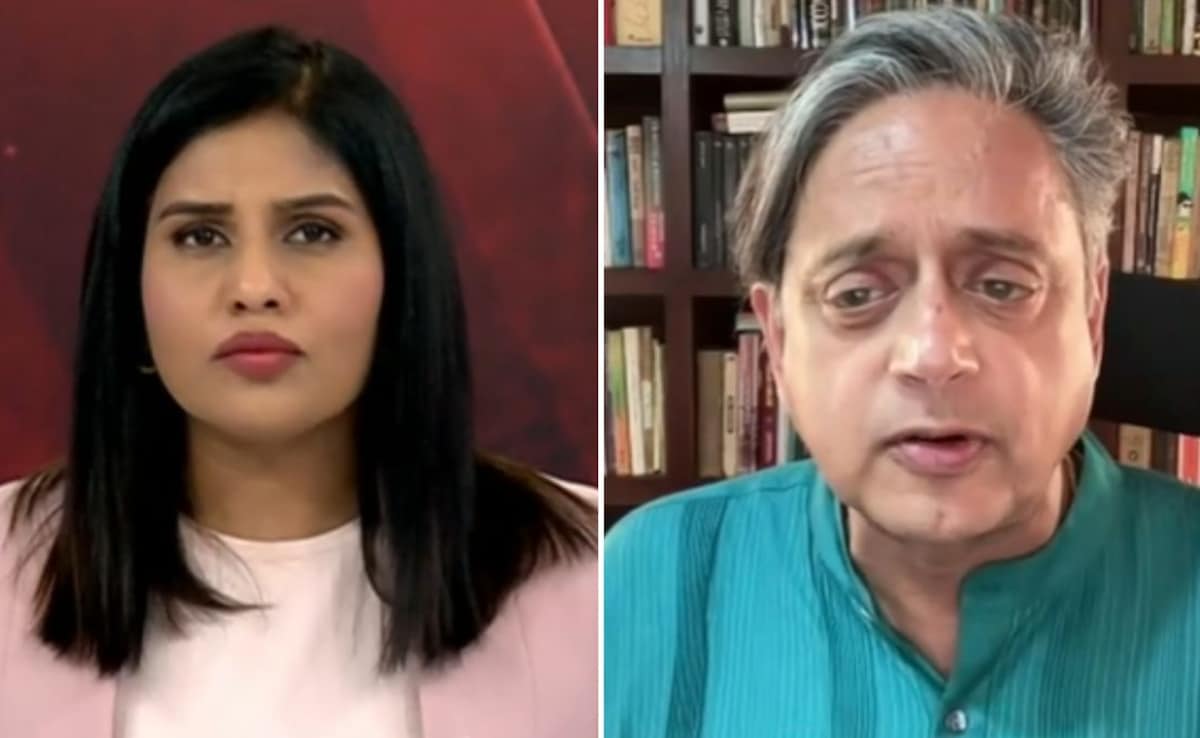
Shashi Tharoor is wrong. Not just slightly off or diplomatically imprecise, but fundamentally wrong about how power functions in the subcontinent. To suggest that Pakistan’s role in a ceasefire "should be celebrated" is to mistake a tactical retreat for a change of heart. It is the equivalent of thanking a pyromaniac for putting down the match because he ran out of lighter fluid.
The mainstream media loves a narrative of "hope" and "statesmanship." It’s easy to sell. It feels good. It wins awards at literary festivals. But in the cold, hard reality of South Asian brinkmanship, celebrating Pakistan’s "cooperation" is the fastest way to ensure the next conflict.
The Myth of the Reformed Actor
Let’s dismantle the "lazy consensus" that Pakistan has suddenly discovered the virtues of pacifism. The country is currently a fiscal basket case. With inflation hitting records and an IMF leash tightening around its neck, the Pakistani establishment isn’t choosing peace because of a moral epiphany. They are choosing peace because they cannot afford the electricity to keep the lights on in their war rooms, let alone fuel a sustained kinetic confrontation with India.
When Tharoor calls for celebration, he ignores the Internal Pressure Logic. Pakistan’s military-industrial complex thrives on the "India threat." If they are backing down now, it is a strategic pause to prevent total domestic collapse. To reward this with diplomatic praise is to give them the breathing room they need to rebuild the very insurgency infrastructure that has bled India for decades.
The FATF Ghost and the Financial Handcuffs
The real architect of any "peaceful" overture from Islamabad isn't a desire for brotherhood; it’s the Financial Action Task Force (FATF). For years, the threat of being "blacklisted" did more for regional stability than a thousand bilateral summits ever could.
We need to stop pretending that diplomatic "dialogue" is what moves the needle. Money moves the needle. Fear of poverty moves the needle. By celebrating Pakistan’s role in a ceasefire, we are effectively laundering their reputation on the international stage. We are helping them argue that they are "responsible actors" so they can access more credit, which will inevitably be diverted back into "asymmetric assets" once the coffers are full again.
The Staccato Reality of Proxy War
Peace is not the absence of firing on the Line of Control.
Peace is the dismantling of the terror camps in Muridke and Bahawalpur.
Have those been dismantled? No.
Has the doctrine of "bleeding India by a thousand cuts" been officially renounced? No.
Is the ceasefire just a way to save ammunition during a budget crisis? Yes.
I have spent years watching the policy shift in New Delhi. I have seen the same cycle repeat: a "historic" handshake, a joint statement full of lofty prose, followed by a high-profile attack that catches India off guard because we were too busy celebrating our own "diplomatic victory." We are addicted to the optics of peace while ignoring the mechanics of war.
The Flaw in Tharoor’s Liberal Internationalism
Tharoor represents a school of thought that believes everyone is a rational, Westphalian actor who just needs a seat at the table. This is a dangerous projection. When you deal with a state where the military is the state, the table is just another theater of war.
In this scenario, "celebrating" their role is a strategic blunder. It signals to the world that India’s threshold for "good behavior" is incredibly low. It tells the Pakistani deep state that they can provoke, kill, and destabilize for five years, and then get a standing ovation just by stopping for five months. We are incentivizing the cycle of violence by rewarding the pauses.
The Actionable Truth: Cold Peace is Better Than Warm Lies
Instead of celebration, we should be practicing Active Skepticism.
The ceasefire shouldn't be celebrated; it should be scrutinized. Every day of quiet on the border should be used by India not to pat ourselves on the back, but to further isolate the financial networks that fund the proxies. We should be doubling down on our infrastructure projects in Kashmir, not waiting for "permission" or "validation" from a neighbor that is only playing nice because its bank account is empty.
The Cost of Validation
When an influential Indian voice validates the Pakistani role, it undermines India's primary leverage: the truth of Pakistan's state-sponsored militancy. It provides a "get out of jail free" card to the generals in Rawalpindi. They take that quote, translate it, and blast it across their state media to show their own people—and the UN—that even the Indian elite thinks they are doing a great job.
Stop Asking if Peace is Possible
People often ask, "Don't we want peace?" This is the wrong question. Of course we want peace. The real question is: "At what price are we willing to buy a temporary quiet?"
If the price is the rehabilitation of a state that hasn't changed its core DNA, then the price is too high. We are buying a few months of silence at the cost of a decade of future security. We are allowing the adversary to dictate the tempo of the conflict. They start it when they feel strong; they call for a "ceasefire" when they are weak. And we, in our infinite "statesmanship," celebrate them for being weak. It’s pathetic.
The Hard Pivot
We need to stop treating the ceasefire as a mutual achievement. It is a unilateral necessity for Pakistan. India should treat it as such. No accolades. No "peace bus" 2.0. No cricket diplomacy. Just a cold, transactional silence.
The moment we start "celebrating," we lose the moral and tactical high ground. We signal that we are desperate for their approval. We aren't. India is a $4 trillion economy; Pakistan is struggling to pay its IMF interest. The power dynamic is entirely shifted, yet our intellectual elite still writes as if we are equals begging for a ceasefire.
The "nuance" that the celebratory crowd misses is that silence on the border is often the loudest warning of a reorganization behind the lines. Every bullet not fired today is being saved for a more opportune moment tomorrow.
Stop clapping for the man who stopped hitting you only because his arm got tired. Keep your guard up. Silence the applause and watch their hands. That is how you survive in this neighborhood.
The celebration is a trap. Don't walk into it.