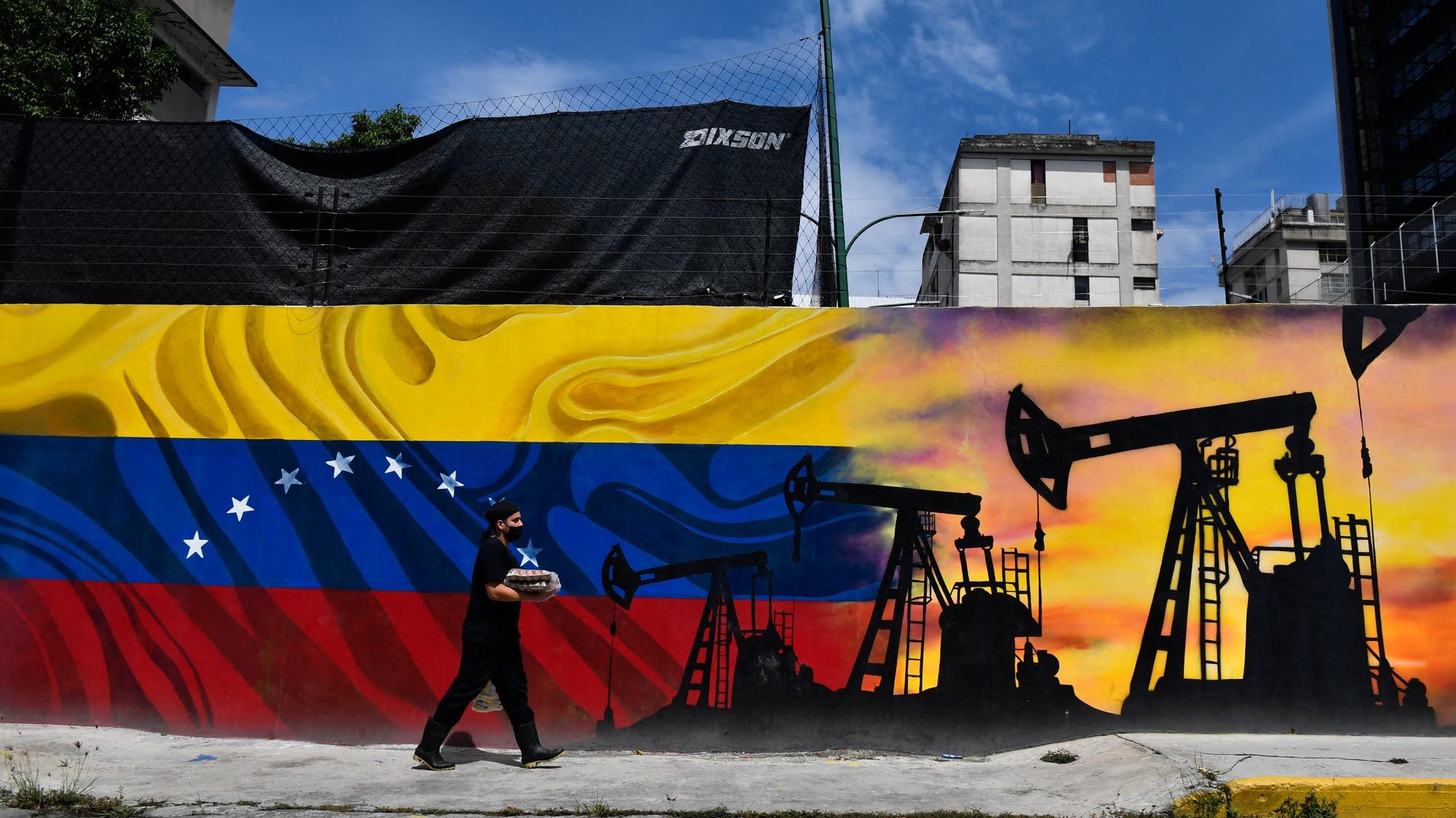
Governments love a convenient narrative. Tell the public that buying barrels from a rogue state stabilizes domestic pump prices, and bureaucrats nod in unison. The Ministry of External Affairs rolls out the standard talking points: engaging Caracas is a pragmatic play to strengthen energy security, diversify import corridors, and insulate national markets from Middle Eastern volatility.
It sounds sophisticated. It sounds like high-stakes diplomacy.
It is also complete nonsense.
I have watched state-backed conglomerates and multinational operators burn billions trying to extract value from failing petro-states. I have stood in boardrooms where executives mistook diplomatic optimism for operational reality. The entire premise that sourcing crude from a mismanaged, sanction-riddled basket case guarantees energy security relies on a fundamental misunderstanding of what security actually means.
Energy security is not about how many contracts you sign on paper. It is about reliability, infrastructure integrity, and political predictability. Venezuela offers precisely zero of those things.
The Myth of Diversification
The lazy consensus in foreign policy circles argues that adding another supplier to the global ledger reduces risk. More sources mean less vulnerability, right?
Wrong. When you add a supplier whose physical infrastructure is decaying faster than its political system, you are not diversifying risk. You are importing instability.
Petróleos de Venezuela has spent decades shedding engineering talent, cannibalizing equipment for spare parts, and running high-sulfur heavy crude fields into the ground. Decades of underinvestment and brain drain mean that extracting heavy Orinoco Belt crude requires imported diluents, specialized upgraders, and constant technical oversight—none of which exist in a stable state locally.
When foreign majors re-enter Venezuela under temporary licensing waivers, they are not walking into a functioning oil patch. They are walking into an industrial archaeological site. Expecting reliable barrels from a nation where the national oil company cannot maintain basic environmental containment, let alone steady production quotas, is economic illiteracy.
The Refineries Do Not Want Your Sludge
Let us address the technical reality that the cheerleaders of this engagement policy conveniently ignore: heavy sour crude is not a drop-in replacement for everything else.
Most complex refineries designed to process Venezuelan grades require specific configurations to handle extreme acidity, high metals content, and heavy sulfur. Building or retrofitting coking units and hydrotreaters takes years of capital expenditure and strict regulatory approval.
Imagine a scenario where a state-owned refiner signs a long-term supply pact with Caracas, assuming discounted heavy crude will pad margins. Six months later, secondary sanctions snap back into place, or political shifting halts tanker clearances. Your entire distillation slate is compromised, your feedstock supply vanishes overnight, and you are left scrambling on the spot market to buy replacement grades at a premium. That is not security. That is corporate Russian roulette.
The Cost of Geopolitical Leverage
Proponents argue that keeping channels open with Caracas denies total influence to rival geopolitical actors. If we do not buy their oil, someone else will.
This transactional cynicism reduces foreign policy to a basement-bargain trade show. By engaging, you provide a cash-strapped regime with the hard currency necessary to suppress internal dissent, bypass institutional checks, and entrench authoritarian rule. You finance the very dysfunction that created the refugee crises and regional instability spilling across borders.
And for what? A few marginal cargoes of heavy crude that require extensive processing and carry a radioactive compliance risk? Compliance costs alone—navigating Office of Foreign Assets Control regulations, verifying tanker ownership chains, and auditing cargo provenance—eat up any marginal discount you thought you negotiated.
What Real Energy Security Looks Like
If you want actual energy security, stop looking for quick fixes in failing states.
Real security is built at home through domestic grid modernization, relentless efficiency gains, strategic domestic reserve management, and diversified supply chains anchored in stable democracies with transparent rule of law. It means accepting short-term price fluctuations as the cost of long-term strategic independence, rather than mortgaging your foreign policy credibility for cheap sludge.
The diplomats will keep spinning their fairy tales about pragmatism and engagement. Let them. While they chase phantom barrels in the Orinoco basin, smart capital and serious strategists are building systems that do not depend on the whims of a dying petro-state.
Stop pretending you are securing the future by partnering with the past.