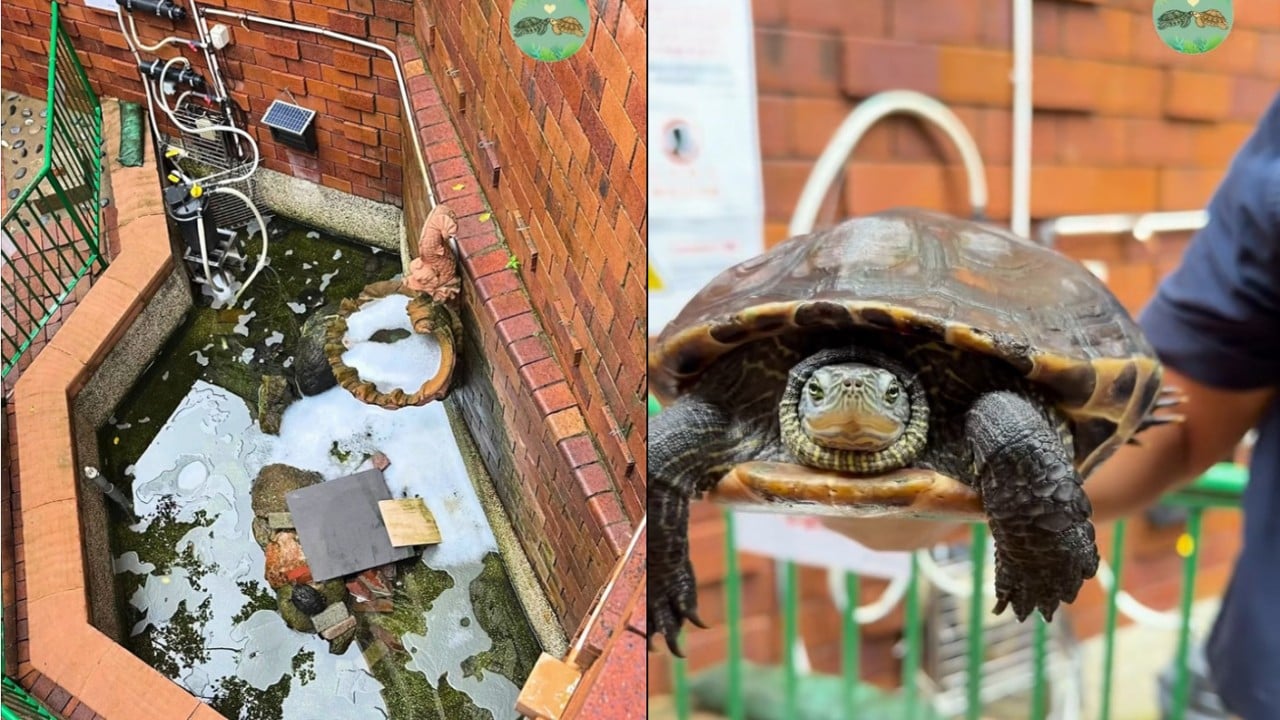
When a residential security guard on Kam Ying Road in Ma On Shan checked the pre-dawn surveillance feeds, he was not expecting to witness an act of localized ecological destruction. A 42-year-old man had walked up to the estate’s decorative pond at 4:57 in the morning, casually hurling concentrated laundry capsules into the water before disappearing into the dark. By sunrise, the surface was choked with an unnatural mountain of thick, iridescent foam. A single large catfish was dead, and thirty resident turtles were gasping for air, suffering from severe chemical irritation.
This bizarre incident is more than a simple case of malicious mischief. It exposes a chilling reality regarding how easily household convenience products can be weaponized against urban ecosystems. Modern chemical formulations are designed to strip grease and break down organic bonds with terrifying efficiency. When concentrated doses of these surfactants are dumped into closed aquatic systems, they trigger a catastrophic chain reaction that completely overwhelms the environment.
The Chemistry of Aquatic Suffocation
To understand why a handful of laundry pods can devastate a pond so quickly, one must look past the bright colors and convenient packaging to examine the core components. Laundry capsules contain high concentrations of anionic and non-ionic surfactants, along with various enzymes and optical brighteners. Surfactants lower the surface tension of water, allowing soap to penetrate fabrics. Unfortunately, they do the exact same thing to the delicate biological membranes of aquatic life.
When these chemicals flood a confined pond, they rapidly strip away the protective mucus layer that coats fish and amphibians. This outer layer is critical; it acts as a primary defense against pathogens, regulates osmotic balance, and prevents physical abrasion. Once dissolved surfactants destroy this barrier, the underlying skin and gill tissues are directly exposed to caustic agents.
For fish like the catfish found dead at the scene, the impact on the gills is immediate and fatal. Gills are marvels of biological engineering, consisting of ultra-thin membranes designed to extract dissolved oxygen from the water. When dense detergent foam coats the water's surface and permeates the column, it disrupts normal gas exchange. The fish effectively drown in open water because their oxygen uptake pathways are blocked by a dense blanket of synthetic suds.
Vulnerability in Managed Ecosystems
Natural lakes and rivers possess massive dilution capacities and complex buffering systems that can mitigate localized pollution events over time. Man-made urban ponds, however, are essentially aquatic deserts enclosed in concrete. They lack the expansive sediment interactions, diverse microbial communities, and continuous water turnover required to neutralize sudden chemical shocks.
The thirty turtles pulled from the Kam Ying Court pond survived only because a vigilant security guard intervened early, physically removing them from the toxic slurry and hosing down the enclosure. Yet, surviving the initial exposure does not mean escape from long-term harm. Turtles absorb toxins through their soft tissue areas and cloacal membranes. Ingestion of contaminated water can cause severe gastrointestinal distress, internal chemical burns, and secondary respiratory infections similar to aspiration pneumonia.
Urban decorative ponds are increasingly popular features in high-density residential developments across densely populated metropolitan areas. They provide residents with a rare slice of nature amid relentless concrete towers. Sadly, their artificial nature makes them uniquely vulnerable targets for vandalism, accidental spills, or malicious acts.
The Blind Spot of Household Chemical Regulation
The incident in Ma On Shan underscores a broader blind spot in how society views and secures dangerous consumer goods. While regulatory bodies place strict restrictions on industrial chemicals and heavy agricultural pesticides, ordinary household cleaning pods sit under kitchen sinks and on laundry room shelves by the billions, largely unregulated post-purchase.
These highly concentrated pods were originally engineered for consumer convenience, packing liquid detergent into water-soluble polyvinyl alcohol membranes. When used as intended in a washing machine with tens of gallons of water, they are diluted safely. Outside of that controlled mechanical environment, they act as potent chemical weapons.
Consider the parallel with domestic pet safety. Veterinary emergency rooms have long documented the dangers of dogs and cats biting into detergent pods, which often leads to severe chemical burns in the esophagus and life-threatening respiratory distress if foam is inhaled into the lungs. Yet, public awareness campaigns almost exclusively target the risk to toddlers and household pets. The risk posed by malicious actors utilizing easily accessible household chemicals to target public or semi-private wildlife has flown largely under the radar.
Enforcement and the Limits of Surveillance
Law enforcement agencies moved swiftly in this specific case, tracking the suspect through comprehensive closed-circuit television analysis and executing an arrest near his residence less than forty-eight hours after the report. The charge of animal cruelty brought against the 42-year-old suspect reflects the gravity of the offense, but it also highlights a sobering dependency on modern surveillance infrastructure.
Without high-definition cameras covering every square foot of modern residential estates, acts of environmental sabotage in semi-public spaces would go entirely unpunished. Most urban residential ponds do not feature 24-hour dedicated monitoring. If the security guard had not spotted the towering banks of foam during early morning rounds, the entire aquatic population of the pond would have perished before anyone connected the dots between a cleanload of laundry and a mass mortality event.
Protecting these fragile urban oases requires moving past the assumption that residential courtyards are inherently safe spaces. As urban density increases and social pressures mount, the vulnerability of managed ecosystems becomes an escalating security concern. Restricting open access to high-concentration chemical pods or locking up communal utility areas may soon become standard protocol for estate management. Until then, the barrier between a peaceful suburban pond and a chemical wasteland remains dangerously thin.