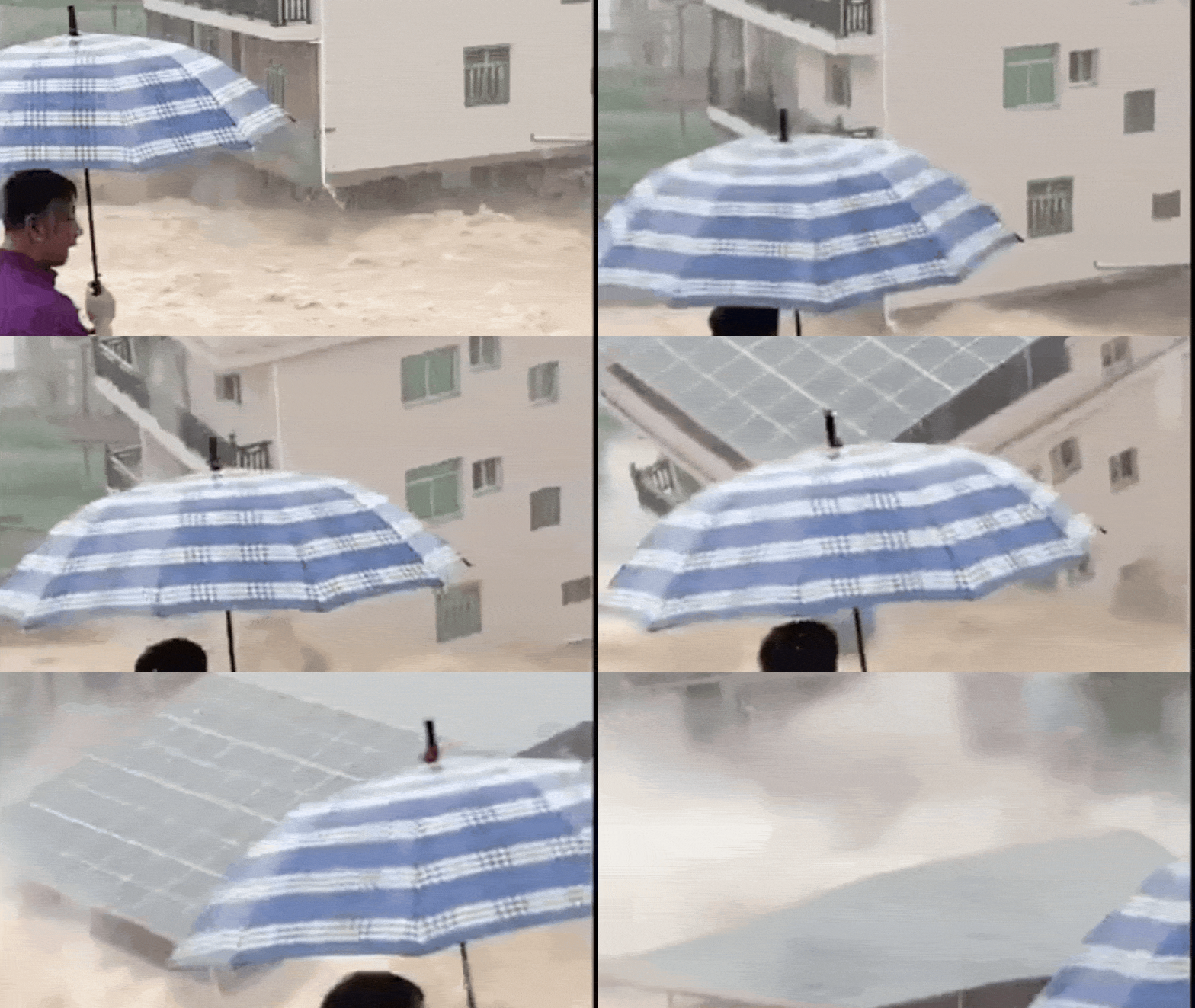
A three-storey building in Xianyou County vanished into roaring brown water in mere seconds, perfectly capturing the terrifying velocity of the latest natural disaster to hit eastern China.
When Typhoon Saudel slammed into the coast, it didn't just bring wind. It dumped relentless walls of water that turned quiet streets into raging torrents. If you've ever watched footage of urban flash flooding, you know how deceivingly calm the first few inches can look before everything spirals out of control. Here, the sheer force of the current obliterated reinforced structures like they were made of cardboard.
The Reality of School Compounds Turned Into Islands
In the Zhejiang city of Wenzhou, more than 2,500 teachers and students found themselves completely marooned inside their school compound. Low-lying academic zones turned into isolated islands almost overnight as torrential downpours overwhelmed local drainage systems.
When water levels rise that fast, standard evacuation protocols break down instantly. Roads morph into rivers too deep and fast-flowing for traditional rescue vehicles to navigate safely.
That's why emergency responders had to pivot quickly. Authorities deployed drones just to deliver basic survival necessities—food and drinking water—to the thousands trapped inside the school perimeter. Think about that logistics puzzle. You cannot drive a truck to a school when the surrounding terrain is a swirling vortex of debris. Aerial technology went from being a convenience to a literal lifeline.
Why Typhoon Saudel Packs Such a Punch
Typhoon Saudel didn't follow a neat path. After hitting neighboring Zhejiang province multiple times, the storm drifted over the warm waters of the South China Sea, recharged its energy battery, and made a destructive third landfall in Fujian's Zhangzhou.
Warm ocean moisture acts like rocket fuel for these weather systems. When these storms stall or loop back over land, they dump catastrophic amounts of rain on regions that are already saturated.
In Fuding, video clips showed entire blocks submerged. Cars floated like toys, and industrial hubs ground to a halt as local governments ordered sweeping shutdowns of factories, transport links, and classes. More than 247,000 residents in high-risk zones had already been evacuated days prior, but rapid flash flooding routinely catches people in areas deemed secondary risks.
Dealing With Compound Disasters
We are seeing a disturbing uptick in these hyper-aggressive weather patterns. Scientists point straight to rising global temperatures and increased atmospheric moisture content as the culprits behind these heavier, more concentrated downpours.
When infrastructure built for decades-old weather models faces modern typhoon extremes, failure happens instantly. A drainage system designed to handle fifty millimeters of rain per hour simply cannot cope when a storm dumps triple that amount in twenty minutes.
Emergency management agencies across Asia are learning harsh lessons from these events. Pre-emptive evacuations save lives, but institutional resilience requires rethinking how schools, hospitals, and low-lying residential sectors are zoned.
Keep an eye on regional updates as the storm tracks further west toward Guangdong. Heavy rains and secondary landslide threats remain high. Check local meteorological alerts immediately if you have family or operations in the affected southern provinces. Move to higher ground at the first sign of rising water rather than waiting for official orders.