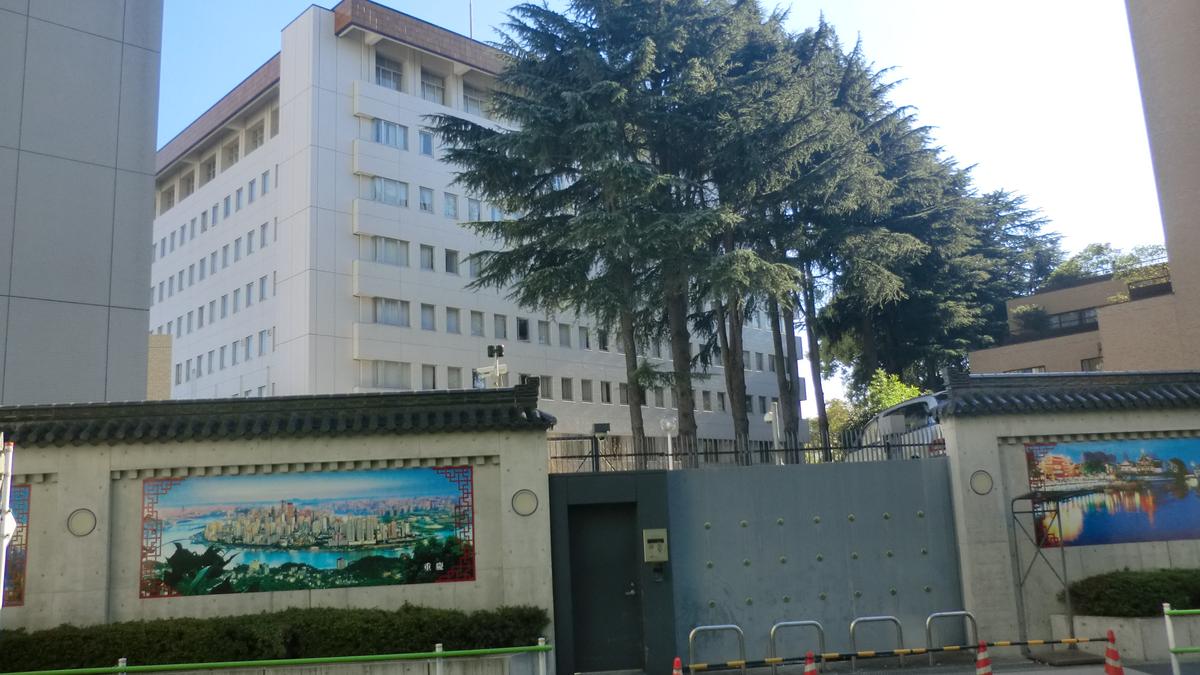
The headlines are screaming about "break-ins" and "sovereignty violations" in Tokyo. China is officially protesting. Japan is likely offering a rehearsed, tepid denial or a promise to investigate. Most analysts are busy dusting off their Cold War 2.0 scripts, talking about "escalating tensions" and the "fragile geopolitical climate."
They are missing the point.
This isn't a security failure. It isn't even a genuine international crisis. It is a carefully choreographed piece of performance art designed to serve domestic political appetites while keeping the actual wheels of trade turning behind the curtain. When you see a "protest" over an embassy perimeter breach, you aren't looking at a prelude to conflict. You’re looking at a release valve.
The Myth of the Vulnerable Embassy
The "lazy consensus" suggests that a breach of an embassy—especially one as high-profile as the Chinese embassy in Tokyo—is a sign of a collapsing security relationship. It’s framed as a chaotic lapse.
In reality, the Tokyo Metropolitan Police Department (TMPD) operates one of the most sophisticated urban surveillance and protection cordons on the planet. I have spent years navigating the intersection of corporate intelligence and regional security in East Asia. You don’t "accidentally" get close enough to a Chinese diplomatic mission in Minato City to cause an international incident unless someone, somewhere, decided that a little friction was useful for the week’s news cycle.
Embassies are sovereign soil, yes. But they are also political lightning rods. When internal economic numbers in Beijing look shaky, or when Tokyo needs to signal its alignment with Washington without actually cutting off its largest trading partner, these "incidents" provide the necessary noise.
Protests as Currency
We need to redefine what a "diplomatic protest" actually is. In the current media environment, it is treated as a precursor to sanctions or kinetic action. In the world of actual statecraft, a protest is a low-cost way to satisfy nationalist sentiment without spending a single yen or yuan.
- Domestic Distraction: If the property market is tanking or youth unemployment is hitting record highs, nothing cleanses the palate like a righteous indignation over a foreign "insult."
- The Tit-for-Tat Loop: This is a closed system. Japan does something China dislikes (e.g., semiconductor export curbs); China finds a reason to be aggrieved in Tokyo. It allows both sides to save face.
- Controlled Escalation: By focusing the "conflict" on a physical perimeter or a specific building, both nations keep the dispute localized. It’s a sandbox. It prevents the tension from bleeding into the supply chains for specialized chemicals or automotive parts.
Follow the Money Not the Rhetoric
While the diplomats are trading barbs, look at the trade data. Despite the "chilly" political atmosphere, the integrated circuit trade and the flow of industrial machinery between these two giants remain the bedrock of the global economy.
If Japan were truly worried about a breach of sovereignty, or if China were truly outraged by a lack of protection, you would see immediate shifts in visa processing for technical experts or a freeze on joint venture approvals. We aren't seeing that. We’re seeing a press release.
I’ve seen boards of directors panic over these headlines, dumping stock or pausing expansion plans because they think "the big one" is coming. They are usually the ones who lose out to the insiders who understand that a protest in the morning often precedes a quiet trade dinner in the evening.
The PAA (People Also Ask) Reality Check
Is Japan-China tension at an all-time high?
No. It’s at an all-time high for visibility. In the 1930s, tension meant war. In the 2020s, tension is a branding exercise. The integration of their economies makes a real break-off nearly impossible without total mutual destruction.
Does a break-in violate international law?
Technically, under the Vienna Convention, the host country has a "special duty" to protect the mission. But international law is only as strong as the will to enforce it. In this case, "enforcement" usually looks like a formal apology and a new fence. It’s a procedural hiccup, not a legal catastrophe.
Should investors be worried?
Only if they believe the theater is the reality. The real risk isn't an embassy wall being hopped; it’s a quiet regulatory change in an obscure ministry that nobody writes a headline about.
Stop Reading the Script
The mistake people make is treating nations like individuals with feelings. Nations are cold, calculating machines. China isn't "angry." Japan isn't "sorry." They are playing a game of geopolitical chess where the pawns are the public’s attention.
Imagine a scenario where an actual, high-level intelligence breach occurred. You wouldn't hear about it on the news three hours later. It would be buried, handled in back-channel negotiations, and traded for a concession in a totally different sector. The fact that this is public means it is meant to be seen. It is a signal, not a symptom.
If you want to understand the future of the East Asian power dynamic, ignore the shouting matches over embassy fences. Watch the flow of capital. Watch the patent filings. Watch who is buying the most high-end lithography equipment.
The next time you see a headline about a "diplomatic standoff," ask yourself: who benefits from me being outraged today? Usually, it's the person trying to keep you from looking at the trade balance.
Buy the dip. Ignore the noise. The fence is fine.