Traditional solar power has a massive spatial footprint. We cover arid deserts and suburban rooftops with glass panels, all while massive expanses of open water sit completely ignored by renewable energy developers. That mismatch bothered engineers who realized the earth's surface is mostly ocean. So they built something different.
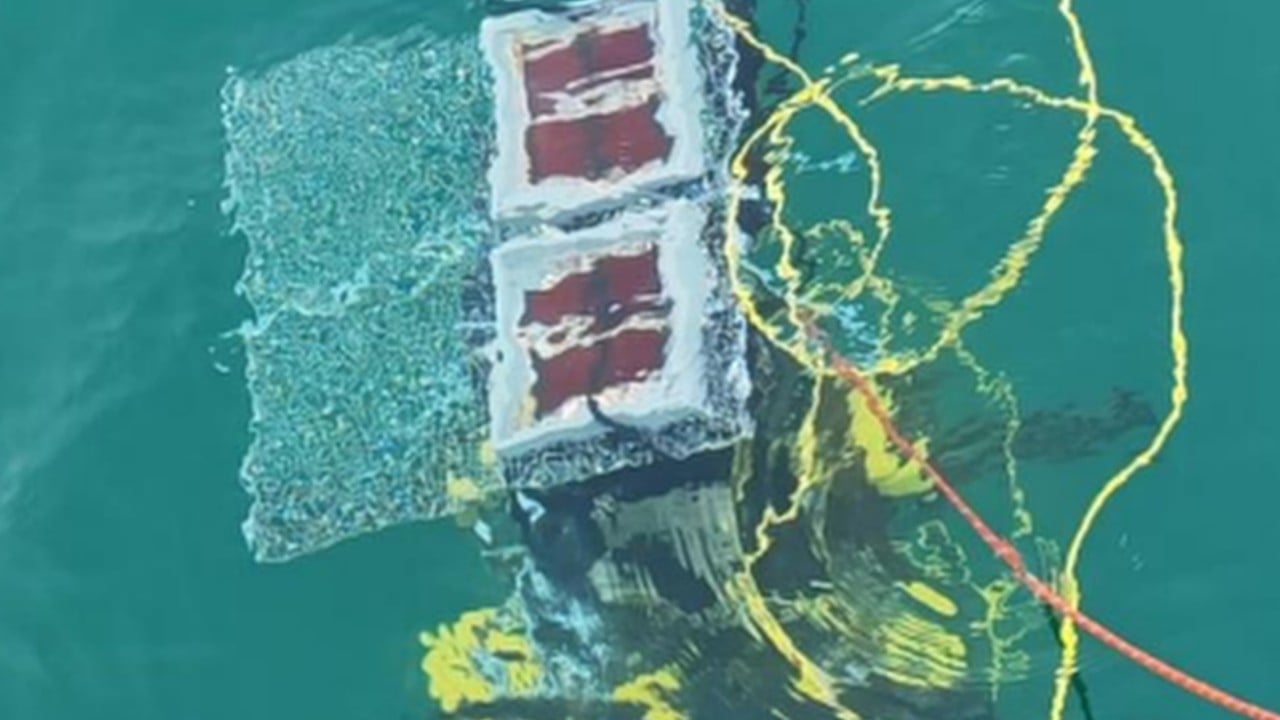
China recently deployed a practical submarine solar power plant operating at a ten-metre depth in the open sea. It sounds like science fiction. It is actually heavy engineering designed to solve real spatial and thermal limitations of land-based renewable energy systems.
People assume solar panels only belong on dry land. That assumption ignores basic thermodynamics and maritime geography. Let's look at why this underwater plant matters and how it redefines offshore clean energy infrastructure.
The Brutal Realities of Land Based Solar Farms
Land is expensive. It requires complex permitting, environmental impact assessments on terrestrial ecosystems, and long transmission lines connecting remote deserts to urban centers. Worse, land-based solar panels suffer from severe thermal stress.
When ambient temperatures spike, photovoltaic efficiency drops. Anyone who has touched a rooftop solar panel in July knows how hot they get. High heat degrades the semiconductor materials over time and cuts energy yield right when demand for air conditioning peaks.
Open water offers a built-in cooling system. Submerging marine solar arrays at shallow depths keeps the operational temperature stable. Water absorbs and dissipates ambient heat far better than air. You get higher electrical output from the exact same photovoltaic cells simply because the ocean acts as a giant thermal sink.
How a Submarine Solar Plant Actually Works
Engineering electronics to survive underwater requires throwing out standard installation playbooks. You cannot just drop standard solar panels into saltwater and hope for the best. Corrosion, biofouling, and extreme pressure gradients destroy standard commercial equipment within weeks.
Engineers solved this by housing specialized photovoltaic modules in pressure-resistant, transparent enclosures. These units sit anchored to the seafloor or float at a controlled ten-metre depth where wave action remains manageable, yet sunlight penetration is still strong enough to drive efficient power generation.
At ten metres down, the water column filters out extreme ultraviolet radiation while transmitting enough photosynthetically active radiation for energy conversion. The mooring systems must withstand heavy currents, storm surges, and tidal shifts without letting the anchoring cables rub against and shatter the glass housings.
Power generated subsea travels up through heavy-duty armored underwater cables directly to coastal power grids or offshore hydrogen production platforms. This integration creates a localized marine energy hub rather than a single isolated gimmick.
Overcoming the Major Engineering Hurdles
Critics point out that salt crusts, algae growth, and murky water kill light transmission. They are right to worry. Biofouling is the silent killer of any marine infrastructure. Barnacles, mussels, and microbial slime will coat transparent surfaces in no time if left unchecked.
The project relies on specialized anti-fouling coatings developed specifically for maritime optics. These coatings prevent marine organisms from finding a permanent home on the glass faces without leaching toxic chemicals into the surrounding marine ecosystem.
Maintenance presents another massive operational hurdle. You cannot send a technician down with a squeegee every Tuesday. Autonomous cleaning drones and robotic scrubbers handle routine maintenance along the submerged arrays. If a module fails completely, modular plug-and-play underwater connectors allow robotic submersibles to disconnect and swap units without dragging the entire rig to the surface.
What This Means for Coastal Energy Markets
Coastal megacities consume staggering amounts of electricity. They also happen to sit right next to the largest untapped energy resource on the planet. By placing solar infrastructure in shallow coastal waters, energy developers bypass land acquisition costs entirely.
You avoid local zoning battles and NIMBY complaints about ruined desert views. The power is generated right where the population density is highest. Transmission losses drop dramatically when generation facilities sit within a few miles of urban substations instead of hundreds of miles away in a remote interior desert.
Commercial scaling will dictate whether this stays a brilliant engineering test or becomes a dominant global standard. Initial cost metrics look high compared to slapping cheap panels on a warehouse roof. Once mass manufacturing of pressure-sealed marine panels kicks in, the economics shift quickly.
Stop thinking of the ocean as just a medium for shipping and fishing. It is the next major frontier for high-density renewable energy generation. The successful deployment of this ten-metre submarine plant proves that marine solar is no longer a theoretical concept sketched on a napkin. It is operational reality.