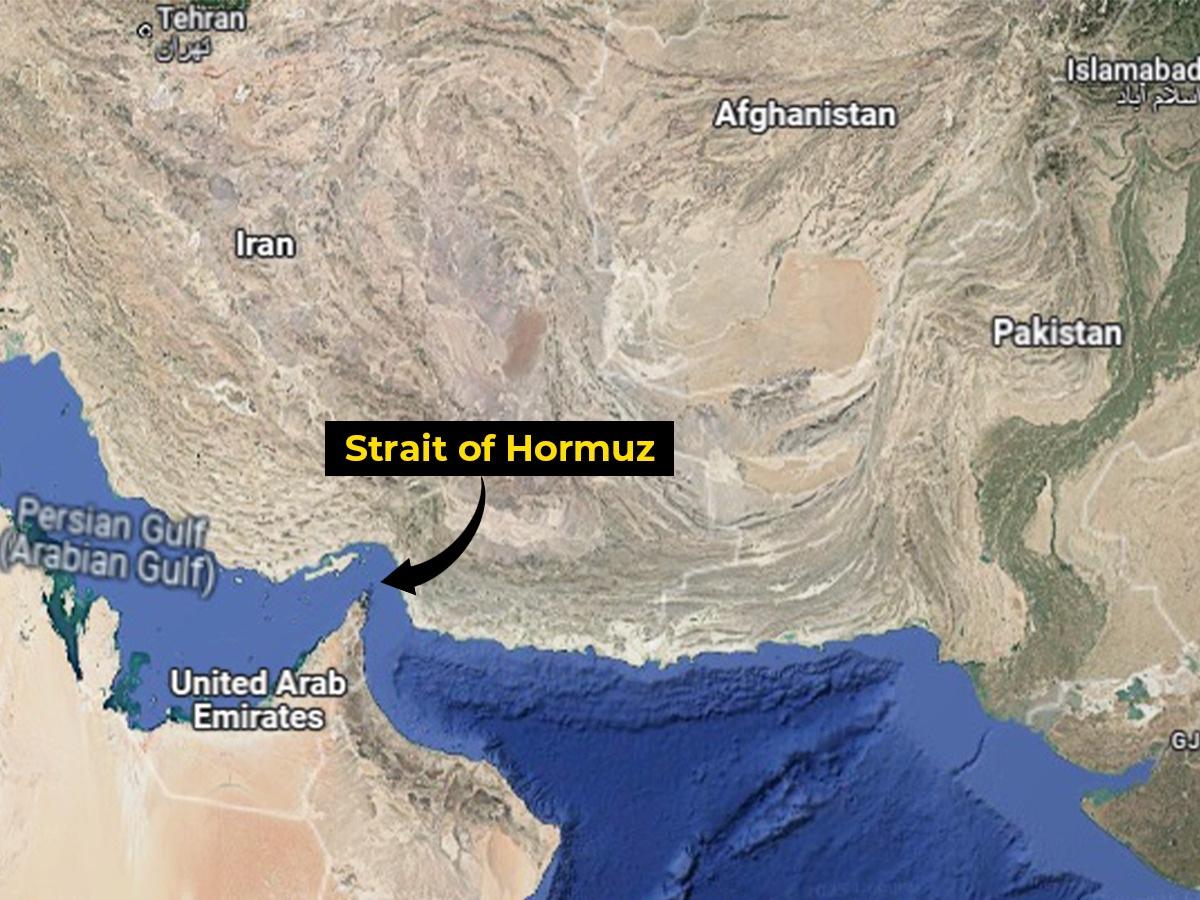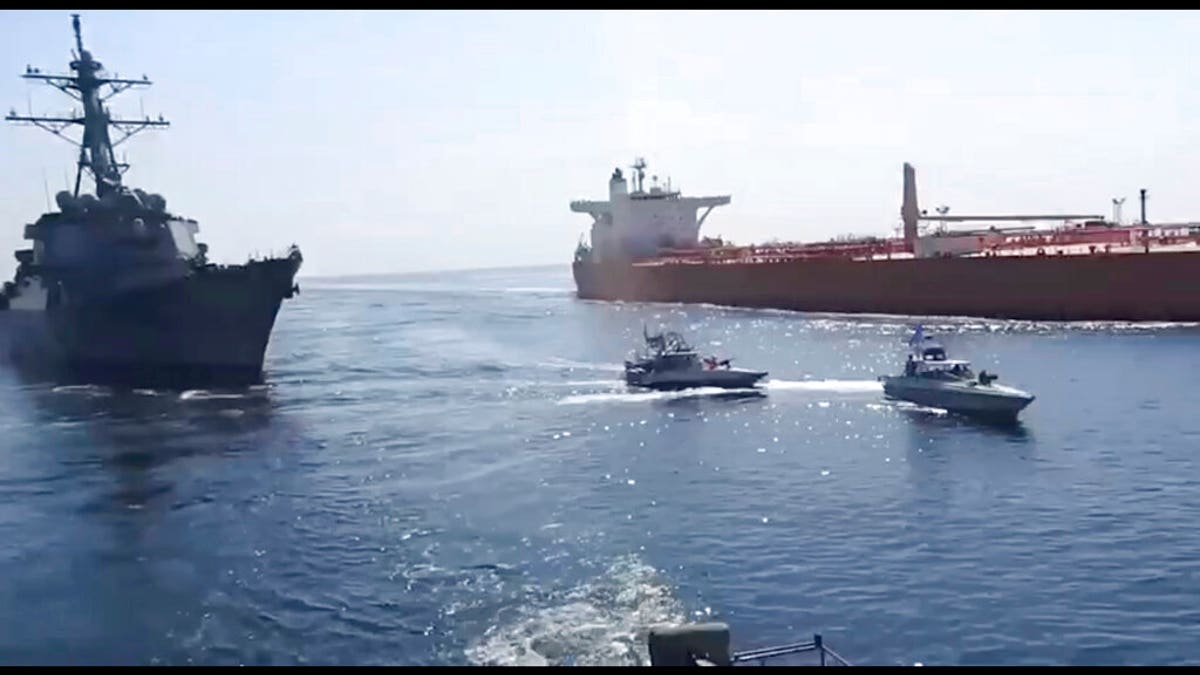
The shifting trajectory of a single Iranian Suezmax tanker is not just a maritime detour. It is a loud signal that the geopolitical math for Asian oil buyers has fundamentally changed. After weeks of hovering near Indian ports, an Iranian vessel laden with crude has reportedly turned its bow toward Chinese waters. This maneuver marks a significant pivot in how the world’s two largest oil importers handle the heat of secondary sanctions and the logistical headaches of shadow-fleet shipments.
India has effectively tightened its belt. For months, New Delhi has played a delicate game, balancing its thirst for discounted energy against the risk of alienating Washington. However, the recent diversion suggests that the threshold for risk has been crossed. Indian refiners, particularly those with significant exposure to the global financial system, are now prioritizing compliance over a few dollars of savings per barrel. China, meanwhile, remains the buyer of last resort, possessing the specialized banking infrastructure and independent refining appetite to absorb the cargo that India now finds too radioactive to handle. Meanwhile, you can find similar developments here: The Caracas Divergence: Deconstructing the Micro-Equilibrium of Venezuelan Re-Dollarization.
The Friction in the Indian Ocean
The movement of oil from Tehran to the subcontinent has never been simple, but it is becoming increasingly untenable for Indian state-owned refiners. In the past, India utilized a rupee-riyal payment mechanism to bypass the dollar-dominated financial system. That system has frayed. Indian banks are now under immense pressure to avoid any transaction that could trigger a loss of access to the SWIFT network or invite the scrutiny of the U.S. Treasury Department.
It is a matter of survival for these institutions. To see the full picture, we recommend the excellent analysis by Harvard Business Review.
While the Indian government publicly maintains its right to source energy from any provider to ensure national security, the private and state-owned refineries operate on a different logic. They see the fate of those who crossed the line. They see the mounting paperwork. When a tanker sits at anchor for days because a bank refuses to clear the letter of credit or a port authority demands insurance papers that the vessel cannot provide, the discount on the oil evaporates. Time is money. In this case, the time spent idling in the Arabian Sea made the Iranian crude a liability rather than an asset.
China's Indifferent Infrastructure
While India hesitates, China operates with a different set of rules. The "teapot" refineries in Shandong province are the primary destination for these orphaned cargoes. These smaller, independent processors do not have the same international footprint as Indian giants like Reliance or Indian Oil Corporation. They do not have American shareholders. They do not care about the threat of being cut off from Western capital because they never relied on it in the first place.
This creates a vacuum that Beijing is more than happy to fill.
The logistics are handled through a sprawling network of "dark fleet" vessels—ships that frequently change names, flags, and ownership to stay ahead of trackers. By the time the oil reaches a Chinese terminal, it has often been rebranded as Malaysian or Middle Eastern "blend" oil. The diversion of the ship originally intended for India proves that this system is functioning at high capacity. It is a seamless handoff in the shadow economy.
The Insurance Trap
One of the most significant hurdles for Indian ports is the issue of Protection and Indemnity (P&I) insurance. Most global shipping is covered by the International Group of P&I Clubs, which is based in London and complies strictly with Western sanctions. Iranian vessels often rely on domestic insurance or smaller, less transparent providers.
Indian port authorities have become increasingly wary of these non-standard policies. If a spill were to occur in Indian waters involving a ship with questionable insurance, the environmental and financial cleanup costs would fall squarely on the Indian taxpayer. China, by contrast, has developed its own internal mechanisms to handle these risks, or simply chooses to ignore the lack of traditional coverage in favor of securing energy flow.
The Russian Factor
We cannot look at the Iranian diversion without acknowledging the elephant in the room: Russian Urals. Since the onset of the conflict in Ukraine, India has become the premier destination for discounted Russian crude. This has created a crowded market for "sanctioned" or "discounted" oil.
Russian oil is currently more attractive to New Delhi than Iranian oil for several reasons:
- Political Cover: The trade with Russia, while criticized, operates under a specific G7 price cap mechanism that provides a semblance of a legal framework.
- Grade Compatibility: Many Indian refineries are optimized for the specific chemical makeup of Russian grades.
- Payment Stability: While not perfect, the mechanisms for paying Russia have become more established over the last two years compared to the volatile Iranian channels.
Faced with a choice between two discounted sources, India is choosing the one that carries the least amount of diplomatic and financial friction. Iran is losing its share of the Indian market because Russia is simply a more efficient partner in the current environment.
The Cost of Compliance
For the Iranian regime, this shift is a blow to their attempts at diversifying their customer base. Being entirely dependent on China gives Beijing immense leverage over pricing. If China is the only one willing to take the oil, China decides what it pays. Iran is likely being forced to offer even steeper discounts to compensate the Chinese refiners for the logistical trouble of taking a redirected cargo.
This is the reality of the modern energy market.
It is not a free market; it is a fragmented one. The global oil trade is splitting into two distinct loops. One loop is transparent, insured, and dollar-based. The other is opaque, risky, and settled in local currencies or through barter. India is trying to keep one foot in both loops, but the recent tanker diversion shows that it is increasingly being forced to pick a side.
The Shell Game of Rebranding
The "ship-to-ship" transfer remains the most common tactic in this industry. A tanker will meet another vessel in the middle of the ocean, pump its cargo across, and the second ship will then sail to its destination with a "clean" bill of lading. However, satellite tracking and increased surveillance have made this game harder to play.
The fact that this specific ship headed directly to China after failing to offload in India suggests that the "laundry" process was either unnecessary or unavailable. It indicates a level of desperation on the part of the seller to move the product quickly, even if it means telegraphing the destination to every intelligence agency in the world.
The Regional Power Play
There is a broader strategic play at work here. By absorbing the oil that India rejects, China cements its role as the economic backbone of the "resistance" economies. This deepens the reliance of Tehran on Beijing, moving beyond energy into infrastructure and military cooperation.
India’s rejection of the cargo is a signal to Washington that New Delhi is a "responsible" actor in the global financial system. It is a trade-off. India loses access to some of the cheapest oil on the planet, but it gains (or maintains) the trust of the Western financial centers that fund its tech and manufacturing sectors.
A New Map of Energy Flows
The maps are being redrawn in real-time. The Indian Ocean, once a straightforward highway for Persian Gulf crude, is now a graveyard for canceled contracts and diverted hulls. We are seeing the emergence of a permanent "sanctions-proof" supply chain that bypasses traditional hubs entirely.
This isn't just about one ship. It is about the professionalization of the shadow trade. The brokers, the insurers, and the captains involved in these diversions are becoming more adept at navigating the gaps between national jurisdictions. They are building a world where a cargo can be rejected by one superpower and swallowed by another within the span of a week, all while the physical oil never leaves the hold.
Refiners in India are watching the horizon, not for the next cheap Iranian tanker, but for the next set of Treasury Department guidelines. They have learned that in the current climate, the most expensive oil is the oil that comes with a phone call from a regulator. China has no such fear. They will continue to take the tankers that turn away from Mundra or Vadinar, building their strategic reserves on the back of India's caution.
The tanker is currently moving East. It carries two million barrels of crude, but its real weight is the message it leaves in its wake. The era of India being a reliable outlet for Iranian pressure-release is over. The tap has been turned, and the flow is now exclusively toward the Pacific.