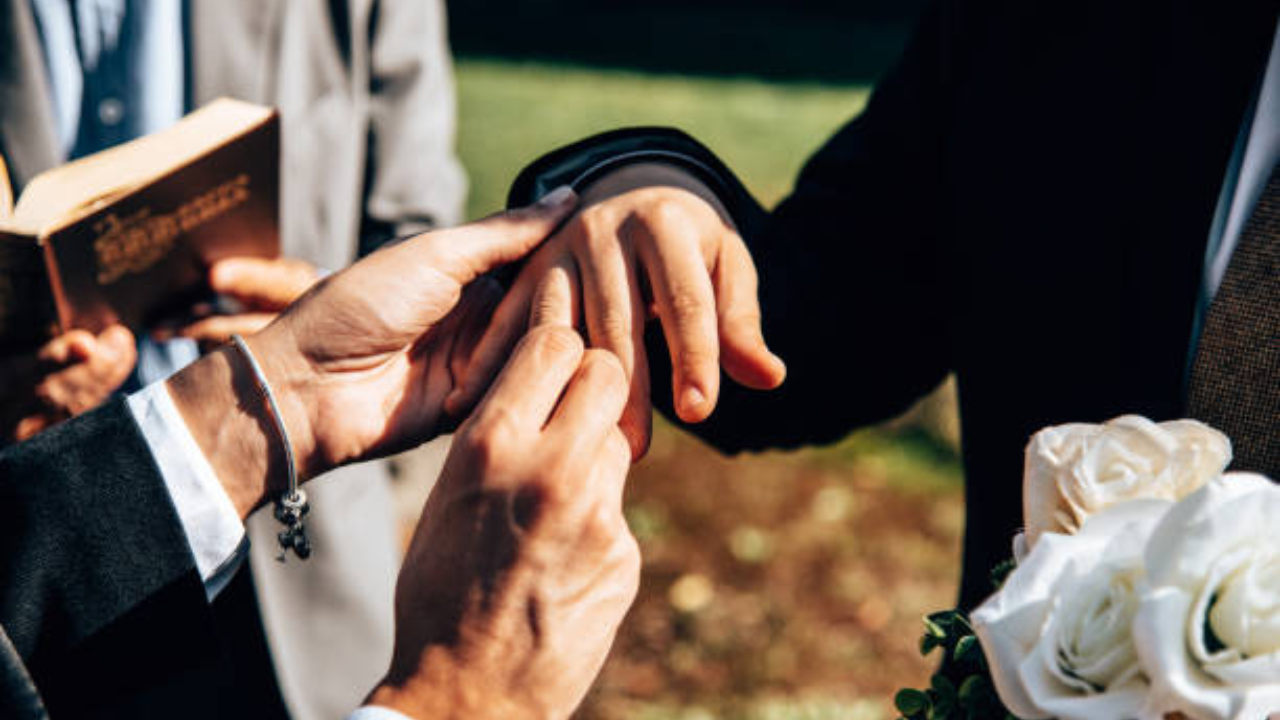
The Church in Wales just changed the game for inclusive religion in the UK. After years of debating whether to offer formal recognition to same-sex couples, the Governing Body took a definitive stance. They passed a bill allowing clergy to bless same-sex marriages and civil partnerships. It’s a massive shift. For many, it’s a moment of profound relief. For others, it’s a difficult pill to swallow. But let’s be clear about what this is and what it isn't.
This wasn't a unanimous shrug. It was a hard-fought legislative victory that required a two-thirds majority in all three houses of the church: the Bishops, the Clergy, and the Laity. They got it. The vote wasn't just close; it was a clear signal that the status quo no longer reflects the heart of the Welsh Anglican community. If you’ve been following the glacial pace of church reform, you know how rare this kind of momentum feels.
Why the Church in Wales Moved Faster Than England
People often lump the Church in Wales and the Church of England together. That's a mistake. The Church in Wales has been disestablished since 1920. It doesn't answer to the UK Parliament in the same way. It has its own governance. This independence allowed it to look at the changing social reality in Wales and act.
While the Church of England stays tangled in endless committees and "prayers of love and faith" that satisfy almost no one, the Welsh bishops decided to lead. They introduced this bill specifically to address the pain caused by the church’s previous refusal to celebrate queer joy. You can’t keep telling people they belong while simultaneously barring the door to the sanctuary when they want to say "I do."
The Bishop of St Asaph, Gregory Cameron, has been quite vocal about this. He noted that the church isn't changing its definition of marriage—not yet, anyway—but it’s providing a way to ask for God’s blessing on a legal union that already exists. It’s a middle ground, sure. But it’s a middle ground with teeth.
Breaking Down the Vote Numbers
The math behind this decision matters because it shows where the resistance still lives. To pass a bill of this magnitude, the Governing Body requires a "supermajority."
Here is how the voting broke down:
The House of Bishops voted 100% in favor. All six bishops stood united. That’s a powerful statement of leadership. The House of Clergy saw 28 in favor, 12 against, and 2 abstentions. The House of Laity, the regular people in the pews, voted 49 in favor, 10 against, and 1 abstention.
You see the pattern? The further you get from the pulpit and closer to the actual community, the higher the support. The laity are often miles ahead of the institution. They live next door to same-sex couples. They see their lives, their commitment, and their faith. They don't see a "theological problem." They see neighbors.
The Opt Out Clause and the Conscience Struggle
We have to talk about the compromise that made this pass. The bill includes a "conscience clause." No member of the clergy is forced to perform these blessings. If a priest feels it goes against their theological convictions, they can just say no.
Some activists hate this. They think it creates a "second-class" status for gay couples depending on which parish they live in. But in the world of ecclesiastical politics, this was the only way forward. It prevents a total schism. It allows the church to move forward without dragging the unwilling into a practice they can't support. It’s a messy, human solution to a complex problem.
What a Blessing Actually Looks Like
Let's get practical. If you're a same-sex couple in Wales, what does this change for you?
Previously, you could have a civil ceremony and then... nothing. Maybe a private prayer with a friendly vicar if they were willing to risk it. Now, you can have a formal service. There are authorized prayers. There is a structure. You can stand in front of your community, in a building that matters to you, and have your relationship recognized as something holy.
It isn't a "wedding" in the eyes of church law. The Church in Wales still defines marriage as between a man and a woman in its liturgy. This is a "Blessing of a Same-Sex Union." To some, that distinction is everything. To a couple who just wants to thank God for their partner, the terminology matters less than the welcome.
The Global Anglican Context
Wales didn't do this in a vacuum. The Anglican Communion is basically a global family of churches, and right now, the family is having a massive blowout argument.
Churches in the Global South, particularly in parts of Africa and Asia, are staunchly opposed to any move toward LGBTQ+ inclusion. They see the actions of the Welsh, Scottish, and American churches as a betrayal of scripture. On the other side, the "liberal" provinces argue that the Holy Spirit is doing a new thing.
By passing this bill, the Church in Wales has firmly aligned itself with the Scottish Episcopal Church and the Episcopal Church in the US. They've chosen a side. They've decided that local mission—reaching the people of Wales—is more important than maintaining a fragile, global consensus that requires the exclusion of their own members.
The Impact on the Church of England
The pressure on London just jumped ten points. The Church of England often looks to its neighbors to see what's possible. Now that Wales has successfully navigated a vote without the sky falling, the "Living in Love and Faith" process in England looks even more sluggish.
The Welsh example proves that you can have a robust theological debate, acknowledge the pain on both sides, and still make a decision. Indecision is a choice in itself, and it’s one that’s currently costing the Church of England its credibility with younger generations.
Facing the Critics
Critics of the bill argue that the church is simply "conforming to the world." They quote Leviticus or Romans and claim the church has lost its way.
But if you look at the history of the church, it’s always "conformed" as it understood more about the human condition. We don't support slavery anymore. We allow remarriage after divorce. We ordain women. Each of those steps was met with the exact same "the world is ending" rhetoric we're hearing now.
The Church in Wales isn't following a trend. It's responding to a pastoral reality. It's acknowledging that a stable, loving, committed same-sex relationship can reflect the love of God. That’s a theological claim, not just a social one.
What Happens Now
The rite for the blessing is now available for use. It’s an experimental period, technically, but the door is open.
If you are a member of a Welsh parish, here is what you should expect. You’ll likely see more diverse couples at the altar. You might see some clergy leave for more conservative denominations. You’ll definitely see a lot of local discussion about what "inclusion" actually means in practice.
If you’re a couple looking for a blessing, your first step is simple: talk to your vicar. Because of the conscience clause, you need to know where your local priest stands. If they aren't comfortable performing the service, the church is expected to help you find a neighboring priest who is.
Don't let the legalistic language of "bills" and "governing bodies" distract you from the human element. This is about families. It’s about grandmothers seeing their grandsons blessed in the church they grew up in. It's about taking the shame out of the sanctuary.
The Church in Wales took a risk. They chose people over institutional tidiness. It’s a move that will likely define the tenure of the current bench of bishops and set the tone for Welsh Christianity for decades.
If you want to support this transition, show up. If your local church is hosting a blessing, be there. The best way to silence the critics is to show that these services are filled with the same grace and solemnity as any other. Change doesn't happen just by passing bills; it happens when the community breathes life into those new laws.