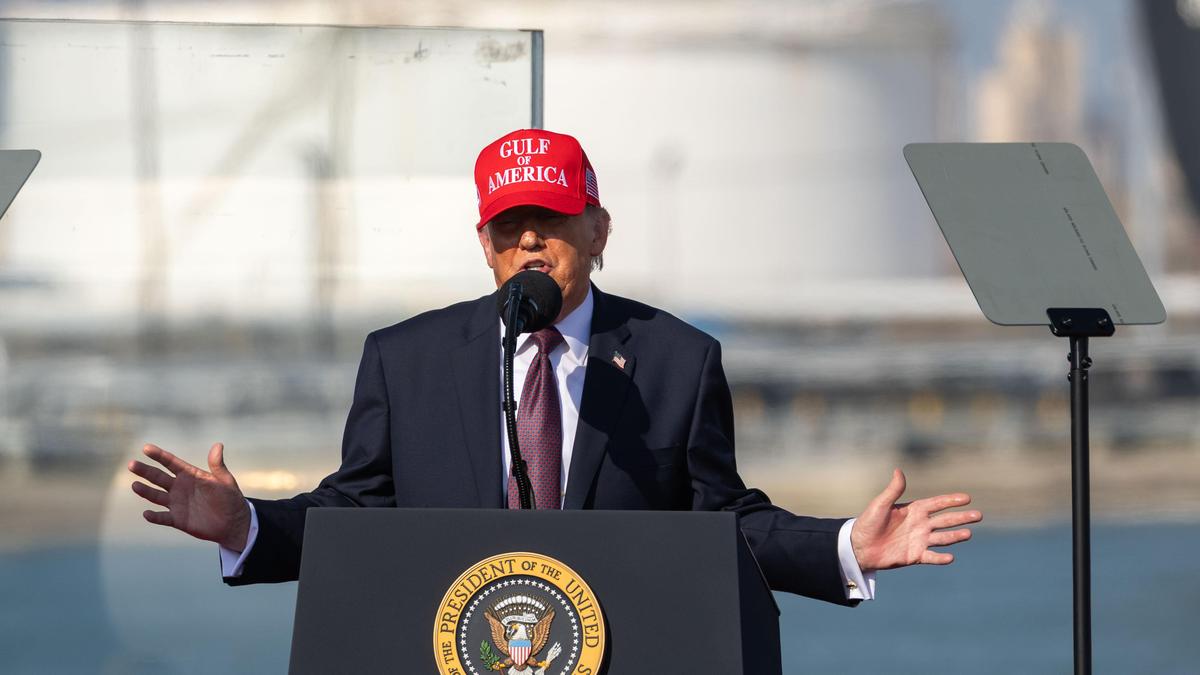
When a leader announces “major combat operations,” the phrase carries a specific, terrifying weight. It conjures images of full-scale invasions, ground troops moving across borders, and sustained, high-intensity warfare. But in the age of rapid-fire digital communication and geopolitical shadow boxing, words are often used as tools of pressure rather than accurate military descriptions.
President Donald Trump recently used this exact language to describe the initiation of operations against Iran, labeled "Operation Epic Fury." The administration framed the strikes as a necessary response to decades of proxy attacks, nuclear ambitions, and regional destabilization. However, if you look past the eight-minute video address on Truth Social, the reality of the situation is far more layered than a simple binary of "peace" versus "total war."
Understanding the Shift in Rhetoric
We have seen this pattern before, but the scale has fundamentally changed. When we hear talk of "major combat," we typically think of something like the 2003 Iraq War. Yet, the current reality involves a joint U.S.-Israel campaign using air-launched munitions and cruise missiles to target specific missile infrastructure, naval assets, and command centers.
This isn't an invasion in the classic sense. It is a calculated effort to degrade capability without necessarily putting boots on the ground in a sustained occupation. The administration's goal, as articulated by the President, isn't just "punishment"—it is explicitly framed as an opportunity for the Iranian people to pivot toward a new government. That’s a bold, high-stakes gamble. It assumes that dismantling the current security apparatus creates an immediate power vacuum that favors opposition groups, rather than causing the state to circle the wagons or fracturing into chaotic, smaller conflicts.
The Cost of the Escalation
One of the most dangerous misconceptions is that these strikes happen in a vacuum. They don't. Iran possesses significant retaliatory capabilities, and the prompt response—strikes on U.S. bases in the region and Israel—proves that the "off-ramp" isn't as easily accessible as some strategists might have hoped.
When a government initiates strikes of this magnitude, it has to account for several immediate variables:
- Regional Instability: Proxy groups in Lebanon, Yemen, and Iraq aren't passive observers. They are active participants.
- Energy Prices: Markets hate uncertainty. Any threat to shipping lanes, especially through choke points like the Strait of Hormuz, causes global oil and gas prices to spike.
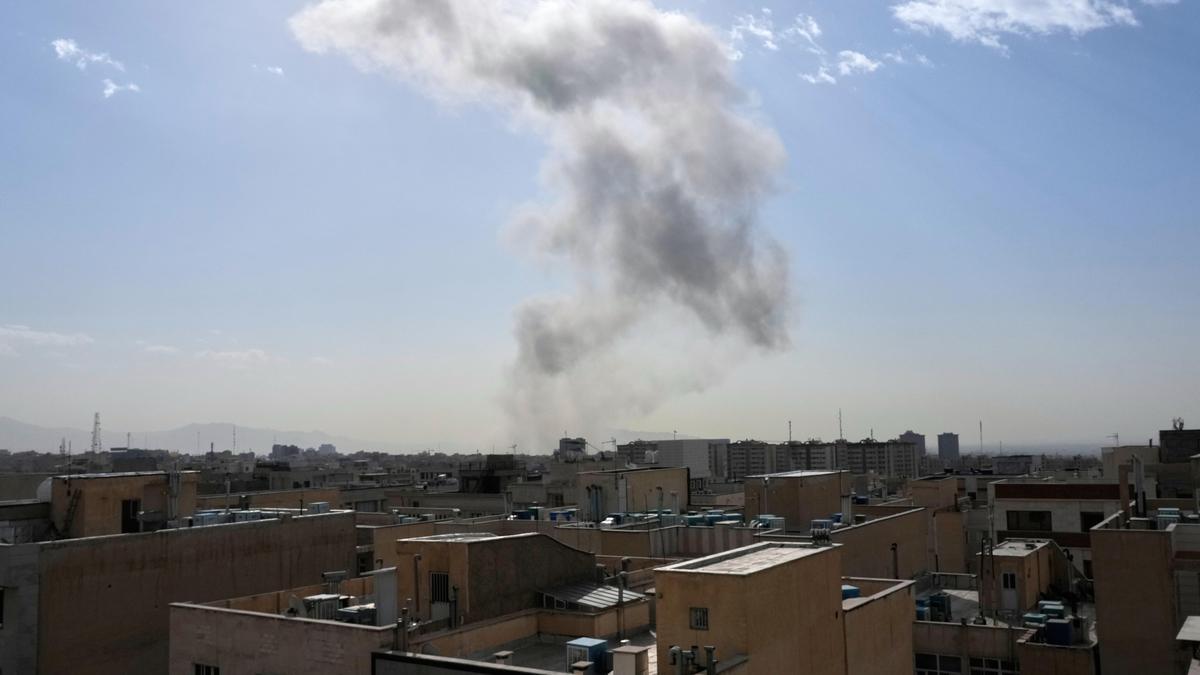
- Civilian Safety: The rhetoric of "stay sheltered" isn't just advice; it’s a grim recognition of the reality of urban aerial bombardment.
The administration is betting that the Iranian regime will break before the U.S. and its allies exhaust their political will or economic patience. It’s an exercise in "maximum pressure" on steroids.
Why the Legal and Political Argument Matters
You’ll see plenty of pundits arguing about "war powers" and congressional approval. While these discussions often feel academic, they actually speak to the long-term sustainability of the operation. If a conflict is initiated without a clear, public legislative mandate, it becomes incredibly fragile when the first round of domestic criticism arrives.
We are already seeing this friction. Lawmakers are divided. Some argue that protecting American interests and stopping a nuclear-armed Iran is a moral and strategic imperative that justifies any necessary force. Others worry that this is an unauthorized act of war that risks dragging the U.S. into another multi-year entanglement, regardless of how "clean" the initial strikes were.
The fundamental issue isn't whether the strikes were "justified" in the eyes of the current administration; it's whether the strategy is executable. If you degrade the missile industry today, does that solve the underlying political resentment that fuels the regime? History suggests that military force alone rarely changes the soul of a nation.
How to Follow the Situation Rationally
It’s easy to get lost in the doom-scrolling of a breaking conflict. If you want to understand what is actually happening versus the PR messaging, focus on a few key indicators:
- Retaliation vs. Escalation: Watch whether the response from Iran is purely symbolic or if it targets critical infrastructure. A "measured" response often indicates that both sides are still trying to avoid a total systemic collapse, even while throwing punches.
- Congressional Sentiment: Pay attention to which way the wind blows in Washington. Support for the operation will likely be tied directly to the number of casualties and the economic fallout at home.
- The Role of Mediators: Look for signals from countries that historically act as back-channel intermediaries. If they go silent, the conflict is likely entering a phase where the only path forward is military.
Don’t let the term "major combat" paralyze your analysis. It is a term designed to signal strength and finality. But in the real world of international relations, the "combat" is usually just the opening move in a much longer, much more complicated game. Keep your eyes on the long-term strategic outcomes, not just the latest video address. Real change, if it comes, will happen in the weeks and months after the smoke clears, not during the initial explosions.