Your teenager drops their phone. Or worse, someone snatches it right out of their hands. Within minutes, tracking apps pinpoint the missing device. It is not at a pawn shop or a random house. It is directly under the street grid, pulsing its GPS coordinates from deep inside the city sewer lines.
Most people would call the police or accept the loss. But one tech-savvy father took matters into his own hands, descending into a municipal drainage system to hunt down his daughter's stolen phone. The video of his underground rescue mission quickly went viral, racking up millions of views and praise for his extreme parental dedication.
Don't let the internet applause fool you. Chasing a digital signal into underground infrastructure is an incredibly dangerous stunt that highlights a growing, risky trend: civilians using tracking tech to play detective.
The Reality of Tracking Tech Meets City Infrastructure
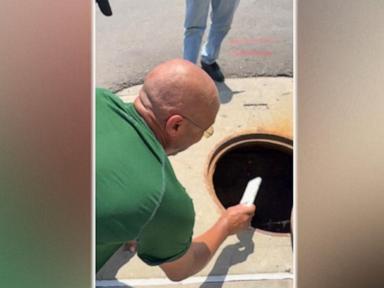
When a phone gets dumped down a storm drain or shoved into a sewer grate by a thief trying to ditch the evidence, tracking apps like Apple's Find My or Google's Android network still broadcast a location. The dad in the viral video used these exact real-time coordinates to trace the device to a specific street corner, pulled up a heavy metal grate, and climbed down into the dark.
It makes for great social media video. You see the grime, the flashlight beam cutting through the damp air, and the triumphant retrieval of a expensive piece of glass and aluminum.
But public works experts look at that footage with sheer terror. Municipal sewer systems are tightly regulated spaces for a reason. They aren't just dirty; they are hazardous environments that require specialized training and equipment to enter safely.
Why the Underground is Deadlier Than It Looks
The biggest mistake regular citizens make when tracking a device into a drainage trench or sewer line is assuming the only risk is getting a little muddy. The actual dangers are invisible, unpredictable, and fast-acting.
Toxic Atmospheric Gasses
Sewers are notorious for collecting lethal pockets of gas. Organic waste breaks down and generates hydrogen sulfide, methane, and carbon monoxide. Hydrogen sulfide is particularly insidious because it deadens your sense of smell after a single breath. You think the air is fine, then you lose consciousness within seconds.
Oxygen Deficiency
Enclosed underground spaces frequently suffer from low oxygen levels. Without proper testing equipment, you have no way of knowing if the air inside a pipe can actually sustain life. By the time you feel dizzy, you are often too weak to climb back out of the manhole.
Flash Flooding Risks
Storm drains and sewers can fill up with terrifying speed. A sudden downpour miles away can send a wall of fast-moving water rushing through the exact pipe you are crouched in. You can easily get swept away or pinned against a debris screen.
Disease and Biologics
City wastewater carries heavy loads of harmful bacteria, viruses, and parasites. A small cut on your hand from pulling a grate or crawling over concrete can expose you to severe infections like Leptospirosis or tetanus.
The Problem With Playing Tech Detective
This viral sewer mission is part of a broader, troubling shift in how we handle stolen property. Ever since cheap tracking tags and highly accurate phone tracking networks rolled out, ordinary citizens have started bypassing law enforcement altogether.
We see it constantly: people tracking air tags to sketchy motels, confronting car thieves at gas stations, or, in this case, diving into public utility systems.
It is easy to understand the frustration. Phones are expensive, holding years of personal photos, passwords, and banking apps. When police departments treat a stolen phone as a low-priority property crime, victims feel forced to act.
But tracking tech only shows you where an object is. It doesn't tell you who is with it, what dangers are waiting at that location, or whether the environment is physically safe. The dad in the video got lucky. He found the phone, avoided toxic gas, and didn't get stuck. Next time someone tries to replicate the stunt, the headline might be a tragedy instead of a viral video.
What to Do If Your Phone Ends Up in a Dangerous Spot
If a tracking app shows your missing phone is stuck in a sewer, an abandoned building, or a dangerous neighborhood, you need to change your strategy immediately. Stop looking at the device as something to rescue and start treating it as a security liability.
- Lock it down instantly: Log into your account from a computer or another device and put the phone into Lost Mode. This locks the screen, disables your digital wallet, and displays a custom message on the front of the device.
- Wipe the data remotely: If the phone holds highly sensitive corporate data or personal information, trigger a remote factory reset. The moment the phone connects to a cellular or Wi-Fi network, it will erase itself completely.
- Notify the experts: If the phone dropped through a street grate by accident, call your local public works department or non-emergency city helpline. Utility crews have the gas meters, harnesses, and protective gear required to safely retrieve items from the drainage system.
- File a report: Give the tracking data to the police. Even if they don't dispatch an officer immediately, the location history helps build a case if a specific area is a known dumping ground for local thieves.
An expensive smartphone can be replaced by insurance or an upgrade plan. Your life can't. Leave the subterranean exploration to the professionals who actually have the gear to survive it.