The room where they sit does not care about the heat of the desert or the terror of a sirens’ wail. It is lined with wood that has absorbed two centuries of smoke and polite compromises, tucked away in a corner of Switzerland where the water of the lake is dangerously still. Outside, the alpine air is crisp. Inside, the air is heavy with the scent of stale espresso and the quiet friction of dark wool suits.
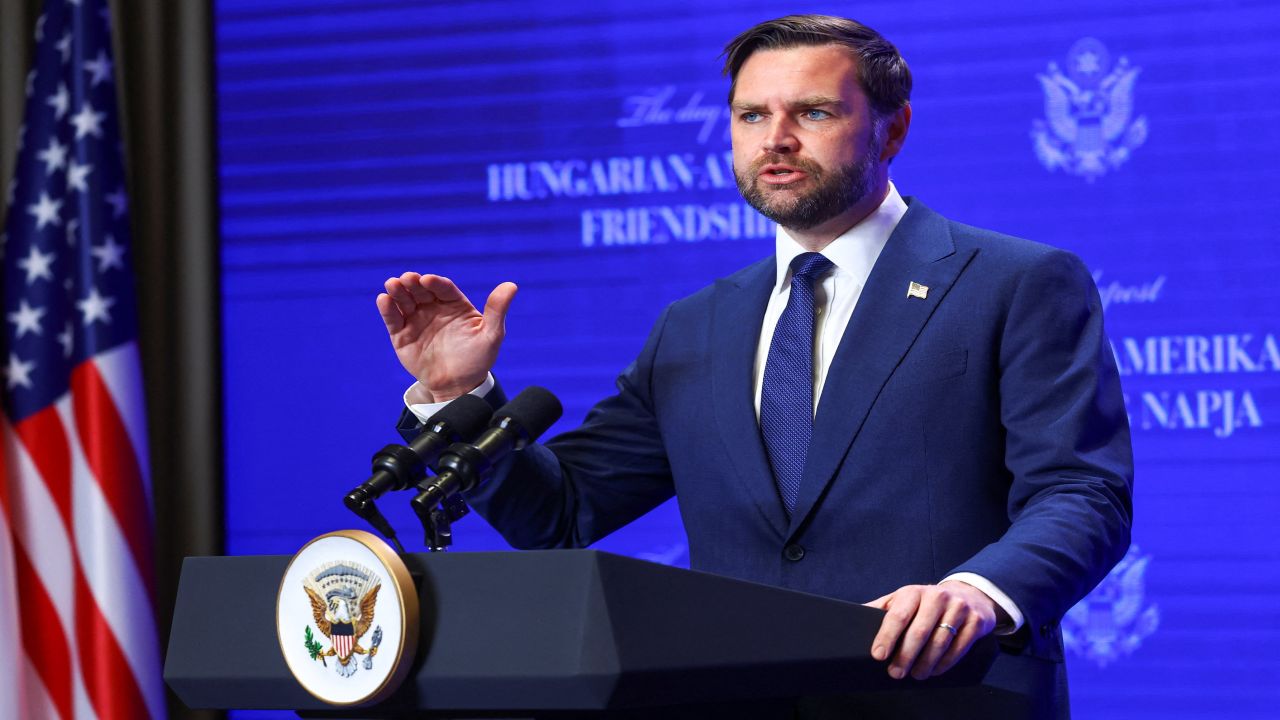
JD Vance adjusts his cuffs. He looks at a digital clock on the wall, its red digits shifting with cold, mechanical precision. For weeks, the headlines have screamed of an escalating abyss, of missiles tracing arcs across the night sky of the Middle East, of a regional flashpoint threatening to spill into something global and untamable. But here, the crisis is reduced to paper. It is a stack of white briefing binders, a map marked with hypothetical strike zones, and the low hum of an air conditioner.
This is how the machinery of geopolitical brinkmanship actually works. It is not fought with theatrical shouts. It is argued in whispers by tired people who have not slept more than three hours a night since the latest cycle of violence began.
The immediate task on the table is deceptively simple, yet mathematically agonizing: secure a ceasefire in Lebanon and halt a nuclear enrichment program that is currently spinning closer to weapons-grade capability by the hour.
The Calculus of Near-Misses
To understand why these Switzerland talks carry a weight that feels almost physical, you have to look past the official press releases. You have to look at the invisible lines that connect a drone factory in central Iran to a civilian bunker in Beirut, and ultimately, to a taxpayer in Ohio.
Consider a hypothetical family living on the outskirts of Tyre, in southern Lebanon. For them, geopolitics is not an abstract debate about regional hegemony. It is the specific vibration in their floorboards when a fighter jet breaks the sound barrier overhead. It is the calculation of whether they have enough fuel in the sedan to reach the north if the highway stays open for another two hours.
When Vance speaks to reporters outside the plenary room, noting that the nuclear issue and the Lebanese border are the "absolute peaks" of the agenda, he is trying to manage two entirely different types of time.
The first is the fast clock. That is the tactical reality on the ground in Lebanon. Rocket barrages, defensive interceptors, and the constant threat of a ground miscalculation that drags thousands of troops into a meat grinder. A ceasefire here is a temporary tourniquet. It stops the bleeding, but it does not heal the wound.
The second is the slow clock. That is the centrifuge cascades spinning in deep underground facilities like Fordow and Natanz. It is quieter, but infinitely more lethal. Every revolution of those carbon-fiber rotors increases the purity of uranium hexafluoride gas. If that clock runs out, the entire geometry of the Middle East changes permanently. A nuclear-armed state in the region means deterrence becomes a razor-thin tightrope where a single radar glitch could trigger a preemptive cataclysm.
The tragedy of diplomacy is that you cannot fix the slow clock while the fast clock is exploding in your face.
The Ghost at the Table
There is a particular vulnerability in admitting how fragile this process is. For decades, Western foreign policy has operated on the assumption that if you apply enough economic pressure, the other side will eventually break. But pressure alone does not create a backdoor; it often just reinforces the walls.
During a break in the afternoon session, a senior diplomatic aide walks out to the courtyard, staring at the distant mountains. "The hardest part isn't the disagreement," they whisper, speaking on the condition of anonymity to discuss the raw mood inside. "The hardest part is that neither side believes the other has the internal political permission to make a deal. Everyone is performing for an audience back home."
That is the ghost haunting the Swiss hotel. In Washington, any concession is branded as weakness by domestic rivals waiting to pounce. In Tehran, any step back is viewed as a betrayal of a revolution that has staked its identity on resistance.
So the negotiators trade semantic definitions. They argue over the difference between a "suspension of hostilities" and a "permanent cessation." They debate whether a monitoring team should be comprised of United Nations personnel or independent regional observers.
Meanwhile, the numbers do not lie. International inspectors have already noted that the enrichment levels have crossed thresholds that have no credible civilian application. To explain this simply: it is like a neighbor buying an industrial-grade furnace for a suburban kitchen. You can accept their explanation that they are just baking bread, but the structural heat tells a completely different story.
What Stays When the Lights Go Out
By midnight, the Swiss streets are empty. The reporters have filed their evening packages, using standard phrases about "cautious optimism" and "complex dynamics."
But behind the closed doors, the human reality remains. The people in that room are hyper-aware that their failure is measured in funerals. If the talks stall, the orders are sent. The targets are loaded into flight computers. The ships in the Mediterranean shift their positioning by a few crucial degrees.
It is easy to become cynical about these summits. We have seen them before, held in various European capitals, yielding agreements that dissolve before the ink is dry. Yet, they are the only alternative to a landscape of ash.
Vance emerges one final time before the building locks down for the morning. His expression is unreadable, a mask of calculated neutrality. He says nothing to the remaining photographers. He simply gets into the rear seat of an armored suburban, the door shutting with a heavy, vacuum-sealed thud that cuts off the sound of the world outside.
The red digital clock on the wall inside the hotel keeps ticking, indifferent to whether anyone is watching.