International atomic watchdogs are packing their bags for Iran again, but don't count on a smooth ride.
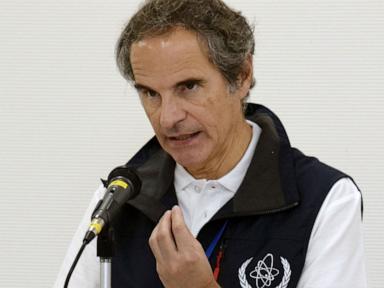
The head of the International Atomic Energy Agency (IAEA), Rafael Mariano Grossi, just confirmed from Japan that his teams will soon step back into Iran’s highly sensitive uranium enrichment hubs. It’s a core condition of the fragile interim ceasefire signed by Washington and Tehran.
Yet, the ink on that Memorandum of Understanding isn't even dry, and the whole plan is already tangled in a high-stakes war of words.
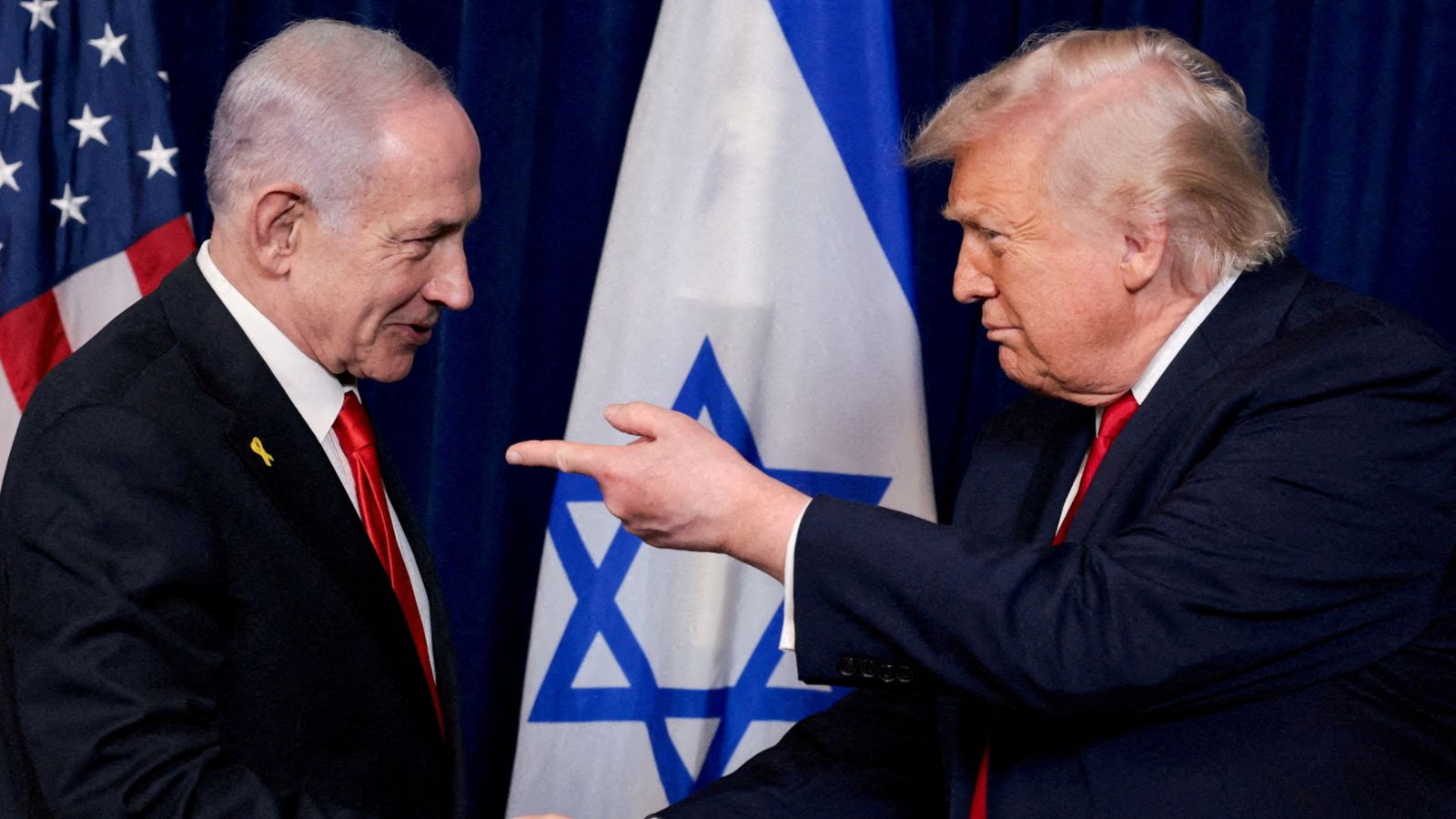
If you read the official statements out of Washington, Donald Trump insists Tehran has fully agreed to the "highest level" of inspections "long into the future." Flip over to Tehran, and Iranian Deputy Foreign Minister Kazem Gharibabadi fired back on social media, dismissing the American narrative as "media hype" and stating inspections will only happen after a final deal that drops all sanctions.
This deep disconnect shows why the upcoming inspections are anything but a done deal.
The Core Deficit of Trust at Natanz and Fordow
To understand why these inspections matter right now, you have to look at what happened over the last year. Following the destructive 12-day war in mid-2025—which saw heavy airstrikes hit major complexes like Natanz, Isfahan, and Fordow—Tehran slammed the door on UN inspectors trying to access its enrichment facilities.
While the IAEA kept limited eyes on non-targeted civilian installations like the Bushehr nuclear power plant, they've been blind to the underground enrichment cascades for roughly a year.
That blindness is terrifying for non-proliferation experts. Iran is currently the only nation in the world actively refining uranium to 60% purity without a declared military weapons program. For context, commercial nuclear power only requires about 3% to 5% purity. Weapons-grade material sits around 90%.
When you possess a massive stockpile of 60% enriched uranium hexafluoride gas ($UF_6$), climbing that final hill to 90% is technically short and fast. Intelligence estimates suggest Iran's current stockpile holds enough material to rapidly spin up as many as 10 nuclear bombs if leadership gives the green light.
Without physical boots on the ground, Grossi’s agency cannot verify a crucial metric: whether Iran has secretly moved portions of that highly enriched inventory to hidden, undeclared locations.
Reading Between the Lines of Grossi's Strategy
Speaking from the Fukushima Daiichi nuclear plant on Wednesday, Grossi tried to cut through the political noise. He didn't flinch at the contradictory statements coming from both governments. Instead, he anchored his position directly to the legal framework signed by both presidents.
"I can understand political statements, they are part of the reality," Grossi told reporters. "The accord says explicitly that the nuclear activities that are going to be carried out with regards to the nuclear material facilities will be supervised by the IAEA — in all letters."
Grossi is playing the long game here. By downplaying the immediate timeline—saying whether it happens "the day after tomorrow or in ten days" is secondary to the fact that it will happen—he's trying to give both sides space to save face.
But the technical reality inside those bombed facilities is messy. When U.S. B-2 bombers dropped GBU-57 bunker-buster munitions on these sites last year, they shattered above-ground power grids, backup generators, and electrical sub-stations.
Even if the deep underground cascade halls escaped direct physical destruction, the sudden, violent loss of electrical power often causes centrifuges spinning at supersonic speeds to crash and self-destruct.
Inspectors aren't just walking into a political minefield; they're walking into a physical hazard zone filled with potential chemical toxicity from ruptured uranium gas cylinders.
The Real Terms of the 60-Day Clock
The current interim deal gives the U.S. and Iran a tight 60-day window to turn a shaky ceasefire into a permanent treaty. The trade-off looks simple on paper:
- Iran must downblend and dilute its stockpile of highly enriched uranium.
- The U.S. waives major sanctions choking Iranian oil exports.
But the geopolitical reality is incredibly fragile. The regional proxy conflicts haven't stopped. Skirmishes between Israel and Hezbollah in Lebanon recently prompted Tehran to briefly threaten another closure of the strategic Strait of Hormuz.
If shipping lanes close or regional violence spikes again, the entire diplomatic floor drops out. Technical talks are slated to restart next week at the Bürgenstock resort in Switzerland with Pakistan mediating, but the diplomatic path forward is incredibly narrow.
What Happens Next on the Ground
If you're tracking this situation, ignore the bluster from politicians in Washington and Tehran. The real indicators of progress will happen away from the cameras. Watch for these specific markers over the next two weeks to see if the deal holds:
- The Cairo Framework Activation: Look for whether Iran grants visas specifically to the IAEA’s top centrifugal enrichment specialists, not just general safeguards inspectors.
- Logistical Re-entry: Watch for the delivery of new, tamper-proof IAEA monitoring cameras and environmental sampling kits to the Natanz and Fordow perimeters.
- Oil Fleet Movement: Track whether Western maritime tracking data shows a sudden surge in Iranian crude tankers clearing ports without facing secondary U.S. financial penalties.
If those three steps stall, the interim agreement is effectively dead, and the region will slide right back toward open conflict.