An analyst sits in a windowless room in Virginia, zooming into a patch of desert southeast of Tehran. The screen displays a grid of pixels captured by a commercial satellite humming hundreds of miles above the Earth. To an untrained eye, it is just a blur of beige and gray. To the analyst, it is a crime scene where the suspect is holding a shovel.
The focus is on a spot called Taleghan 2, nestled inside the massive Parchin military complex. Not long ago, it was a ruin. Precision strikes had punched jagged, cavernous holes through its roof, leaving the highly sensitive research facility exposed to the elements. For a moment, the world breathed a sigh of relief. The machinery of a subterranean weapons program had been shattered.
Then came the June 17 memorandum. It was a fragile, diplomatic band-aid—an agreement between Washington and Tehran designed to freeze hostile maneuvers and buy the world some time. For a brief window, diplomacy was supposed to be the only thing moving.
But the pixels tell a different story.
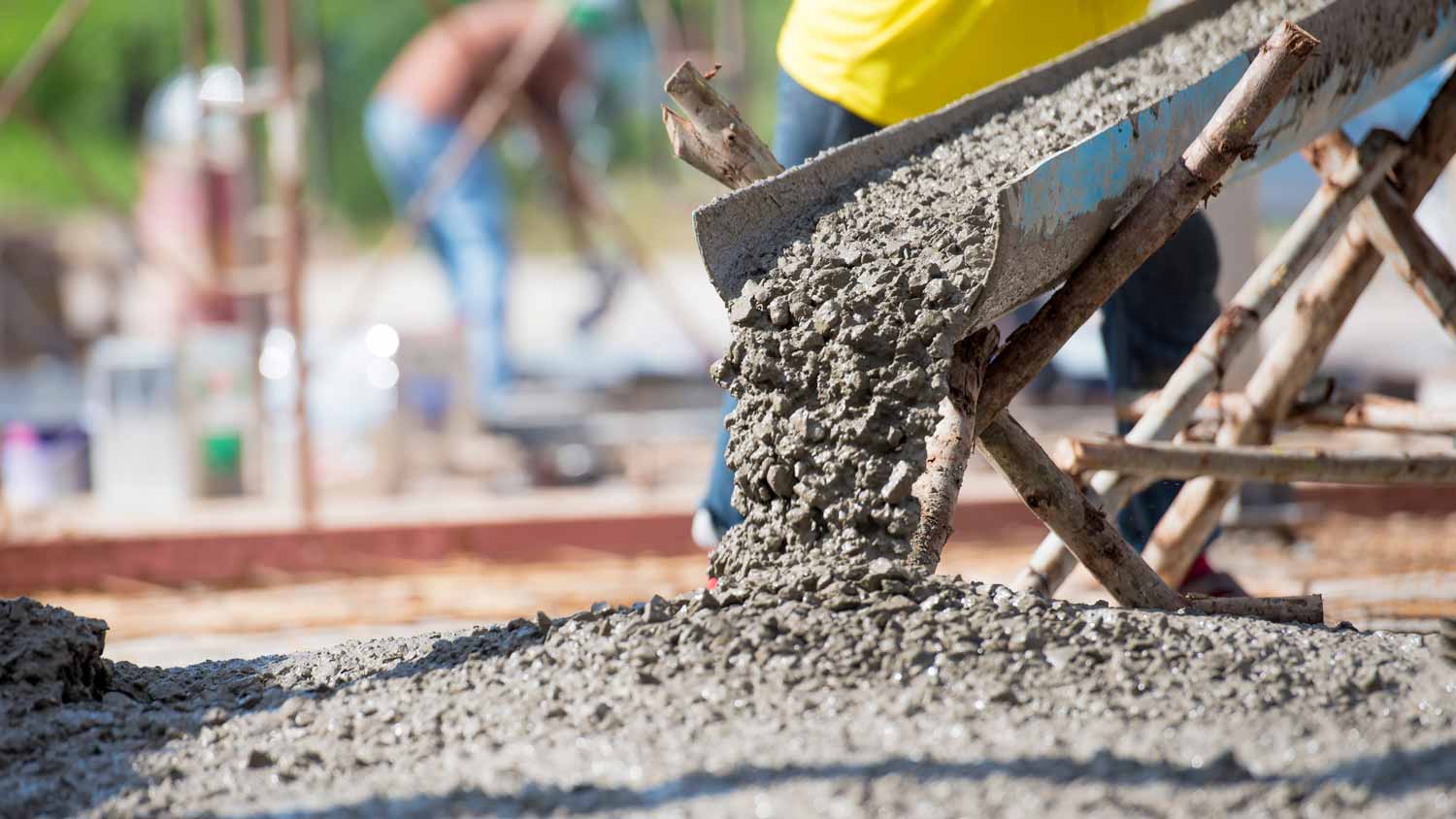
Between June 22 and July 7, while the ink on that international agreement was still fresh, the desert floor came alive. The satellite data, carefully parsed by imagery firms, revealed unmistakable geometric shifts. Debris disappeared. Heavy cranes materialized. Flat beds rolled in, leaving deep track marks in the dust. Most telling of all was the sudden appearance of fresh concrete and reinforced steel mesh—rebar—being laid directly over three massive bomb penetration holes.
This is not a cleanup crew. It is a reinforcement project.
The physical reality of international security is often surprisingly mundane. It is made of aggregate, water, and cement. When a government pours a heavy concrete cap over an underground testing site, they are not just fixing a roof. They are building a shield. They are ensuring that the next time a bunker-buster missile arrives, the ground beneath will hold.
Consider the paradox confronting global inspectors. While politicians trade barbs at the United Nations, a parallel reality unfolds in the shadows of places like Pickaxe Mountain near Isfahan. Satellite imagery from the exact same period showed a steady stream of utility vehicles entering and exiting subterranean tunnels. Farther north, entire facilities have been rapidly outfitted with new panel roofs.
On paper, a roof is just a shelter from the rain. In the high-stakes game of nuclear verification, a roof is a blindfold. By covering the rubble of damaged centrifuge manufacturing plants and enrichment halls, Tehran effectively blocks the orbital eyes of the West. It creates a localized vacuum of information. Are they salvaging highly enriched uranium from the debris? Are they quietly reinstalling undamaged machinery?
Without boots on the ground, the international community is left guessing. The International Atomic Energy Agency cannot see through solid steel paneling, and the local authorities are not offering guided tours.
The diplomatic fallout was instantaneous. On Wednesday, the fragile memorandum of understanding was declared dead, torn apart by the friction of what was happening on the ground versus what was promised on paper. Fresh sanctions were promptly slapped onto a web of Iranian financial exchanges stretching from Tehran to Dubai and Hong Kong. Factions within Iran are already trading blame as rolling summer blackouts worsen and the local currency plummets, making the cost of basic survival an agonizing math problem for ordinary families who have never even seen a centrifuge.
But the concrete continues to cure in the desert heat.
We often view geopolitical crises through the lens of grand strategy, as if nations are merely playing a bloodless game of chess. We forget that the board is made of earth, and the pieces are moved by human hands driving bulldozers in the dead of night, racing against the orbit of a camera. The real danger is never the sudden explosion; it is the quiet, deliberate piling of dirt over a tunnel entrance until the world simply forgets what was buried underneath.

.webp)