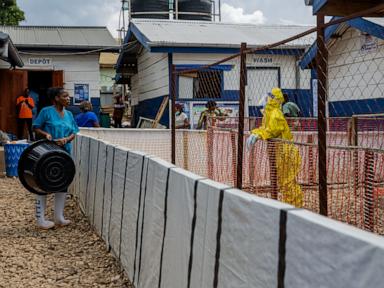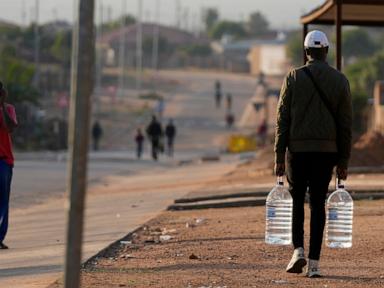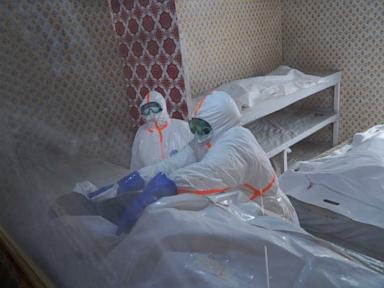
Community transmission in the Democratic Republic of the Congo has blown past 11,000 confirmed cases, and cross-border cases have already popped up in other countries. That isn't a theoretical risk anymore. It's happening right now.
If you've been watching headlines about Ebola spreading out of the DRC, you're probably wondering how bad things really are outside Congo and whether border checks are actually working. Here's the short answer: the worst of the surge sits inside eight DRC provinces, where over 11,300 confirmed cases and more than 5,500 deaths have been recorded. Elsewhere, health agencies have caught cases fast and shut down spread in some spots, though flare-ups in Kenya and Nigeria kept responders busy through October and November.
What's Happening Inside the DRC and Across Borders
This outbreak is driven by the Bundibugyo virus, and its pace inside the DRC has stunned public health teams. Unlike past Congo outbreaks that crawled for months before hitting four digits, this one crossed 1,000 confirmed cases within 40 days of response activation. By mid-November 2026, cases had spread across 67 to 68 health zones in eight provinces—including Ituri, Nord-Kivu, Sud-Kivu, Tshopo, Haut-Uélé, Bas-Uélé, Sud Ubangi, and Nord Ubangi.
Children are taking a brutal hit. According to World Health Organization Director-General Tedros Adhanom Ghebreyesus, children make up more than a quarter of confirmed cases and a third of deaths, and seven out of ten confirmed cases in children under five have been fatal. When you've spent years working around hemorrhagic fever responses, seeing that kind of toll in young kids changes the urgency in every briefing room.
Outside the DRC, the picture looks very different from place to place:
- Uganda: Cases linked to the outbreak were reported early on, including in Kampala, and the outbreak there has since ended after the required 42-day countdown.
- France: An imported case was reported and controlled, with no ongoing local spread.
- Kenya: Nine confirmed cases and two deaths were reported in Nairobi, all tied to an initial imported case among relatives and healthcare workers. By mid-November, seven patients had recovered and all identified contacts had finished monitoring.
- Nigeria: One confirmed case with travel history to Uganda was reported in October in Abuja, medically evacuated to Switzerland, and discharged in November after 62 contacts completed monitoring.
Some news roundups frame this as a four-country spillover, while tracker tallies counting France alongside African nations note five countries involved overall. Either way, the core takeaway is clear: exported cases have happened, yet strong contact tracing and isolation stopped sustained community chains outside the DRC.
Why Bundibugyo Spreads Differently Than Zaire
People often treat all Ebola outbreaks like they're the exact same virus. They aren't. Bundibugyo ebolavirus is one of the species in the Orthoebolavirus genus, separate from Zaire ebolavirus—the species behind the massive 2014–2016 West African epidemic and the 2018–2020 DRC outbreak.
In general, Bundibugyo has historically carried a lower average case fatality rate than Zaire ebolavirus, yet in this 2026 wave the crude case fatality rate in the DRC has hovered right around 48% to 49%. Why so high? Delays in reaching care, strained clinics across eight provinces, and high mortality among young children all push that number up.
There's another catch that clinicians and policymakers have to be straight about: there is currently no approved Bundibugyo-specific vaccine or targeted antiviral therapy. Phase 2 and Phase 3 vaccine and therapeutic trials are underway, which is vital progress, but responders can't lean on a licensed Bundibugyo shot the way they can for Zaire. That means supportive care—fluids, electrolyte balance, oxygen, and treating secondary infections—plus rapid isolation do the heavy lifting.
The Mistakes Countries Make When Borders Get Nervous
Whenever a hemorrhagic fever crosses a border, two bad habits show up fast. First, travelers panic about catching it on an airplane. Second, governments slap down sweeping travel bans.
Let's be honest about the biology. Ebola isn't airborne. You don't catch it by sitting next to someone who isn't showing symptoms on a flight. Transmission happens through direct contact with blood or body fluids of a person who is sick with or has died from Ebola, or via contaminated materials. Risk to travelers and people far from affected zones remains low, though authorities have put screening and traveler attestation rules in place—such as U.S. rules requiring 21-day DRC travel attestation on international flights and level-based travel notices for affected areas.
Blanket border closures sound tough on paper. In practice, they often backfire. When flights get cut or borders slam shut without coordination, people look for informal routes, supply chains for protective gear and lab reagents slow down, and governments risk losing transparency out of fear of economic punishment. The World Health Organization and European Centre for Disease Prevention and Control have emphasized targeted surveillance, rapid diagnostics, and cross-border cooperation over blunt isolation.
What to Watch Next and What You Can Actually Do
Data in fast-moving outbreaks always has lag. Lab confirmations take time, evacuations and overseas care shift where cases are tallied, and remote health zones report unevenly. Watch three practical signals over the coming weeks: whether new health zones keep lighting up inside the DRC, whether 21-day contact monitoring windows close cleanly in Kenya and Nigeria, and how child survival rates respond as treatment units scale up.
If you're traveling internationally, planning aid or clinical work, or just trying to stay grounded without doomscrolling, take these concrete steps:
- Check official travel advisories before you book: Look up current destination notices from the CDC or your national health agency so you know if a region carries a Level 4 ("Avoid All Travel") warning or enhanced screening rules.
- Track the 21-day symptom window after travel: Ebola's incubation period ranges from 2 to 21 days. If you return from an affected area and develop fever, severe headache, muscle aches, vomiting, or diarrhea within three weeks, isolate yourself and call a healthcare provider ahead of time rather than walking unannounced into a waiting room.
- Verify numbers before sharing: Stick to primary briefings from the WHO, CDC, or ECDC rather than viral social posts that mix up suspected cases, confirmed cases, and resolved outbreaks.