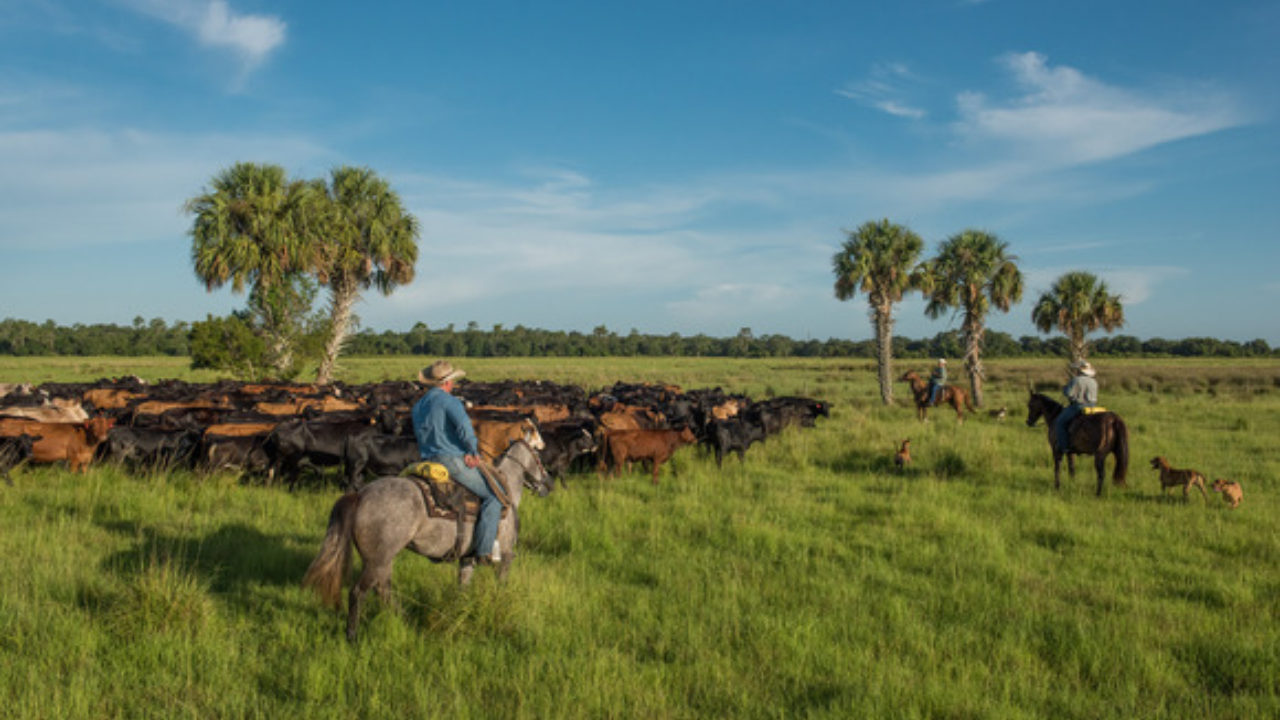
Everybody loves a feel-good headline about saving a ranch. When Florida dropped 6.52 million dollars to protect a 1,034-acre slice of land once held by a former governor, the public breathed a collective sigh of relief. Green trees remain standing. Cows keep chewing grass. Politicians get their glossy ribbon-cutting moment.
It is a masterpiece of public relations, and it is entirely backwards.
I have spent twenty years watching land deals get cut behind closed doors. I have seen developers weep about preserving heritage while carving up contiguous acreage for strip malls, and I have seen conservationists cheer for taxpayer-funded bailouts of wealthy landowners who timed the market poorly.
This latest deal isn't a victory for nature. It is a brilliant financial exit strategy paid for by you.
The Myth of Permanent Preservation
Let us dismantle the core deception first. When the state purchases a conservation easement or outright development rights, the public is told that the land is locked away forever, safe from the bulldozer.
Forever is a very long time in politics.
A conservation easement does not freeze a property in an ecological glass case. It restricts certain types of commercial development while often allowing the private owner to retain title, graze cattle, hunt, and pass the land down through generations with a substantially lower tax burden. Meanwhile, the public hands over millions in cash upfront and assumes the perpetual monitoring liability.
If the market shifts, if a future legislature decides that a corridor needs widening, or if a politically connected heir wants to renegotiate terms, legal boundaries shift. Money alters parchment.
We are not buying permanence. We are subsidizing private open space and calling it public good.
Who Actually Benefits When Millions Change Hands
Follow the capital. When a property once held by a high-ranking political figure or a well-connected estate hits the conservation ledger, look at who gets liquid.
Land is an illiquid asset. If you own a thousand acres of rural Florida scrub and timber, cashing out to a subdivision developer requires navigating years of zoning battles, environmental impact reports, and local pushback. It is risky, tedious, and subject to community wrath.
Selling development rights to a state land-acquisition program eliminates that friction. It offers a guaranteed, taxpayer-backed buyer at peak valuation without the risk of a market downturn. The owner gets millions in liquid capital, keeps the underlying asset, sheds a mountain of property taxes, and retains the aesthetic luxury of a private domain.
It is a private equity bailout disguised as environmentalism. If a tech startup tried to offload its heavy bags onto municipal ledgers, investigators would descend in minutes. Slap a grazing cow on it and call it Florida Forever, and suddenly everyone applauds the fiscal wizardry.
Why Real Ecological Protection Looks Nothing Like This
If we actually cared about biodiversity and water security, we would stop buying sprawling ranches on the periphery of development just because they have powerful names attached to their deeds.
Real conservation is targeted, ruthless, and data-driven. It focuses on micro-corridors, aquifer recharge zones that face immediate contamination threats, and fragmented habitats that can actually be stitched back together. It does not look at a thousand-acre block of pastureland—which is often ecologically altered by monoculture grasses and cattle compaction—and pretend it is pristine wilderness.
Ranches are agricultural operations. They are managed ecosystems, heavily modified for economic output. Preserving them keeps the grass green, but it does not magically restore the native scrub-jays, panthers, or longleaf pine ecosystems that existed before humans decided to fence the perimeter.
By dumping millions into single large-parcel legacy properties, state agencies deplete the finite funds available for high-impact, high-density ecological interventions where every dollar actually moves the needle on species survival.
The Developer and the Conservationist Are the Same Person
Here is the dirty secret of modern land use: the biggest environmental groups and the smartest land speculators speak the exact same language.
A sophisticated land baron does not fight conservation; they monetize it. They acquire cheap acreage in path-of-growth zones, let it appreciate, and when zoning political winds turn hostile or capital becomes tight, they flip a portion to the state conservation kitty at top dollar. They use the cash windfall to fund their next acquisition further out in the county.
The conservation community gets to claim a acreage milestone for their annual report. The politician gets a green credential. The landowner gets a tax-advantaged payday.
And the taxpayer gets the bill, along with a perpetual promise that we are saving the environment one wealthy estate at a time.
Stop buying the fairy tale. Next time you read about a multi-million-dollar preservation deal for a politically linked property, do not look at the trees. Look at the balance sheet.
Because the only thing truly being conserved is the value of well-connected capital.