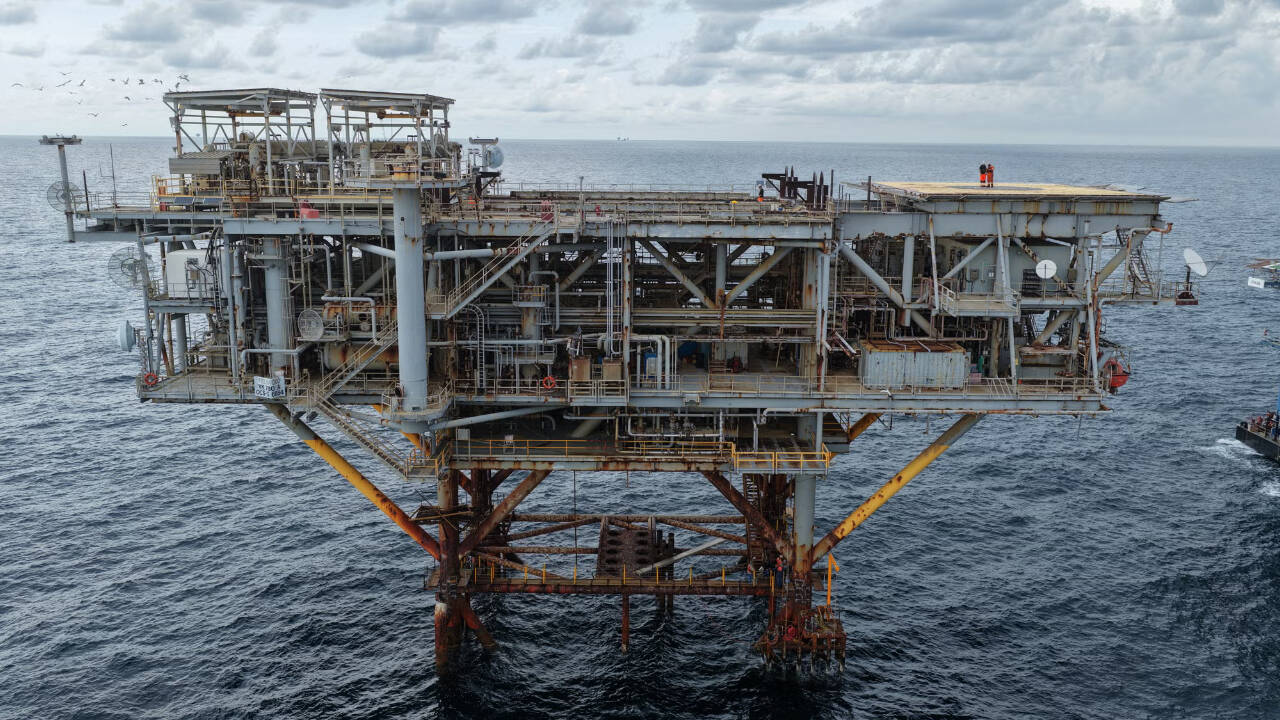
We usually look at industrial infrastructure as a permanent scar on nature. Steel platforms, drilling rigs, and massive pipelines represent heavy extraction and corporate footprints. But sometimes human engineering takes a sharp turn toward restoration. Off the coast of Alabama, an extraordinary transformation is playing out beneath the waves. Massive gas rigs that once pumped fossil fuels from the ocean floor are finding a second life as towering underwater monoliths.
Instead of hauling these colossal structures back to shore for costly dismantling, marine experts and state officials are leaving them right where they stand. Well, sort of. They repurpose them into permanent artificial reefs. One of these converted giants towers a staggering 632 feet from the seafloor, creating a vertical skyscraper of marine life in the Gulf of Mexico. It sounds wild. It actually works brilliantly.
The Iron Giants Sleeping on the Ocean Floor
Think about what an offshore oil or gas platform looks like. From the surface, you see a working deck. Below the water line sits a colossal metal lattice framework known as a jacket. These steel tubes stretch hundreds of feet down to the muddy benthic zone, anchoring the entire operation against brutal storms and heavy currents.
When a gas well dries up, energy companies face an expensive choice. Federal rules dictate that abandoned structures must be removed. Traditionally, this meant cutting the steel apart, loading it onto barges, and hauling it back to land for scrap. That process is loud, disruptive, and incredibly expensive. More importantly, it destroys an accidental habitat that marine life has spent decades adopting.
For years, marine biologists noticed something fascinating. Coral, sponges, barnacles, and fish colonies swarmed these steel legs. The metal jackets essentially acted as artificial coral reefs. They provided hard substrate in an otherwise flat, sandy expanse of the Gulf seafloor. Recognizing this ecological reality, Alabama embraced the national Rigs-to-Reefs program with unmatched enthusiasm.
Instead of ripping the foundation out, engineers topple or leave the lower portions in place. Some platforms are towed to designated reef zones. Others are tipped over right on site. That particular structure reaching 632 feet upward stands as a monument to this clever shift in perspective. It transforms an industrial relic into a biological fortress.
Why Sinking Metal Beats Scraping Steel
Scraping a massive offshore rig isn't just hard work. It strips the ocean clean. Imagine removing thousands of tons of encrusted marine growth, stony corals, and resident fish populations in one fell swoop. You wipe out an entire thriving ecosystem overnight.
Leaving the steel behind keeps the biological momentum going. The moment a platform stops producing gas, it doesn't stop producing life. In fact, fish love heavy structure. Red snapper, grouper, amberjack, and triggerfish congregate around these vertical columns by the thousands. They find shelter from predators, breeding grounds, and an abundant food supply.
Natural reefs in the northern Gulf of Mexico are relatively scarce. Much of the continental shelf consists of flat mud and sand. When you drop a six-hundred-foot vertical steel mountain onto that flat floor, you change the hydrodynamics. Currents hit the structure, pushing nutrient-rich water upward. This upwelling feeds microscopic plankton, kicking off a thriving food web that supports everything from tiny crabs to massive pelagic predators.
You simply cannot replicate that scale of vertical habitat with small concrete blocks or old tires dumped off a barge. Those traditional artificial reefs sink into the soft sediment and stay low to the ground. A towering oil rig reaches up through the water column, creating distinct micro-habitats at different depths. Sunlight zone species live near the surface. Deep-water dwellers occupy the dark, high-pressure zone near the bottom. It is a vertical high-rise for fish.
Inside the Engineering Feat of Transforming a Rig
Turning an industrial oil rig into a marine sanctuary requires serious planning. You can't just walk away and hope for the best. Federal and state environmental agencies enforce strict guidelines to ensure safety and ecological health.
First, the wells must be permanently plugged and abandoned. Operators pump cement deep into the wellbore to lock in pressure and prevent any future leaks. This process takes weeks of careful inspection and verification by federal regulators.
Next comes the cleaning phase. Environmental rules mandate that all leftover hydrocarbons, residual drilling mud, and loose debris must be thoroughly scrubbed or sealed. You want clean steel down there, not chemical pollutants.
Once the structure is pristine, the heavy lifting begins. Specialized marine salvage ships use controlled charges or diamond wire saws to sever the steel legs at a safe depth below the mudline, usually around fifteen to eighty feet down. This ensures that commercial ships won't snag their anchors or hulls on protruding metal.
For structures designated to stay in place, engineers might use controlled explosive charges to topple the upper deck while leaving the massive jacket standing tall. In other cases, specialized towing vessels drag the entire jacket to a new permitted reef site. Dropping a structure that rises 632 feet from the ocean floor takes pinpoint navigational accuracy and favorable weather windows. One wrong move and millions of dollars of steel end up in the wrong spot.
What This Means for Marine Life and Fishing Communities
Anglers and divers know the secret well. If you want to catch fish, find structure. Alabama’s coastal waters have turned into a premier destination for recreational and commercial fishermen largely because of these artificial reefs.
Red snapper populations, in particular, exploded across the northern Gulf thanks to these submerged steel skeletons. For decades, regulators worried about overfishing. Yet tracking data showed robust fish numbers around oil and gas platforms. The steel legs function as high-density nurseries where juvenile fish grow safe from open-ocean predators.
Diving on one of these deep-water rigs offers an otherworldly experience. You descend through crystal-blue water alongside schools of shimmering baitfish. As you go deeper, the metal grows thick with colorful sponges, soft corals, and swirling clouds of anthias. When you look down and realize the steel pillar beneath you stretches hundreds of feet further into the abyss, the sheer scale humbles you.
Local economies reap the rewards too. Charter boat captains, bait shops, fuel docks, and waterfront restaurants rely on the steady stream of tourists and anglers drawn to Alabama's offshore hotspots. It turns out that preserving industrial relics underwater generates far more long-term revenue than melting them down for scrap metal.
The Economics Behind the Rigs to Reefs Movement
Let's talk about money. Decommissioning offshore oil and gas infrastructure costs billions of dollars globally. Energy companies naturally want to minimize expenses.
When a state offers a Rigs-to-Reefs option, it creates a financial incentive for everyone involved. The oil company saves a significant portion of the total removal cost. Instead of paying to tow the entire structure to land and slice it up, they donate a portion of those cost savings to the state’s marine resource trust fund.
States use those funds to manage, monitor, and expand their artificial reef programs. It pays for scientific research, GPS mapping of reef sites, and ongoing environmental monitoring. Everyone wins. The taxpayer doesn't foot the bill, the energy company saves money, and the marine ecosystem gains a permanent sanctuary.
Critics sometimes argue that leaving old metal in the ocean is just a lazy way out for oil conglomerates. But that viewpoint ignores the biological reality. Stripping the ocean of these structures causes a net loss of habitat. When scientists survey retired platforms converted into reefs, they find thriving ecosystems that rival or exceed natural coral reefs in biomass.
Nature doesn't care about human politics or corporate balance sheets. Nature cares about shelter, food, and survival. A six-hundred-foot steel tower covered in coral provides all three in abundance.
The next time you hear about an old gas rig being retired in the Gulf of Mexico, don't picture an environmental disaster. Picture a new underwater metropolis rising from the sand, ready to shelter generations of marine life for decades to come.