A phone screens flashes in the dark cab of a delivery van, illuminating the driver’s tired eyes. It is just a text message from a manager asking about a delayed drop-off. The driver looks down. One second. Two seconds. Three seconds.
In those three seconds, a two-ton vehicle traveling at fifty kilometers per hour moves over forty meters completely blind. It does not feel like a gamble when you are behind the wheel. It feels like multitasking. It feels like saving time in a city that demands every spare second you have.
But out on the concrete, those seconds accumulate into a quiet crisis. Over the first five months of this year, a troubling shift occurred across Hong Kong. Traffic-related deaths spiked by forty percent compared to the same period last year. These are not abstract metrics or columns in a government ledger. They represent broken evenings, empty chairs at dinner tables, and phone calls that no family ever wants to receive.
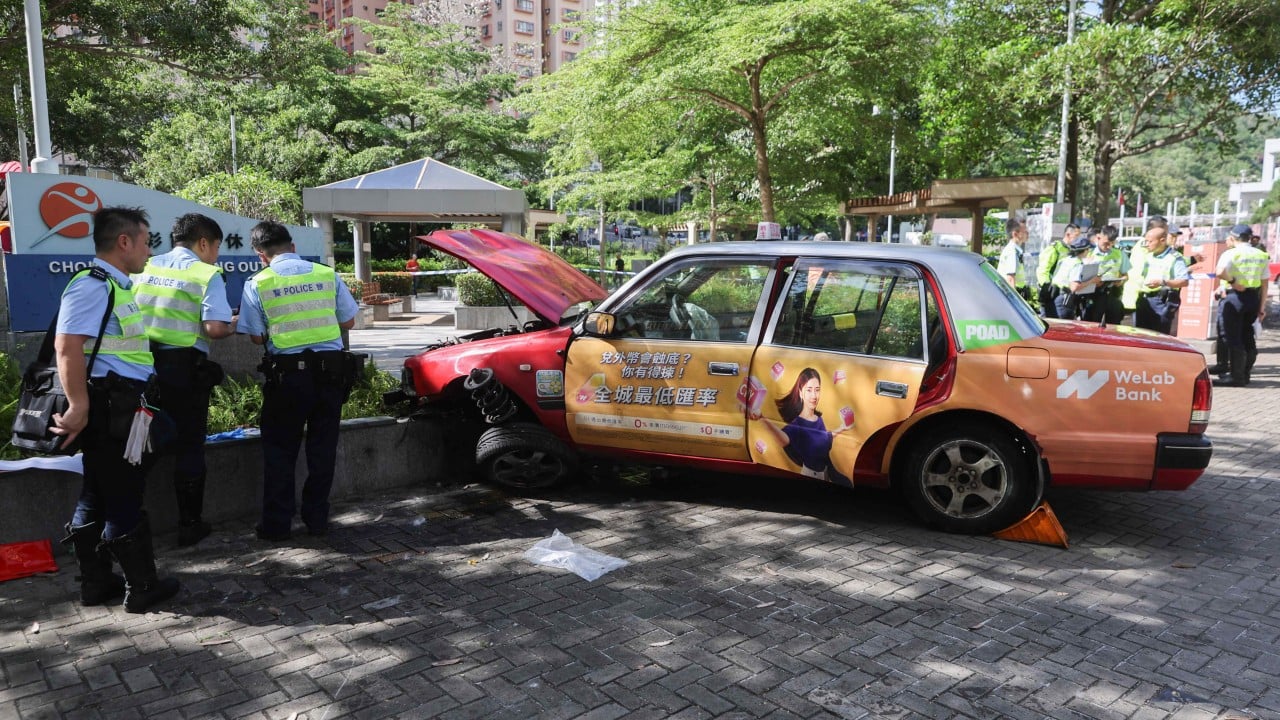
The numbers became too loud to ignore. In response, local police launched a massive, coordinated, citywide crackdown. Over a intensive two-week period running from June 5 to June 19, the true scale of our collective impatience was laid bare. Twenty-four drivers were handcuffed and arrested. More than four thousand tickets were written and handed out through car windows.
If you view this through the lens of a standard police report, it looks like a simple logistical triumph—a successful deployment of law enforcement to clean up the streets. But the real problem lies elsewhere. It rests in the everyday psychology of ordinary people who believe that rules are meant for someone else.
Consider what happens next when a city grows accustomed to speed. The infractions stop feeling like dangerous choices and begin to feel like natural rights.
During the two-week enforcement window, officers focused heavily on the specific behaviors that turn minor errors into fatal accidents. Speeding. Illegal parking that forces pedestrians into live traffic lanes. Running red lights because stopping means waiting another ninety seconds. Failing to yield at zebra crossings.
Imagine a hypothetical pedestrian—let us call her Mrs. Chan. She is seventy-four years old, carrying two bags of groceries home from the wet market in Sham Shui Po. Her knees ache, so she steps off the curb slightly slower than a teenager would. Now imagine a driver approaching that same intersection, aggressively coasting through a left turn while checking a navigation map. The driver is not a criminal. He is an ordinary person running late for work. But when those two realities collide, the distinction between carelessness and crime disappears instantly.
Many of the twenty-four individuals who ended up in the back of a police cruiser during this operation were not driving stolen cars or fleeing bank robberies. They were arrested for driving under the influence of alcohol, dangerous driving, or operating vehicles without valid licenses and insurance. They were people who chose to take a chance, convinced that their luck would hold out for just one more trip.
The four thousand tickets issued tell a much larger story about our daily culture on the road. A ticket is a financial nuisance, a momentary interruption that ruins your morning and costs a few hundred dollars. Yet, every single one of those four thousand pieces of paper represents a moment where a disaster was prevented only by a stroke of luck or the quick reflexes of a stranger.
It is easy to blame professional drivers, delivery couriers, or high-performance sports cars for the dangers on our roads. We want to believe the problem belongs to a reckless minority. But the truth is far more uncomfortable. The danger belongs to anyone who has ever accelerated when a traffic light turned yellow, or looked at a WhatsApp message while waiting at a pedestrian junction.
We have treated traffic laws as optional suggestions for so long that a massive police operation is required just to remind us of the basic physics of survival.
A car is not an extension of our living room. It is a heavy mechanical force that requires absolute presence of mind. When forty percent more people die on our streets in less than half a year, it means the invisible social contract that keeps us safe has begun to fray. It means we have prioritized our schedules over our neighbors.
The sirens have quieted down for now, and the two-week surge has concluded. The police checkpoints will become less frequent, and the yellow safety vests will fade back into normal patrol routines. But the choice remains exactly where it has always been—in the quiet space between a driver’s foot and the pedal, and in the conscious decision to look at the road instead of the screen.
The true measure of the crackdown will not be found in the total number of arrests or the revenue from four thousand fines. It will be found in the minutes we are willing to lose so that someone else can safely make it home.