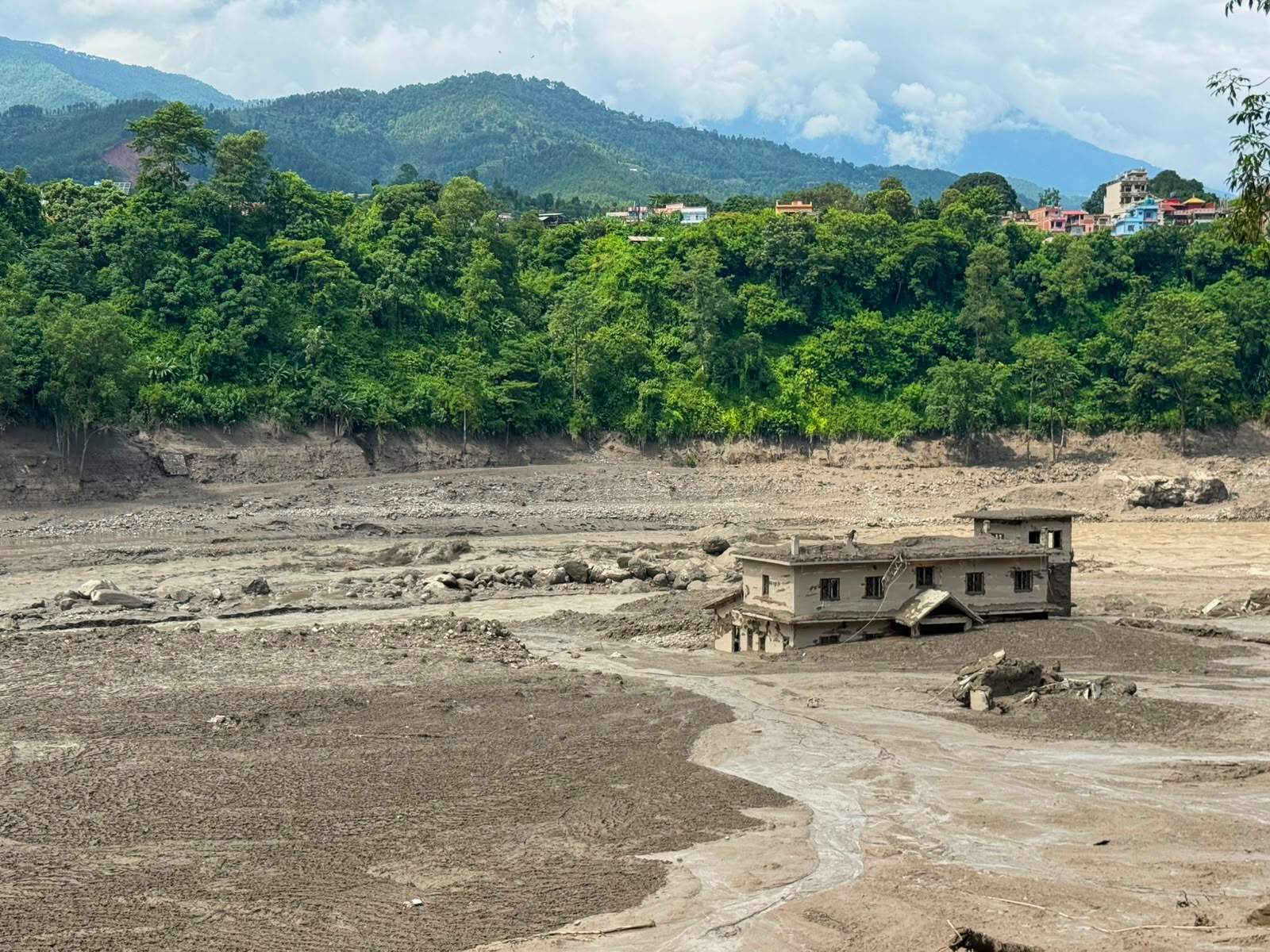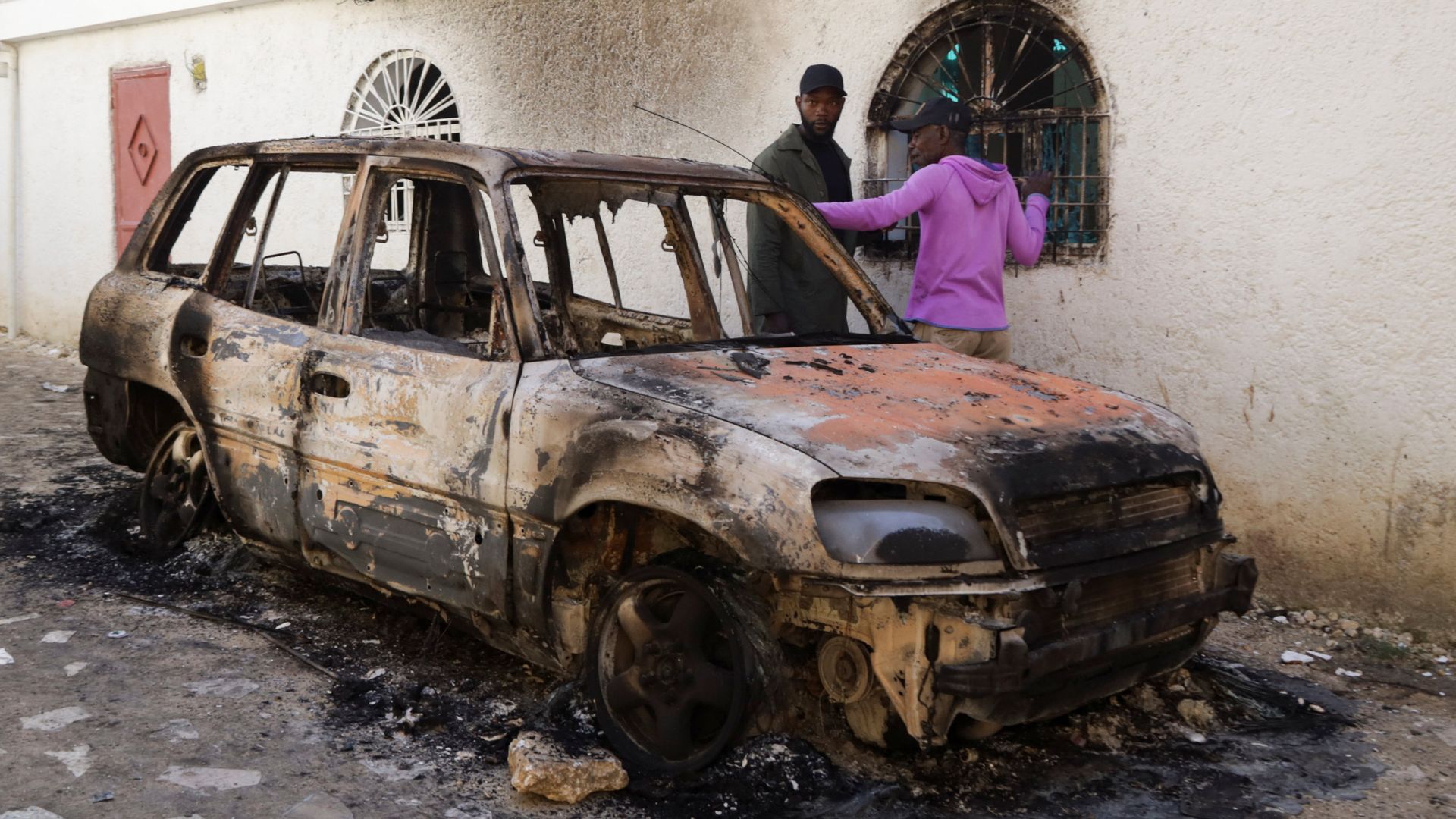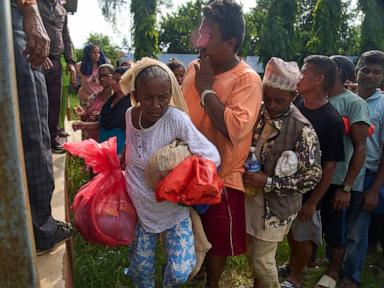
Every time a glacial lake bursts or a mountain wall liquefies in the Himalayas, the international aid machinery executes a predictable script. Press releases flash across news tickers, highlighting exact casualty counts and precise tallies of vulnerable minors. The recent catastrophe along the Nepal-China border, kicked off by a massive ice avalanche dropping from 17,000 feet, brought out the familiar chorus. Agencies line up to declare that precisely 17,000 children are in urgent need of humanitarian assistance.
Stop counting the kids and look at the structural failure.
Focusing heavily on headcounts during the immediate aftermath of a disaster is a comforting bureaucratic exercise that masks a much uglier reality. When international organizations obsess over distributing tarps and hygiene kits to a quantified number of minors, they validate a charity model designed for optics rather than survival. The lazy consensus in global reporting assumes that throwing temporary relief materials at a devastated Himalayan valley solves a crisis. It does not. It merely subsidizes permanent vulnerability in one of the most volatile geographic zones on the planet.
The Fallacy of the Emergency Band-Aid
I have spent years analyzing disaster response mechanisms in high-altitude zones, and the pattern is always identical. A flash flood tears through districts like Rasuwa, Nuwakot, and Dhading, wiping out roads, hydropower facilities, and schools. International bodies rush in with emergency health kits and multipurpose tents. Media outlets spotlight families huddled in makeshift military barracks.
Yet, treating these events as sudden, unpredictable acts of God completely misreads the mechanics of modern geography. A 2,000-foot-wide section of a glacier snapping off is a natural phenomenon, but building permanent human settlements and complex infrastructure directly in the path of historical glacial outflow paths is a design failure.
When UNICEF or the World Food Programme announce that thousands of children are awaiting aid, the underlying assumption is that delivery speed is the ultimate metric of success. If trucks get through the mud faster, the crisis is managed. This is a false optimization. Getting a solar panel or a bag of rice to a roadside tea shop in Nuwakot feels productive, but it treats the symptom while ignoring the systemic rot. The real question isn't how fast we can truck aid into a disaster zone; it is why we continue to build communities in areas mathematically guaranteed to be washed away again.
The Economics of Relocation Denial
Governments and international NGOs shy away from the only policy that actually saves lives in the high Himalayas: forced, permanent depopulation of high-risk river corridors.
Instead, the discourse remains trapped in resilience theater. We talk about early-warning systems and better satellite tracking—tools managed by platforms like UN-SPIDER—as if advanced notice matters when your entire village is buried under three meters of dense sediment and boulder fields. If a wall of water travels two hundred kilometers downstream within hours, an SMS warning buys you thirty seconds. It does not save your home, your school, or your local economy. It just gives you enough time to run uphill with empty hands.
Let us run a thought experiment. Imagine a scenario where international relief agencies redirected every dollar spent on post-disaster temporary shelters and food kits into a sovereign relocation fund designed to move vulnerable Himalayan communities entirely out of gorge bottoms and onto stable plateaus. The initial cost would be staggering. The political friction would be immense. Local populations with deep ancestral ties to valley trade routes would resist.
Yet, compare that upfront cost to the endless, multi-decade loop of rebuilding the exact same schools and micro-hydropower stations in the exact same ravines every few years. The current humanitarian approach is an infinite financial leak that guarantees future tragedies. Every time we praise an agency for successfully airlifting a pregnant woman or distributing hygiene kits to displaced children, we normalize a cycle of perpetual displacement.
Dismantling the Victim Industry
There is an uncomfortable truth about disaster reporting that industry insiders rarely voice: suffering scales funding. When reports emphasize that exact figures of children are facing heightened risks of exploitation and disease, donations spike. The humanitarian complex relies on maintaining a clean narrative of helpless victims waiting for external salvation.
This narrative robs local populations of agency and absolves regional governments of structural planning responsibilities. Nepal's National Disaster Risk Reduction and Management Authority mobilizes thousands of security personnel for search-and-rescue operations only after the catastrophe occurs. The budget for prevention, zoning laws, and geological relocation pales in comparison to the billions mobilized reactively after a glacier collapses.
By validating the 17,000-children narrative as the core problem, we accept that living in a disaster zone is a permanent baseline condition, and that our only job is to soften the blow after the mountain falls. That is not humanitarianism. It is management of decline.
The Uncomfortable Road Ahead
If we want to protect the next generation in regions battered by climate stress and glacial destabilization, we have to stop treating these events as anomalies. The Himalayas are warming at an accelerated rate, meaning ice avalanches and glacial lake outbursts will increase in frequency and intensity.
Throwing another round of emergency kits at the survivors is a moral hazard if it encourages them to rebuild on the exact same unstable alluvial fans. True protection requires abandoning vulnerable gorges, implementing strict no-build zones along high-risk waterways, and funding generational migration away from death traps.
Stop measuring our success by how quickly tents arrive. Measure it by how many settlements are never rebuilt in the path of the next avalanche.