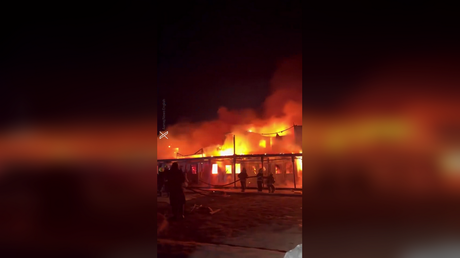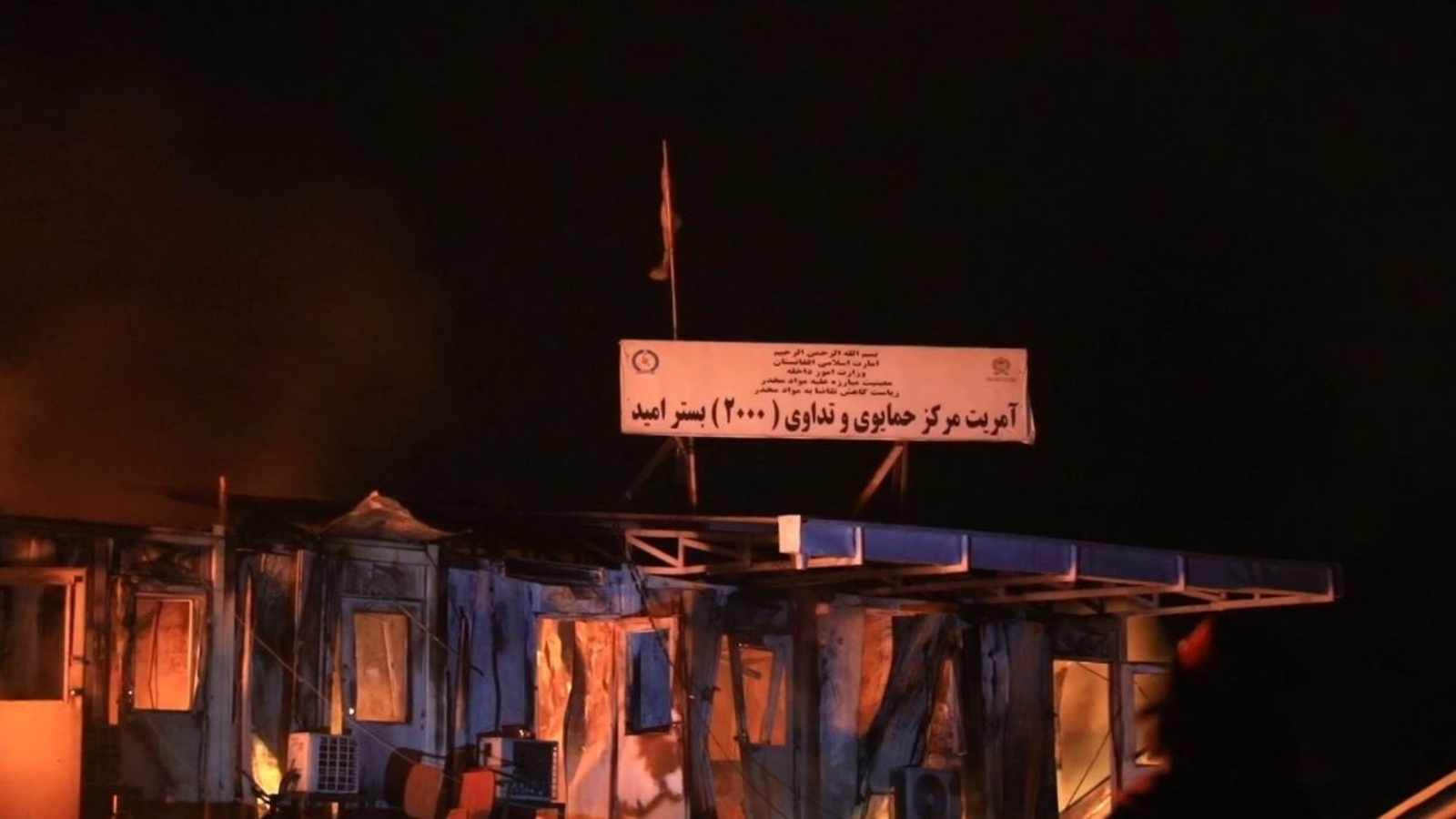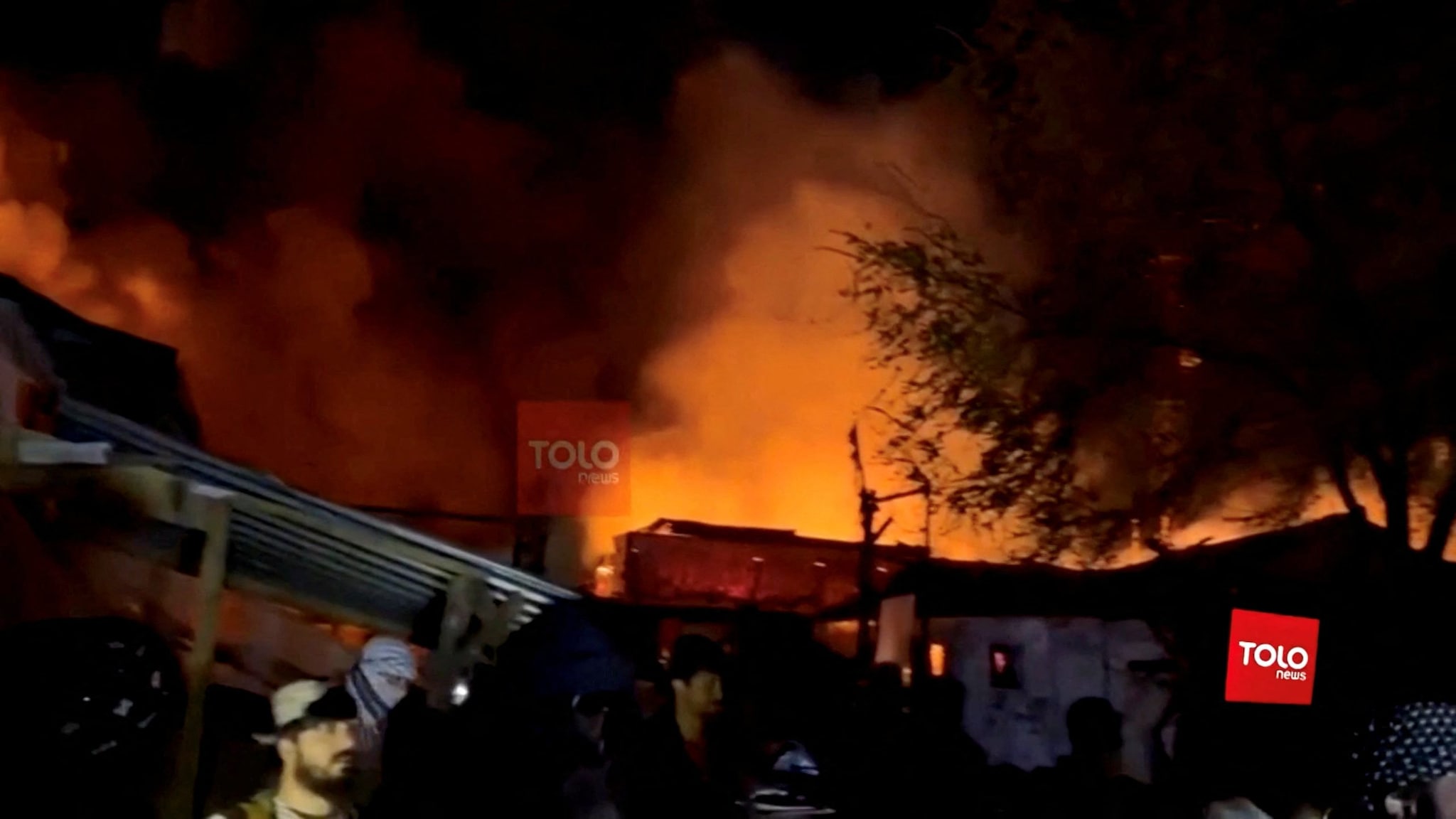
The reported death of 400 individuals along the Durand Line signifies more than a localized skirmish; it represents a total breakdown in the bilateral deconfliction mechanisms between Kabul and Islamabad. While the Afghan administration asserts these casualties are the direct result of targeted aggression, Pakistan’s immediate rejection of the claim points to a systemic "attribution gap." This gap occurs when kinetic actions on the ground lack a verified chain of custody, allowing both state and non-state actors to manipulate casualty data for domestic signaling and international leverage.
The instability of the Afghan-Pakistani border is defined by three structural friction points: sovereign boundary disputes, the sanctuary-insurgency cycle, and the absence of a joint evidentiary framework.
The Sovereign Ambiguity of the Durand Line
The foundational cause of these recurring fatalities is the contested nature of the 2,640-kilometer border. Kabul has historically viewed the Durand Line as a colonial imposition rather than a permanent international boundary. This creates a legal vacuum where enforcement actions by one side are viewed as territorial violations by the other.
When Pakistan conducts "intelligence-based operations" (IBOs) or utilizes heavy artillery against militant hideouts, the Afghan side categorizes these as unprovoked assaults on sovereign soil. The 400 reported deaths must be viewed through this lens of disputed jurisdiction. Without a mutually recognized border, there is no "no-man's land"—only overlapping claims where every kinetic engagement is interpreted as an act of war.
The Mechanics of the Sanctuary-Insurgency Cycle
The escalation of violence is driven by a feedback loop involving the Tehrik-i-Taliban Pakistan (TTP) and other splinter groups. The strategic logic follows a predictable pattern:
- Regrouping and Refit: Insurgent groups use the porous border to find sanctuary in Afghan provinces like Khost, Kunar, and Paktika.
- Cross-Border Incursion: These groups execute raids into Pakistani territory, targeting military outposts and civilian infrastructure.
- Kinetic Response: Pakistan responds with standoff weapons—drones, airstrikes, or long-range artillery—aimed at the points of origin within Afghanistan.
- Information Warfare: Kabul cites civilian or security force casualties from these strikes to build a narrative of victimhood, while Islamabad denies the scale of the strikes to avoid appearing as an aggressor under international law.
The claim of 400 deaths likely aggregates several weeks or months of these smaller, high-intensity exchanges into a single, headline-grabbing figure. This tactic aims to force international third-party mediation or to justify a future military buildup on the Afghan side of the line.
Quantifying the Attribution Gap
In high-friction zones, data is weaponized. The "400 killed" figure lacks granular verification—there are no public manifests of names, locations, or status (combatant vs. civilian). This lack of transparency serves both regimes. For Kabul, high casualty numbers serve as a domestic unifying force against a "foreign invader." For Islamabad, a blanket rejection allows the military to maintain its operational tempo without being tethered to the political fallout of collateral damage.
The failure to establish a Joint Border Commission with real-time monitoring capabilities ensures that numbers will remain speculative. True casualty counts in this region are obscured by:
- Geographic Isolation: High-altitude, rugged terrain prevents independent journalistic or NGO verification.
- Rapid Burials: Local religious customs dictate swift burial, often before formal documentation can occur.
- Combatant Intermingling: Insurgent groups frequently embed within local village structures, making the distinction between a "militant" and a "civilian" casualty a matter of subjective reporting.
The Cost Function of Border Fencing
Pakistan’s multi-billion-dollar project to fence the border was intended to decouple the two nations’ security environments. However, the fence has become a focal point for violence rather than a deterrent. The Afghan side views the fence as a physical manifestation of a "hard border" they do not recognize.
The cost of maintaining this barrier is not merely financial; it is measured in the blood of the soldiers guarding it and the economic strangulation of tribal communities whose livelihoods depend on cross-border trade. When the fence is breached or fired upon, the response is almost always disproportionate, leading to the type of mass-casualty events currently being debated.
Strategic Divergence in Counter-Terrorism Logic
The core of the disagreement lies in how each state defines a "threat." Pakistan views any group attacking its state as a terrorist organization that Afghanistan is obligated to suppress under the Doha Agreement. Conversely, the Afghan administration views many of these groups as "internal matters" or ideological kin, refusing to take kinetic action against them.
This creates a "Security Dilemma" where:
- Pakistan feels forced to strike across the border because the host nation (Afghanistan) is either unwilling or unable to exercise its monopoly on violence.
- Afghanistan views these strikes as a betrayal by a neighbor that once provided support, leading to a hardening of positions and increased border reinforcements.
Logistics of the Kinetic Exchange
Modern border skirmishes in this region have shifted from small-arms fire to the use of heavy weaponry. The transition to D-30 howitzers, mortars, and increasingly, unmanned aerial vehicles (UAVs) explains how casualty counts can spike rapidly. A single misplaced 122mm artillery shell in a densely packed border village can result in dozens of casualties, providing the raw data for the "400 killed" claim.
The escalation ladder is currently uncontrolled. There are no "hotlines" between regional commanders that function during active firing. Without a tactical-level communication link, a localized dispute over a checkpoint can escalate into a multi-province artillery duel within hours.
The Path Toward De-escalation
To move beyond the cycle of claims and rejections, the security architecture must be rebuilt from the ground up, focusing on three tactical imperatives:
- Implementation of a Joint Verification Team (JVT): A neutral body, potentially involving regional observers, must have the mandate to visit strike sites within 24 hours of an incident to document casualties and debris.
- Formalization of "Rules of Engagement" (ROE): Both militaries must define the specific triggers for cross-border fire. Currently, the ROE is reactive and undefined, leading to "fire-at-will" scenarios.
- Economic Normalization: Decoupling the movement of goods from the movement of militants. By creating "Green Zones" for trade that are heavily monitored, the pressure on the rest of the porous border can be reduced.
The current standoff is a symptom of a broader strategic misalignment. Until Kabul and Islamabad agree on the legal status of the soil they stand on, the border will remain a friction point where data is a tool of war and human life is the primary currency of negotiation. The immediate requirement is a cessation of standoff weapon usage in favor of diplomatic channel-opening, or the death toll will inevitably move from the hundreds into the thousands as seasonal fighting patterns resume.