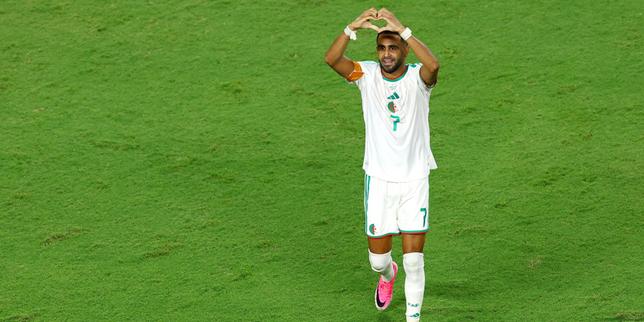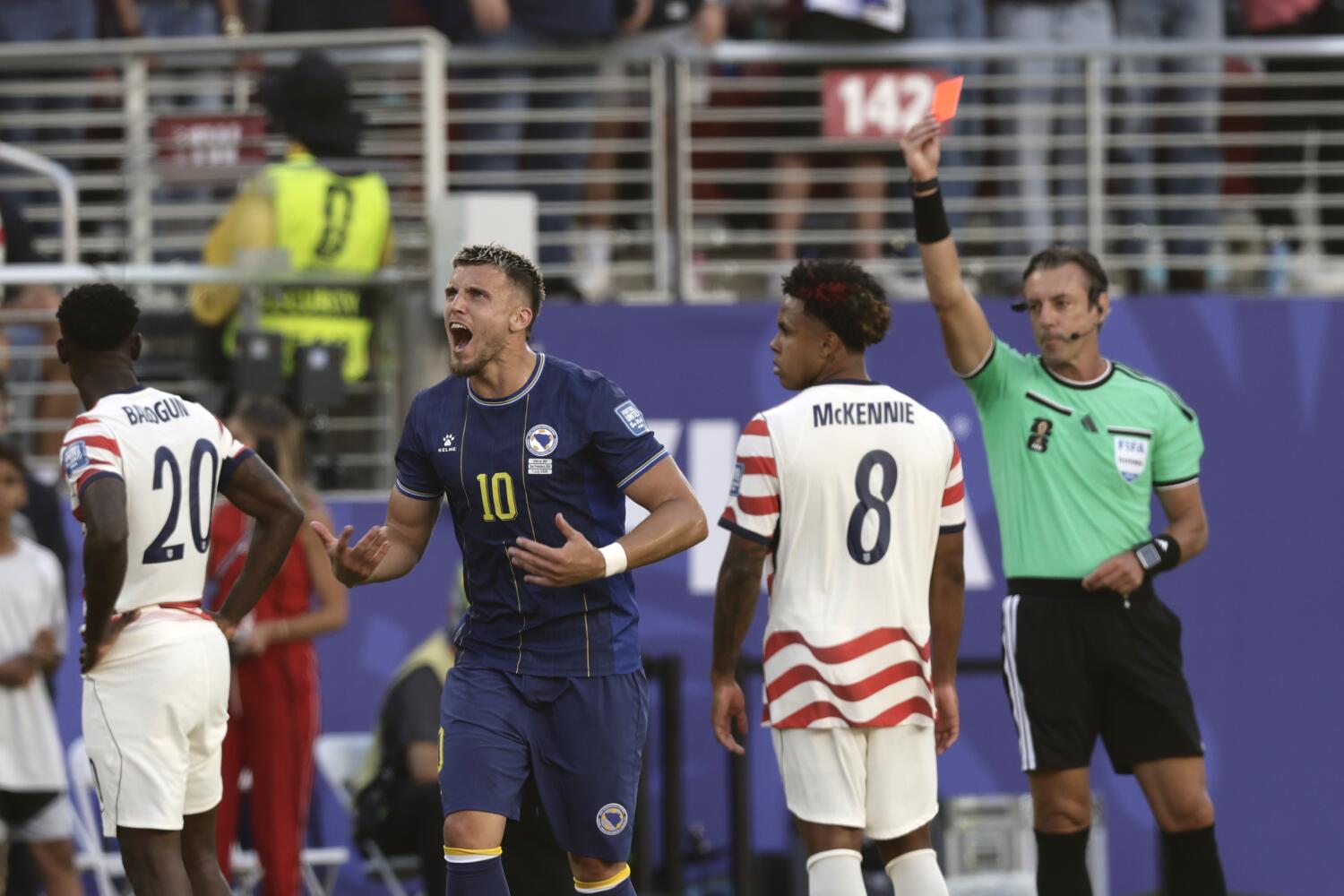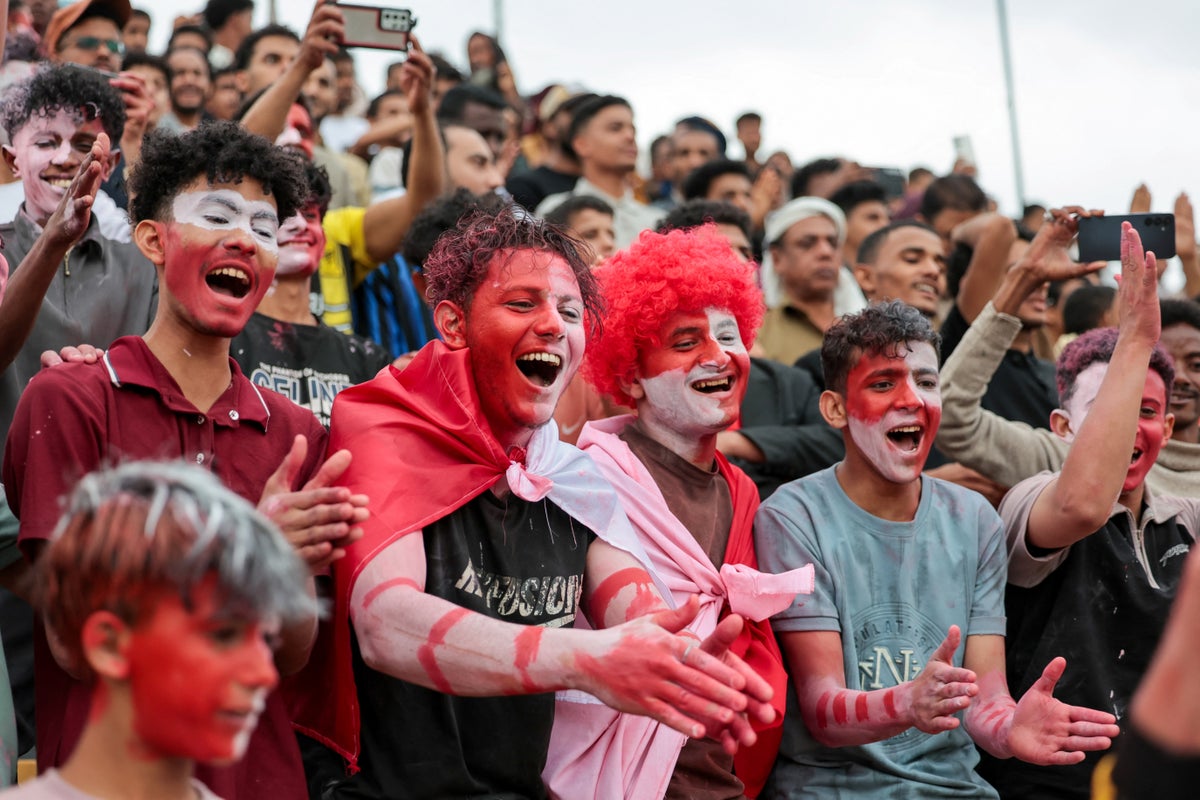
The international sports media loves a tragedy with a silver lining. Whenever a nation is torn apart by geopolitical strife, famine, or civil war, editors eagerly await the inevitable palate cleanser: a ragtag group of underdogs qualifying for a tournament, winning a youth cup, or merely showing up to compete on the global stage.
We saw it with Iraq’s Asian Cup win in 2007. We see it every time the refugee team marches into an Olympic stadium to a standing ovation. And we see it in the breathless, tear-jerking coverage of Yemen’s national soccer team competing thousands of miles away from a homeland fractured by a brutal, decade-long conflict. Read more on a similar issue: this related article.
The narrative is always identical. It is lazy. It is patronizing. And it is entirely wrong.
Western media framing treats these moments as "miracles" that transcend war, claiming that ninety minutes on a pitch can magically unite a fractured population or heal the trauma of a humanitarian crisis. This is not just wishful thinking; it is a dangerous distortion of reality. Sports do not cure structural collapses. In fact, celebrating these "miracles" often obscures the grim systemic exploitation happening behind the scenes, allowing the international community to applaud a fleeting feel-good story while ignoring the rot beneath. More analysis by Bleacher Report highlights similar perspectives on this issue.
The Anatomy of the Soccer Miracle Narrative
When journalists write about Yemeni soccer players training amidst airstrikes or playing home games in neutral Gulf countries, they lean heavily on romanticized resilience. They paint a picture of a population momentarily forgetting their hunger and political divisions to huddle around televisions, united by a shared goal.
This narrative relies on a massive logical fallacy: confusing temporary distraction with genuine social cohesion.
Let us look at the mechanics of soccer in a failed or failing state. I have spent years analyzing the intersection of sports governance and geopolitics, watching international federations dump money into conflict zones under the guise of "development." The reality on the ground contradicts the press releases.
When a national team from a war-torn country achieves a minor sporting victory, it does not heal divisions. It weaponizes them.
In any active conflict, multiple factions claim legitimacy. The moment a national team steps onto the pitch, that team becomes a propaganda asset. Which ministry paid for the flights? Which warlord or regional superpower is leveraging the team’s image for a PR campaign? FIFA requires national associations to operate independently of government interference, but this rule is an absolute farce in unstable regions.
Far from uniting a country, international sports success frequently forces athletes to walk a tightrope between warring factions, where a single misstep, a refused handshake, or a poorly timed comment can endanger their families back home. The "miracle" is actually a high-stakes political hostage situation played out in shorts and cleats.
Why Sports Diplomacy Fails Every Single Time
The core premise of the "sports as a healer" argument is that athletics can serve as a form of grassroots diplomacy. This is a comforting illusion for spectators sitting thousands of miles away, but it ignores basic political science.
Consider the historical precedents often cited by sports romanticists:
| Historical Case | The Romanticized Narrative | The Grim Reality |
|---|---|---|
| The 1914 Christmas Truce | Soldiers stopped fighting to play soccer, proving shared humanity. | The war resumed the next day and killed millions more over four years. |
| Iraq's 2007 Asian Cup Victory | A Sunni, Shia, and Kurdish squad united a fractured nation. | The sectarian civil war peaked after 2007, with casualties soaring. |
| The Drogba Civil War Truce (2005) | Didier Drogba’s plea ended the Ivorian civil war. | The peace accord was already in motion; violence flared up again by 2010. |
The data is clear. Sports victories provide a brief spike in collective dopamine, not a roadmap to structural peace.
To believe that a soccer match can bridge deep-seated tribal, religious, or political divides is to insult the intelligence of the people living through those conflicts. A father searching for clean water or trying to shield his children from artillery fire does not find his material reality altered because an under-23 squad beat a regional rival in an air-conditioned stadium in Qatar.
The Exploitation of "Resilience"
The word "resilience" has been weaponized by the sports media to romanticize suffering. When we call a team's survival a miracle, we normalize the horrific conditions that required a miracle in the first place.
Imagine a scenario where a global tech company forced its employees to work in a building with a collapsing roof, no electricity, and active fires, and then published a glossy press release praising the staff’s "miraculous resilience" for hitting their quarterly targets. We would see through the corporate spin instantly. Yet, when FIFA or the International Olympic Committee does the exact same thing, the public applauds.
This obsession with the underdog narrative serves a specific purpose: it lets the wealthy institutions of global sports off the hook.
FIFA sits on billions of dollars in reserves. They host glittering tournaments in ultra-luxury hubs while the soccer infrastructure in developing nations crumbles into literal dust. By framing a war-torn country's qualification or competitive performance as a triumph of the human spirit, football's governing bodies evade the uncomfortable question: Why are the players left to suffer in the first place?
The hard truth is that the international soccer apparatus benefits from these narratives. It provides the sport with a soul it desperately lacks. It gives sponsors a narrative arc to exploit during commercial breaks. The players become props in a global virtue-signaling exercise, chewed up for content and discarded the moment they drop out of the tournament.
Dismantling the "People Also Ask" Delusions
When people look into sports in conflict zones, their questions are often steeped in Western savior complexes. Let's dismantle the premises of these inquiries directly.
Can sports bring economic investment to war-torn regions?
No. This is a fantasy pushed by sports marketing firms. International sports federations allocate meager grants to national associations in developing nations. In unstable environments, these funds are highly susceptible to corruption and siphoning by local elites. The money rarely reaches the grassroots level, let alone the broader economy. Real economic investment requires infrastructure, security, and rule of law—none of which are built by building a synthetic soccer pitch.
Don't these victories give hope to the youth?
Hope is cheap; material security is expensive. Giving a child a soccer ball while ignoring the fact that their school has been bombed is a hollow gesture. While an individual youth might find personal salvation through an athletic career abroad, using a few exceptional anomalies to justify a broken system leaves the remaining 99.9% of the youth population with nothing but a fleeting distraction from their grim reality.
The Cost of the Illusion
There is a genuine cost to this collective delusion. When we consume these stories of "miracles thousands of miles from home," we participate in a form of voyeurism that sanitizes geopolitical horror. We satisfy our desire for a happy ending without demanding accountability from the political and sporting structures that perpetuate the chaos.
I have seen how sports federations operate behind closed doors. They do not care about the geopolitical reality of the nations they exploit for feel-good content; they care about tournament compliance, broadcast rights, and maintaining a clean brand image. The "miracle" narrative is the ultimate PR shield. It allows multi-billion-dollar entities to masquerade as humanitarian organizations while doing the bare minimum to support human life.
Stop looking for miracles on the soccer pitch. Stop demanding that athletes bear the burden of national redemption. A soccer ball cannot stop a bullet, and a trophy cannot rebuild a nation.
The next time you read a headline about a war-torn nation achieving a sports miracle, do not smile. Do not share it. Recognize it for what it truly is: an admission of global failure wrapped in a glossy bow.