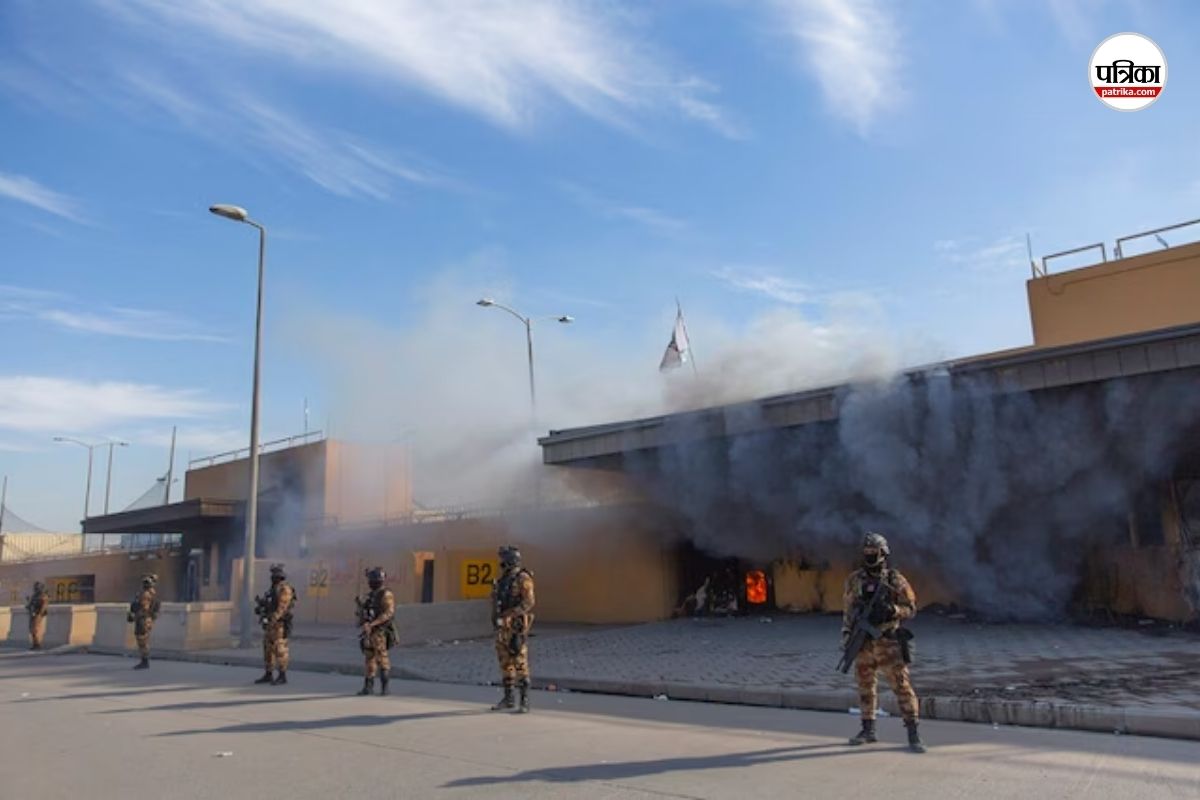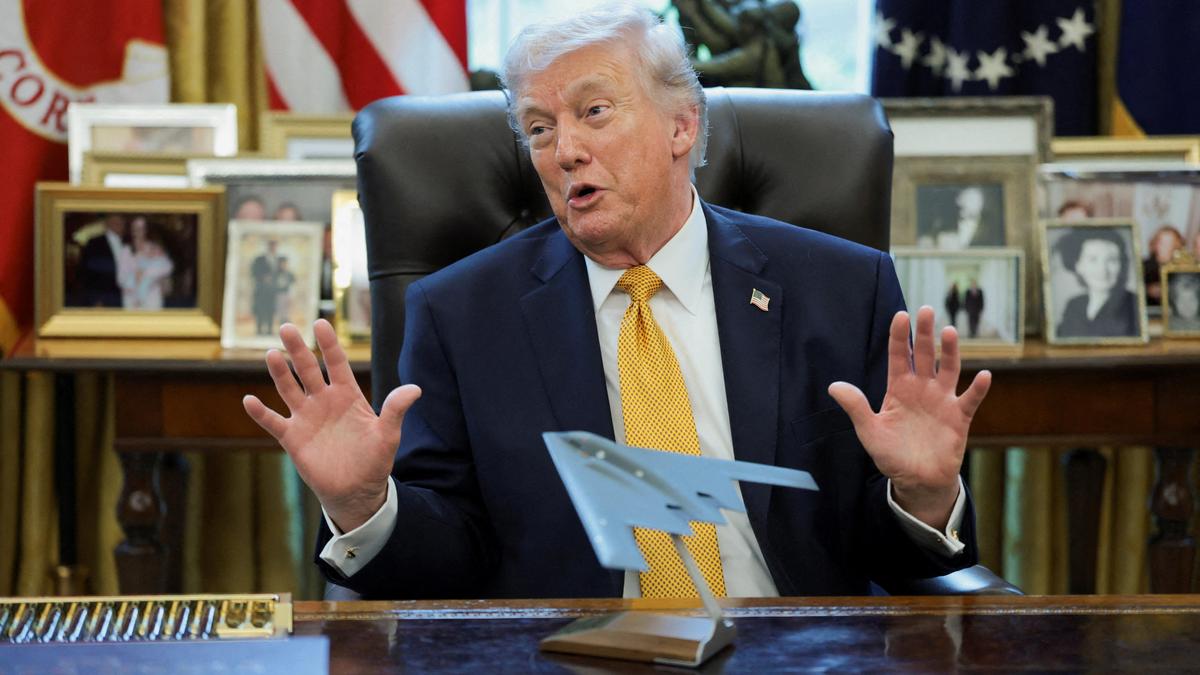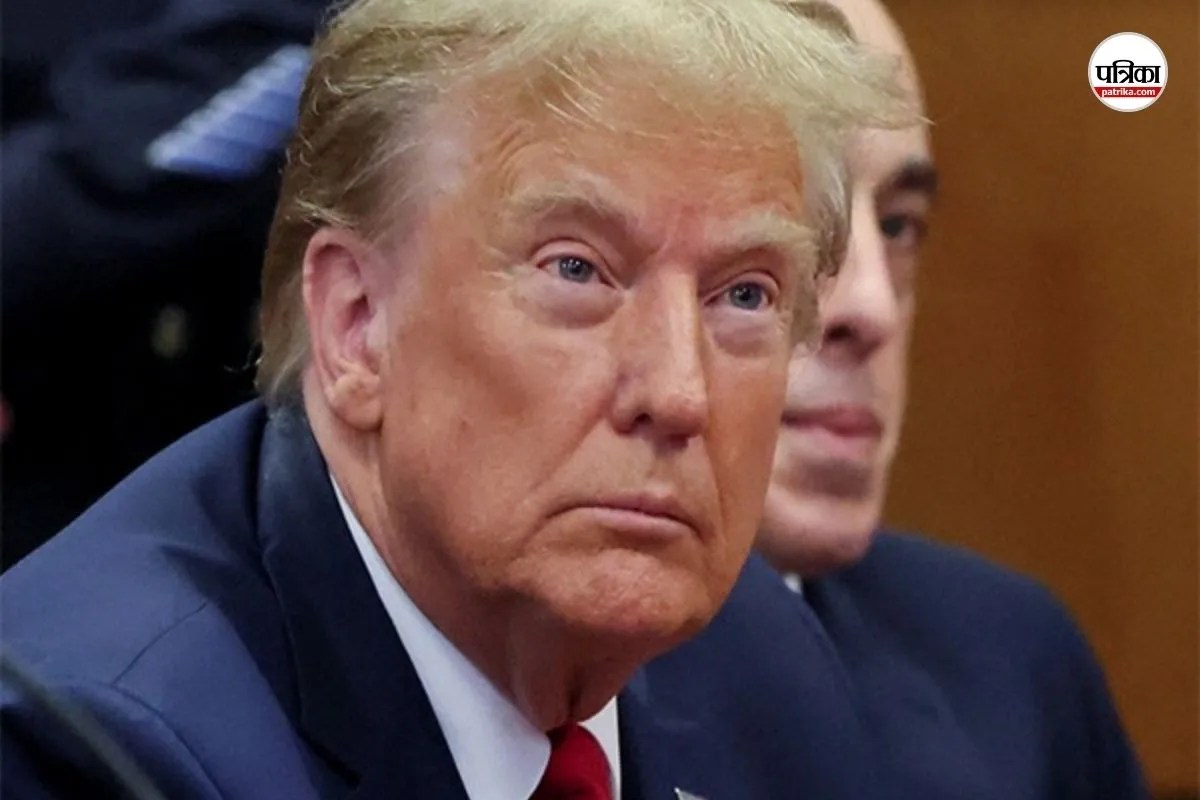
The headlines are screaming again. Donald Trump is back to his favorite pastime: pointing a finger at the Caribbean and promising to "tighten the screws" on Cuba, just as he has with Venezuela and Iran. The media laps it up. They frame it as a high-stakes chess match between a superpower and a "failing" socialist experiment.
They are wrong.
The narrative that more sanctions will finally "break" the Cuban government is the most expensive, longest-running delusion in American foreign policy. I’ve watched Washington burn decades of diplomatic capital on this premise, and the result is always the same: the regime gets stronger, the Cuban people get hungrier, and American businesses lose a market that is literally 90 miles away.
If you think Trump’s "maximum pressure" campaign is about bringing democracy to Havana, you’re not paying attention to the mechanics of power. It’s about Florida electoral math, not freedom.
The Sanction Paradox: Why Pain Is a Political Asset
Mainstream analysts argue that if you make life miserable enough for a population, they will rise up and overthrow their leaders. It sounds logical on a whiteboard. In reality, it’s a fundamental misunderstanding of how authoritarian structures function.
When a country is under siege, the government doesn't just lose control; it gains a monopoly on scarcity.
In a normal economy, power is diffused through thousands of private transactions. In a sanctioned economy, the state becomes the sole arbiter of who eats and who starves. By cutting off Cuba from the global financial system, we aren't empowering the "freedom fighters" in the streets; we are forcing every Cuban citizen to depend entirely on the state-run libreta (ration book) for survival.
Sanctions provide the perfect "external enemy" to justify internal repression. Every time the lights go out in Havana or the water stops running in Santiago, the regime has a ready-made excuse: "It’s the Yankee blockade." We are handed the Cuban Communist Party a perpetual "Get Out of Jail Free" card.
The China and Russia Vacuum
While Washington plays 20th-century Cold War games, the rest of the world is moving in. We are literally gifting our geopolitical rivals a forward operating base in our own backyard.
- China: They aren't interested in tweets or campaign rallies. They are building infrastructure and telecommunications. They are buying influence through debt and technical dependency.
- Russia: Moscow has already written off billions in Cuban debt. Why? Because a loyal, desperate Cuba is worth more than the cash. It’s a strategic pivot point for intelligence and naval maneuvers.
By refusing to trade with Cuba, we aren't isolating them. We are isolating ourselves from the Caribbean. We are creating a vacuum that our primary adversaries are more than happy to fill. If we actually wanted to destabilize the Cuban regime, we wouldn't use a blockade; we would use a flood of American products, American tourists, and American ideas.
The regime can survive a shortage of bread. It cannot survive a surplus of competition.
The Myth of the "Failed State" Export
The competitor article suggests that Cuba is next on the list because it is "weak." This ignores the reality of the Cuban military-industrial complex, specifically the GAESA conglomerate.
GAESA (Grupo de Administración Empresarial S.A.) is the business arm of the Cuban military. They control the hotels, the foreign exchange stores, and the ports. When we implement broad, "blind" sanctions, we don't hurt GAESA; they have the offshore accounts and the smuggling routes to bypass them. We hurt the cuentapropistas—the small, independent entrepreneurs who were actually starting to build a middle class during the brief "thaw" under the Obama administration.
I’ve seen this play out in the private sector. You want to kill a startup? Don't compete with it; just make it impossible for them to buy their raw materials. That is what the U.S. policy does to the only group of people capable of changing Cuba from the inside. We are effectively acting as the Cuban government’s muscle, crushing their internal competition for them.
The Economic Self-Harm of "Maximum Pressure"
Let’s talk numbers, because the moral high ground is getting crowded.
The U.S. Chamber of Commerce has estimated that the embargo costs the American economy billions in lost exports and related economic output annually. We are talking about American farmers in the Midwest who could be selling grain, and American tech companies that could be building the digital backbone of a modernizing island.
Instead, we let Brazil and the EU take that market share.
"Maximum pressure" isn't a strategy; it's a slogan. A strategy has a defined end goal and a set of metrics to measure progress. If the goal is "regime change," the embargo has a 60-year track record of 0% success. In any other industry, a project with those metrics would have been scrapped decades ago.
The Reality of the "Trump Threat"
Trump’s rhetoric regarding Cuba is a masterclass in performative politics. By threatening to return Cuba to the "State Sponsors of Terrorism" list (or keeping it there), he isn't changing the behavior of the Cuban leadership. He is signaling to a specific demographic in Miami that he is "tough."
But "toughness" without intelligence is just noise.
Imagine a scenario where the U.S. actually lifted the embargo tomorrow. The Cuban government would be terrified. They would lose their scapegoat for every failure. They would be forced to deal with a surge of American influence that they cannot control with a police force. The most subversive thing an American can do in Havana isn't to carry a protest sign; it's to start a business that pays three times the state wage.
Stop Asking if Sanctions Work
People always ask: "When will the sanctions finally work?"
It’s the wrong question. The premise is flawed because it assumes the goal is actually to change Cuba. The reality is that the sanctions are working perfectly for their true purpose: they are a highly effective tool for domestic American campaigning.
If you want to actually "disrupt" the Cuban status quo, you have to stop doing what hasn't worked since 1962.
- End the travel ban: Let 5 million Americans walk the streets of Havana.
- Open the banking channels: Let Cuban entrepreneurs receive payments from abroad without using crypto-workarounds.
- Direct Engagement: Force the regime to compete with the most powerful force in the world: the American consumer.
The Cuban government is a relic of the past that survives on the oxygen of American hostility. If you want to end the regime, stop being its best excuse for existing.
Stop thinking of Cuba as a threat to be crushed. Start seeing it as a market to be integrated. The current policy isn't "standing up to communism." It's subsidizing its survival.
Burn the playbook. Open the ports. Let the market do what the military couldn't.
Would you like me to analyze the specific impact of the Helms-Burton Act on current foreign investment in the Caribbean?