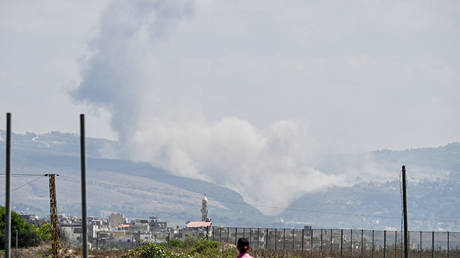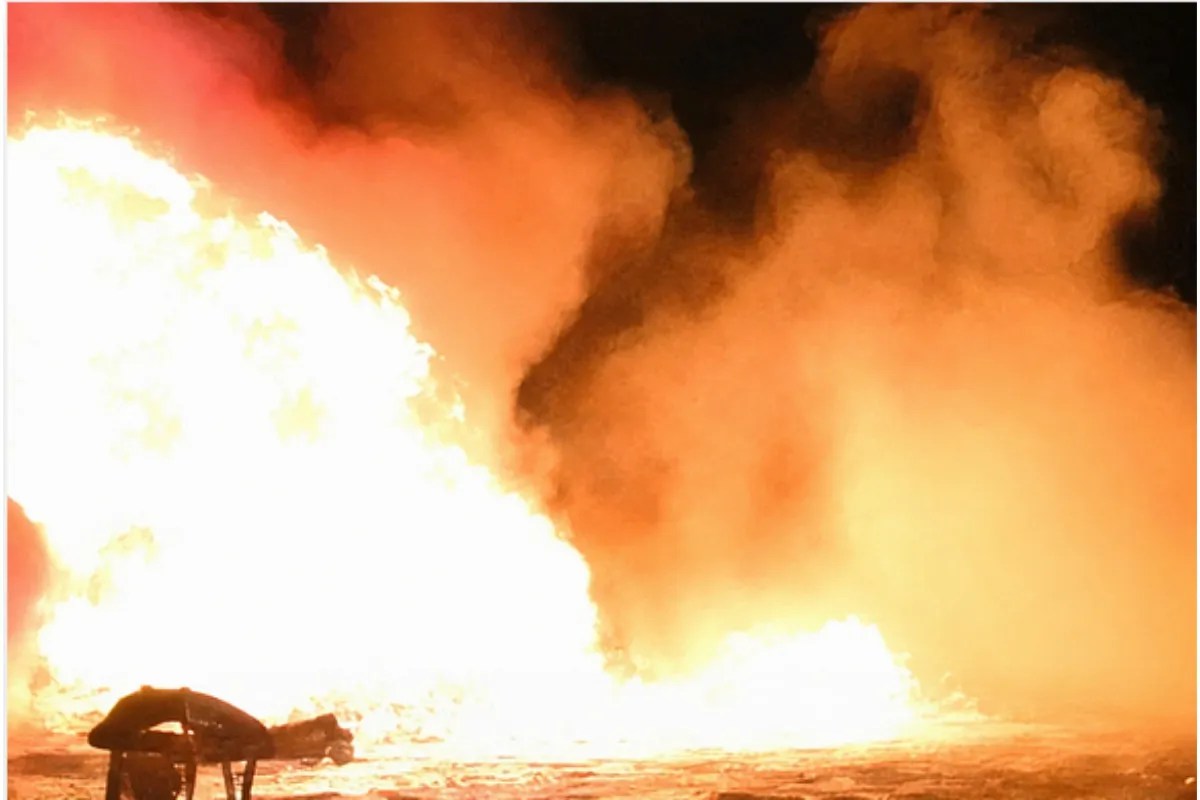
A massive Russian drone strike hit a military warehouse in the village of Myla, located in the Bucha district just west of Kyiv, triggering secondary detonations that destroyed dozens of nearby homes and killed at least 37 people. This incident stands out as one of the deadliest single attacks near the Ukrainian capital this year, surpassing previous casualty counts from the summer. But the real story isn't just the destruction delivered from the air. It's the shocking internal failure that allowed thousands of artillery shells, mines, and drone components to be stored right next to civilian housing.
When the strike landed, it didn't just destroy a military asset; it unleashed a chain reaction of explosions that flattened roughly 50 residential buildings and severely damaged a local care home for the elderly and disabled. Over 370 residents had to be scrambled out of the danger zone as fire crews fought the blaze. Among the dead was Taras Didych, the head of the Dmytrivka community, who lost his life while trying to pull others to safety.
President Volodymyr Zelenskyy didn't mince words following the tragedy. He called out the storage of high explosives near populated areas as a case of severe official negligence. Ukrainian regulations strictly forbid keeping ammunition depots in close proximity to civilian neighborhoods. Yet, this disaster happened anyway.
Prime Minister Serhii Koretskyi pointed out the bitter reality that officials failed to learn any lessons from a similar disaster in July, when a munitions depot blast in the Kyiv suburb of Vyshneve killed 22 people. Operating massive logistics and storage hubs for defense assets near civilian centers during an ongoing war is a catastrophic gamble. Investigators have already opened criminal proceedings for official negligence to figure out who authorized the placement of these munitions.
On the other side, the Russian Defense Ministry claimed the target was a legitimate military node housing components and launch boosters for long-range drones, along with parts for cruise missiles. Moscow has kept up a relentless tempo of aerial strikes around Kyiv for days, aiming to exhaust Ukraine's air defense capabilities and strain emergency infrastructure.
The fallout from Myla forces a hard look at internal security protocols. While air defense systems work around the clock to intercept incoming threats, administrative accountability inside the country remains a weak link. Protecting civilians requires more than intercepting drones; it demands strict adherence to basic safety zones that keep high-explosive depots far away from neighborhoods, schools, and care homes.
Local authorities are continuing search and rescue operations at the site while emergency teams stabilize damaged structures. Expect mounting pressure on military logistics commanders as public outrage over internal oversight grows.