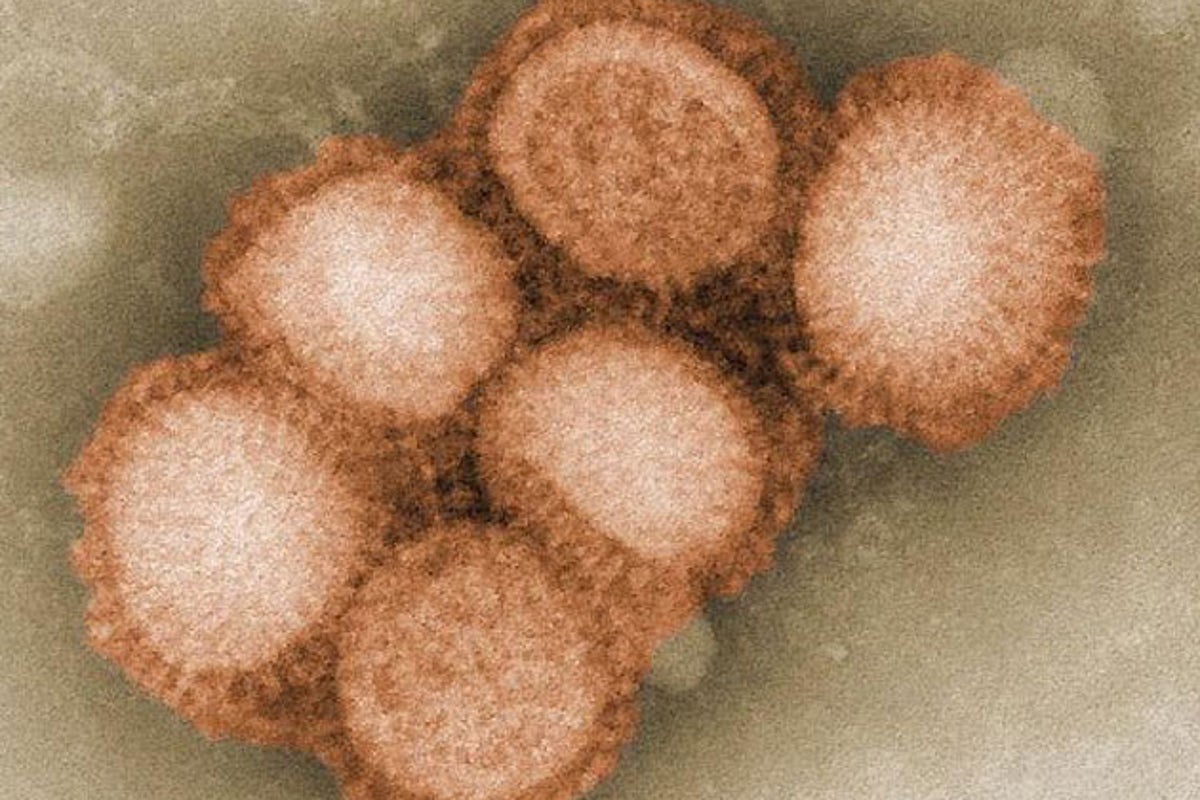
You’ve probably seen it in the corner of a damp shower or on a forgotten loaf of bread. It looks fuzzy, maybe a bit green or black, and usually, you just scrub it away or toss the bread. But when that same substance enters a hospital's ventilation system, it stops being a household nuisance and starts acting like a silent assassin. We are talking about Aspergillus.
Recent headlines about hospital deaths linked to this common mould have sent a chill through the healthcare industry. It’s not a new superbug or a laboratory leak. It’s an organism that’s been on Earth for millions of years. It’s in the air you’re breathing right now. For most of us, our immune systems swat it away like a fly. But for the vulnerable, it’s a death sentence.
Understanding the Aspergillus threat in modern medicine
Aspergillus is a genus of several hundred mould species found worldwide. You’ll find it in soil, decaying vegetation, and household dust. The problem isn't the mould itself; it’s the microscopic spores it releases. These spores are light enough to travel miles on a breeze.
In a typical day, you inhale hundreds of them. If you’re healthy, your lungs have specialized cells called macrophages that gobble them up before they can sprout. But if you’re recovering from a bone marrow transplant, battling cancer, or dealing with severe respiratory issues, those "janitor" cells are either missing or exhausted.
When the spores land in a weakened lung, they don't just sit there. They germinate. They grow long, thread-like structures called hyphae that can actually punch through blood vessels. This leads to a condition called Invasive Aspergillosis. Once it reaches the bloodstream, it can travel to the brain, heart, or kidneys. At that point, the mortality rate often climbs above 50%.
Why hospitals are becoming the perfect breeding ground
It sounds counterintuitive. A hospital is supposed to be the cleanest place on earth. Yet, construction and renovation projects are often the primary culprits behind recent outbreaks.
When a hospital knocks down a wall or replaces a ceiling tile, they disturb pockets of dust that have been settled for decades. These pockets are often packed with dormant Aspergillus spores. If the construction area isn't perfectly sealed with HEPA-filtered "bubbles," those spores hitch a ride on the air currents. They find their way into the rooms of patients who have zero natural defenses.
We saw this play out in high-profile cases at Seattle Children’s Hospital and several facilities in the UK. It wasn't "dirty" floors that caused the trouble. It was the air itself.
The diagnostic nightmare of fungal infections
The biggest hurdle in saving lives from Aspergillus is that it’s incredibly sneaky. The symptoms—fever, cough, chest pain—look exactly like a standard bacterial pneumonia or even a bad case of the flu. Doctors often start with broad-spectrum antibiotics. These drugs kill bacteria but do absolutely nothing to a fungus. In fact, by killing off "good" bacteria, they might even give the mould more room to grow.
By the time a doctor thinks to order a galactomannan test (a specific blood test for fungal cell walls) or a high-resolution CT scan, the infection might already be deep in the tissue.
- Misdiagnosis is common: Fungal infections are frequently mistaken for bacterial ones.
- Speed matters: Every 24-hour delay in antifungal treatment significantly increases the risk of death.
- Resistance is rising: Just like bacteria, some strains of Aspergillus are becoming resistant to our best drugs, like triazoles, partly due to the use of similar fungicides in large-scale agriculture.
The agricultural link nobody wants to talk about
Here is a fact that doesn't get enough attention. We are accidentally breeding "super-moulds" on our farms. Farmers use azole-based fungicides to protect crops like onions and grapes from rot. These chemicals are molecularly very similar to the drugs we use in hospitals to treat humans.
When we spray these chemicals across millions of acres, the Aspergillus in the soil learns how to survive them. When a vulnerable person inhales one of these resistant spores, the standard medicine we have in the hospital cupboard just doesn't work. It’s a classic case of a solution in one industry creating a catastrophe in another.
How to protect the vulnerable at home and in care
If you’re caring for someone with a compromised immune system, you can’t live in a bubble, but you can be smart.
- Skip the gardening: Soil is a massive reservoir for Aspergillus. If someone is post-chemo or post-transplant, they shouldn't be digging in the dirt or even handling mulch.
- Watch the dust: High-quality air purifiers with HEPA filters aren't just for allergies; they are essential for keeping spore counts low in the home.
- Question hospital construction: If a loved one is in the hospital and you see construction crews in the hallway, ask the staff about their air mitigation protocols. It isn't being "difficult"; it’s being an advocate.
- Fix leaks fast: Any dampness in drywall or carpets is an invitation for mould to colonize. Don't wait until you see the black spots to act.
The reality is that Aspergillus isn't going away. It's a fundamental part of our ecosystem. The goal isn't to eradicate it from the planet—that's impossible—but to build better barriers between this opportunistic fungus and the people whose bodies can't fight back. Hospitals need to treat their air quality with the same rigor they treat surgical tool sterilization. Anything less is just waiting for the next headline.
If you are worried about symptoms in a high-risk family member, don't settle for a "wait and see" approach with standard antibiotics. Ask specifically about fungal screenings. Demand a CT scan if a fever won't break. Early intervention is the only thing that changes the math on this infection. Keep your living spaces dry, keep the filters fresh, and stay vocal about the air quality in healthcare settings.