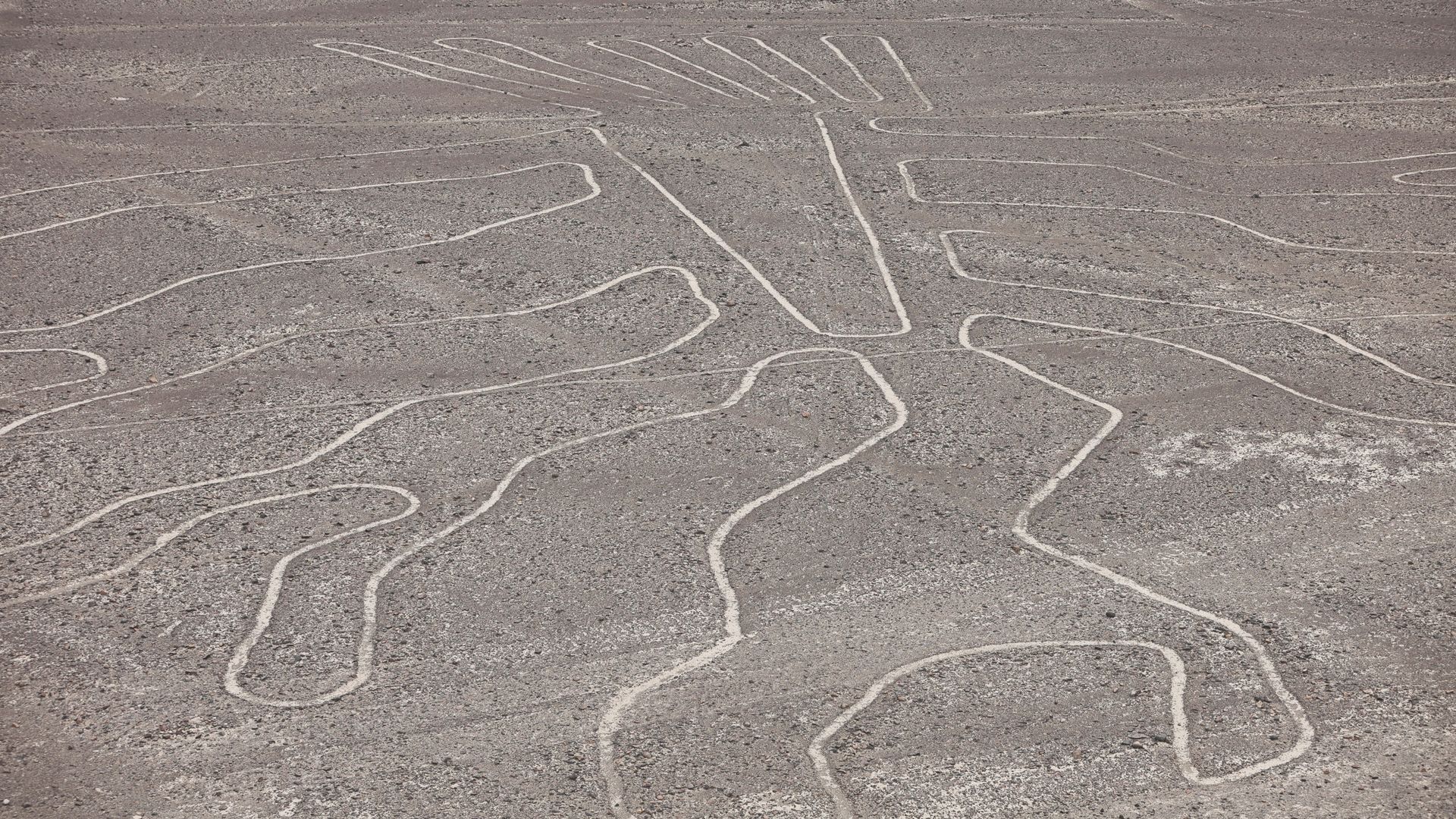
Thirteen people died when a small tourist aircraft operated by Aerodiana crashed and burned near the ancient Nazca Lines in southern Peru. The flight, carrying eleven foreign tourists and two crew members, went down in the Pueblo Viejo area shortly after departing from Pisco, laying bare the grim operational reality behind a high-volume adventure tourism industry that has long prioritized rapid passenger turnover over rigorous oversight.
For decades, the ritual has remained identical. Travelers arrive in the Peruvian desert, board cramped utility aircraft, and bank sharply over ancient geoglyphs so passengers on both sides of the cabin can peer downward. It is an industry built on tight margins, intense competition between regional carriers, and an unyielding pressure to fly regardless of subtle environmental warnings.
The High Cost of Aerial Tourism
The disaster near Nazca is not an isolated anomaly. It is the predictable outcome of an aviation sub-sector operating under structural strain. Small-craft tourism in developing markets often exists in a regulatory gray zone. Oversight bodies face vast geographic territories, limited inspection budgets, and heavy economic reliance on the tourism revenue these very flights generate.
When a carrier loses an aircraft carrying international visitors, global headlines focus momentarily on the tragedy. Yet the systemic vulnerabilities remain largely unexamined once the initial news cycle fades.
- Intense Market Competition: Dozens of small operators vie for tourist dollars, creating downward pressure on ticket prices and incentives to maximize daily rotations.
- Challenging Desert Aerodynamics: High winds, thermal updrafts, and blowing dust across the pampa create severe localized turbulence that tests light aircraft to their limits.
- Tight Turnaround Pressures: Ground crews operate under tight schedules to load, fuel, and dispatch aircraft, compressing safety checks between flights.
Anatomy of a Desert Descent
Understanding how a routine sightseeing run turns fatal requires looking closely at flight profiles unique to the Nazca region. Unlike commercial airliners operating on instrument flight rules between major hubs, sightseeing flights rely heavily on visual navigation, low-altitude maneuvering, and repetitive banking.
When a pilot executes a steep bank so passengers can photograph a spider or hummingbird geoglyph etched into the arid soil, the aircraft enters a high-load state close to stall speeds if winds shift unexpectedly. Local reports noted that wind conditions had already forced disruptions in the area. Yet the line between safe operational thresholds and sudden micro-shear events in the desert canyon winds remains dangerously thin.
The aircraft involved, a light utility plane common to regional operators, offers minimal structural protection during a catastrophic ground impact. Post-crash fires frequently ignite instantly due to fuel loads, sealing the fate of occupants before ground rescue teams can navigate the remote terrain.
Regulatory Blind Spots and Industry Realities
Peruvian aviation authorities face an uphill battle when policing boutique carriers operating out of regional airstrips. While major international airports adhere to rigid global safety standards, smaller municipal fields often lack advanced meteorological monitoring equipment. Pilots frequently rely on visual assessments of wind velocity and visibility rather than real-time telemetry.
Insurance premiums for regional carriers have risen following historical incidents, including previous fatal crashes in the same region. However, higher operating costs rarely translate into modernized fleets or enhanced pilot training programs. Instead, operators frequently absorb costs by stretching maintenance intervals or pushing flight crews to fly multiple consecutive legs under high thermal stress.
Travelers booking these experiences rarely possess the technical background to evaluate a carrier's safety record. They purchase a ticket through a bundled tour package, trusting that government certification implies absolute safety. That trust rests on a fragile foundation.
The Broader Reckoning for Adventure Travel
Tourism boards across South America market these aerial excursions as bucket-list experiences. They generate vital foreign currency and local employment in regions with few alternative economic engines. But the human toll exacted on these desert plains demands a fundamental structural overhaul of how governments license and monitor low-altitude flight operators.
True reform would require mandatory digital flight tracking, independent safety audits funded independently of tourism ministries, and strict enforcement of wind and visibility minimums that prioritize human life over schedule integrity. Until those standards are enforced without exception, the skies above the southern desert will remain hostile territory for the unsuspecting traveler.
The wreckage in Pueblo Viejo cools, but the economic and operational pressures that put that aircraft in the air remain entirely unchanged.