Modern media digests routinely package disparate global phenomena into convenient cultural summaries, masking the structural realities that govern high-level diplomacy and regional economies. When high-stakes political summits and localized economic frictions are reduced to weekend reading lists, the underlying mechanics of power and market reaction are lost. Deconstructing these narratives requires shifting focus from superficial summaries to the underlying institutional incentives, economic trade-offs, and behavioral economics driving international relations and tourism management.
The Signaling Economy of Diplomatic Body Language
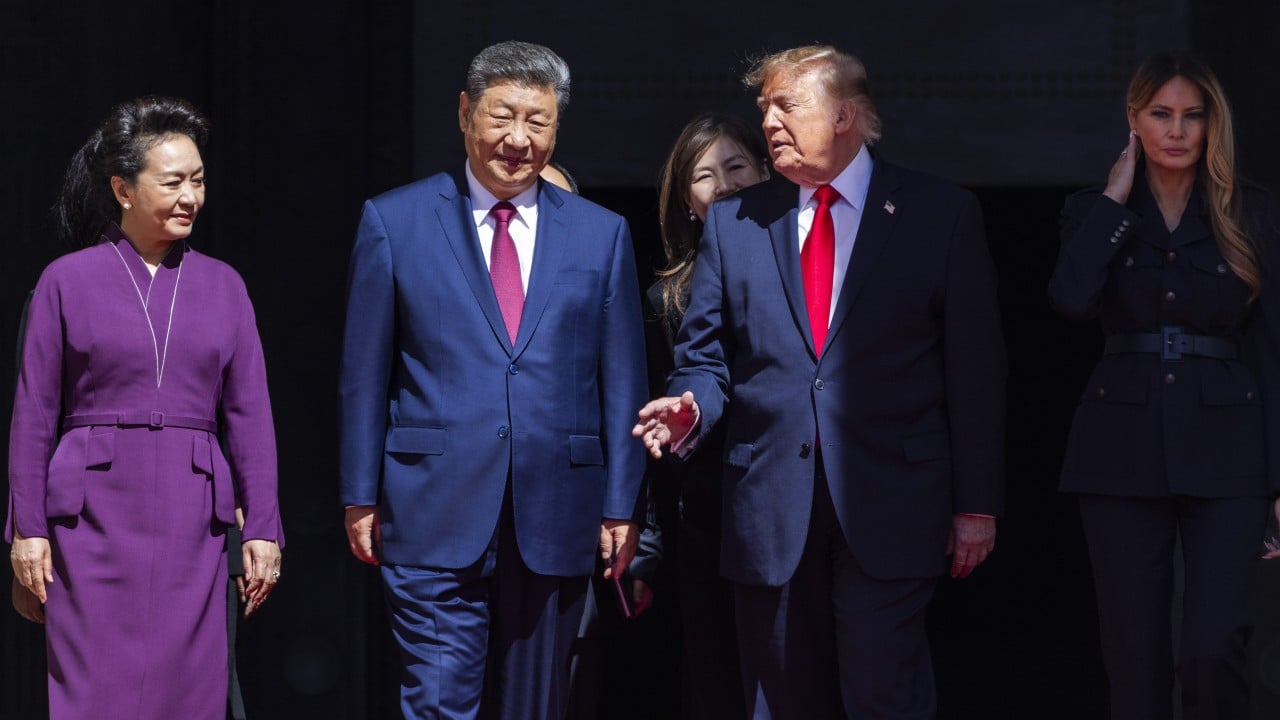
Media coverage of leadership summits frequently relies on theatrical breakdowns of physical posture, facial expressions, and handshake duration. This approach misinterprets the function of public displays between heads of state. Non-verbal communication in high-level statecraft is not an unscripted window into emotional states, but a calculated instrument of signaling designed for domestic audiences and secondary market participants. For a different view, consider: this related article.
When leaders such as US President Donald Trump and Chinese President Xi Jinping engage in public appearances, every variable—from venue selection to proximity—is negotiated to satisfy specific utility functions:
- Domestic Audience Cost Mitigation: Actions are calibrated to signal strength or pragmatism without triggering nationalist backlashes at home. A relaxed posture communicates control, while rigid formality signals unyielding resolve.
- Market Stabilization: Financial markets parse visual cues for indicators of systemic risk. Ambiguity in trade negotiations or technology restrictions is often managed through carefully staged moments of institutional hospitality to prevent liquidity shocks.
- Asymmetric Objectives: The United States and China operate under fundamentally different domestic pressures. While US administrations navigate volatile electoral cycles that reward visible wins, Beijing prioritizes long-term strategic predictability and technological autonomy, rendering short-term visual optics secondary to structural concessions.
Analyzing these interactions through the lens of rational choice theory reveals that public body language functions as cheap talk unless backed by verifiable policy shifts. When critical issues—such as semiconductor export controls or macroeconomic alignment—take a back seat to ceremonial venue tours, it indicates a conscious decision by both sides to defer intractable structural disputes while maintaining baseline diplomatic channels. Similar insight on the subject has been published by The New York Times.
Structural Drivers of Destination Backlash
Parallel to great power politics, regional tourism markets face a different form of friction. Destinations experiencing a surge in inbound visitors frequently encounter a tipping point where the marginal utility of tourism revenue is outweighed by negative externalities on local infrastructure and social cohesion. The recent regulatory and social pushback in markets like Thailand illustrates the predictable consequences of unconstrained volume-based tourism strategies.
The economics of destination saturation follow a clear degradation curve:
- Infrastructure Strain: Public services, waste management, and transport networks designed for local carrying capacities experience severe congestion, raising maintenance expenditures for municipal authorities.
- Real Estate Distortion: Conversion of residential stock into short-term rentals inflates housing costs for local populations, decoupling local wages from living expenses.
- Social Tolerance Thresholds: Antisocial behavior by a minority of visitors erodes host community goodwill, prompting political pressure for regulatory intervention, visa restrictions, or higher entry barriers.
Governments attempting to correct these imbalances face a classic optimization problem. Shifting from a high-volume, low-yield tourism model to a high-yield, low-impact model requires accepting short-term revenue contractions in exchange for long-term infrastructural sustainability. Policy interventions typically involve raising tourist taxes, enforcing stricter behavioral codes, or limiting access to ecologically and culturally sensitive zones.
Strategic Interdependence and Adaptation
Both high-level diplomatic management and regional tourism reform highlight the limits of reactive governance. In international trade and security, attempts to decouple technological ecosystems collide with deep global supply chain integration. Just as destination management cannot rely solely on welcoming every incoming traveler without regard for carrying capacity, global economic powers cannot decouple critical sectors without incurring massive deadweight losses.
Market participants and policymakers must evaluate these systems not through the lens of episodic news cycles, but through structural risk models. The primary variable determining success in both domains is the capacity to transition from short-term optics management to sustainable capacity planning.
Prioritize institutional frameworks over public signaling by auditing exposure to regulatory shifts in cross-border trade and reallocating capital toward resilience rather than volume expansion in tourism-dependent sectors.
Trump-Xi summit archive footage
This video provides primary visual context on the interaction dynamics discussed in the diplomatic signaling section.