We spend our lives looking up. We map the constellations, track the trajectories of distant comets, and point our metal tubes toward Mars, convinced that the ultimate frontier rests in the black vacuum of space. Meanwhile, beneath the damp soil of Michigan, an entire continent of shadow hums with life.
It smells like sulfur and damp stone down there. If you were to drop a stone into a borehole in the Michigan Basin, it would fall for a long time before striking anything wet. But when it hits, it splashes into waters that have remained untouched by sunlight since before human history was whispered around campfires. Learn more on a related subject: this related article.
For decades, we treated the subterranean earth as a dead zone. We built our mines, pumped our oil, and assumed that once you dropped past the roots of the trees and the shallow burrows of rodents, the world surrendered to sterile rock and suffocating pressure. We were wrong.
Picture Dr. Sarah Lin standing in the cold, humming rattle of a drilling rig in the middle of a muddy clearing. Mud splatters her boots. The air tastes of diesel and cold mist. She is holding a stainless-steel vial containing water pulled from 1,640 feet beneath the surface—a depth where the weight of the earth presses down with crushing, unforgiving force. Further reporting by Smithsonian Magazine highlights related views on this issue.
To anyone else, it is just murky liquid drawn from an ancient limestone layer known as the Michigan Basin. To Sarah, it is a living room.
When her team sequence the DNA from that single vial, the numbers come back and defy expectation. They do not find a handful of hardy bacteria. They find six hundred and eighty-nine distinct kinds of fungi.
Let that sink in. Six hundred and eighty-nine.
This is not a modest handful of microbial survivors clinging to existence. This is a sprawling, hidden ecosystem thriving in total darkness, breathing chemicals instead of oxygen, and metabolizing the slow decay of minerals trapped in the bedrock for hundreds of millions of years.
Consider what happens next: you have to rethink how life works.
We are taught from childhood that life requires the sun. Plants catch the light. Herbivores eat the plants. Carnivores eat the herbivores. It is a neat, sun-drenched pyramid with roots firmly planted in photosynthesis. But what happens when you turn off the sun? What happens when you drop a thousand feet into the crust of the earth, where photons have never penetrated?
Life finds a way. It always does, but the way it chooses here is startling.
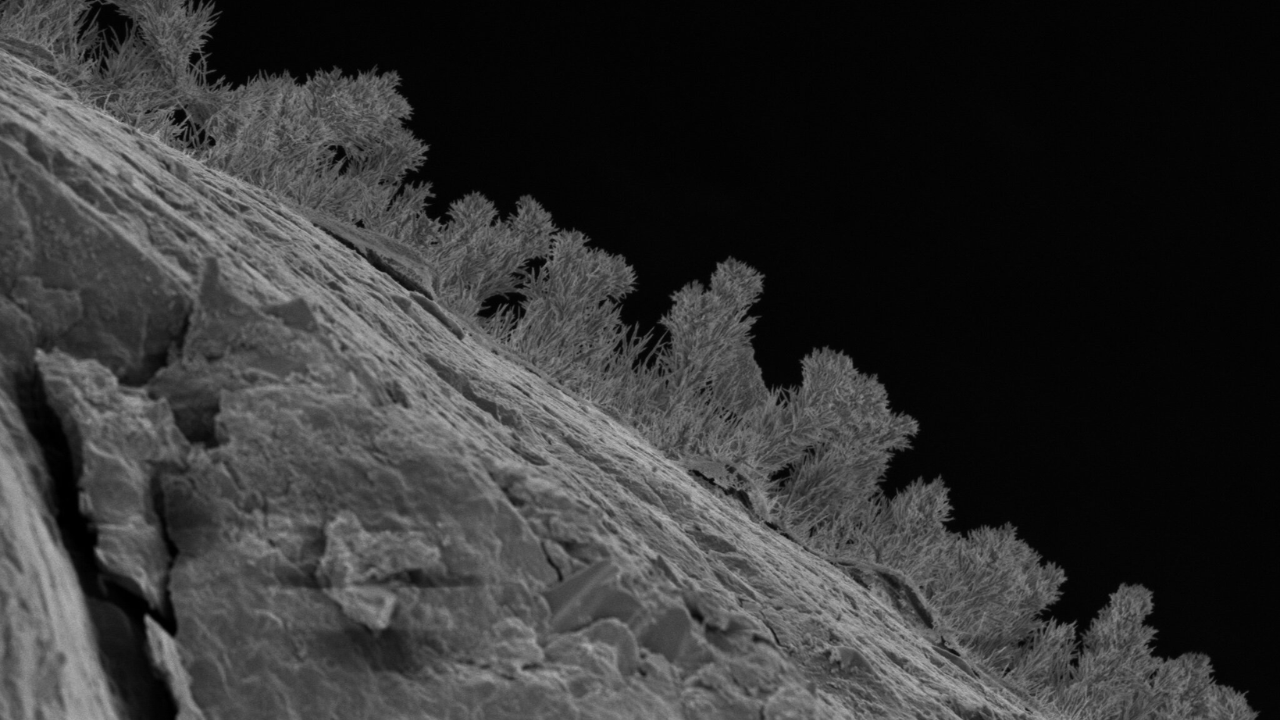
Down in those deep brine pockets, these fungi are not waiting around to die. They are working. They are breaking down complex organic molecules locked inside ancient sedimentary formations, whispering through microscopic threads called hyphae in a silent, subterranean network. They survive in hypersaline waters that would pickle human tissue in seconds, enduring pressures that would crush a submarine.
I remember standing near an active excavation site years ago, watching roughnecks pull core samples from deep shale. The men handled the rock with callous indifference, seeing only commodities, weight, and profit margins. But I felt a strange vertigo. I realized that the ground beneath my feet was not a solid, lifeless foundation. It was a membrane. A thin crust separating our noisy, sunlit world from a vast, ancient biosphere that hums in total silence.
We are like children living in the attic of an old house, entirely unaware of the bizarre, complex family living in the basement.
The discovery in Michigan is part of a quiet revolution in modern science. For a long time, we thought the deep subsurface was an empty desert. Now, microbiologists are realizing that the mass of life hidden beneath the Earth's crust might actually rival or exceed the biomass living on its surface. We call this the deep biosphere. It is a world of extremophiles, organisms that look at conditions designed to kill us and treat them as an invitation.
Why does this matter? Because it changes our search for life elsewhere in the cosmos.
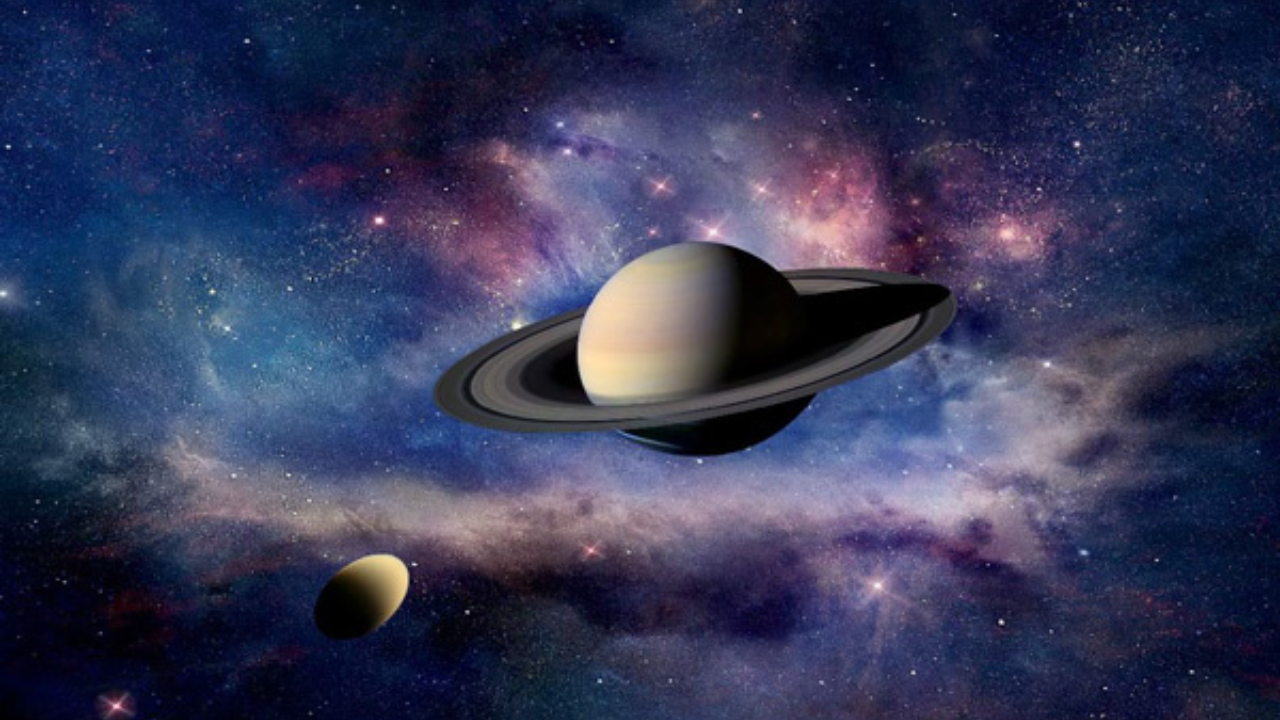
When we send rovers to Mars or train our telescopes on the icy moons of Jupiter and Saturn, we look for surface signatures. We look for green fields, liquid oceans glistening in the sun, or atmospheric oxygen. But the Michigan fungi suggest a different rulebook. If life can carve out a thriving, diverse empire a third of a mile beneath a Midwestern state in pitch blackness and crushing pressure, then life does not need a gentle climate. It needs chemistry, time, and water.
Mars has subterranean aquifers. Europa has a hidden ocean beneath miles of ice. If we want to find extraterrestrial life, we should stop staring at the surface and start drilling.
Back in the laboratory, Sarah holds up another vial. The water inside is crystal clear, yet it teems with unseen architects. These fungi have spent epochs locked away from human ambition, quietly cycling nutrients and shaping the subterranean chemistry of our planet. They do not know about our politics, our wars, or our digital screens. They only know the steady, rhythmic pulse of the earth.
We walk around with our heads in the clouds, convinced we have conquered every square inch of this planet. We map our mountains with satellites and our oceans with sonar. Yet, right beneath our manicured lawns, beneath our shopping malls and interstate highways, a strange, beautiful, and completely alien wilderness goes about its ancient business.
The earth is not a stage for us. It is a living, breathing organism, holding its deepest secrets where the light can never reach.