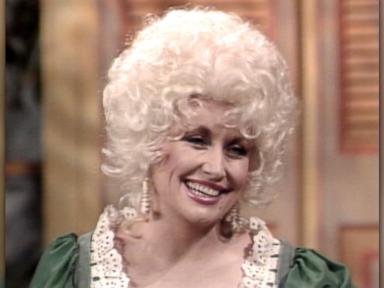
Sequin catsuits, towering wigs, and three-inch acrylic nails don't typically spell high fashion in conservative boardrooms. Yet Dolly Parton stands as one of the most enduring style icons of the modern era. People love to laugh at the rhinestone-studded caricature she created. That is a massive mistake. Dolly didn't accidentally stumble into her signature look. She built a deliberate visual armor that turned her physical insecurities into high-stakes branding magic.
You've probably heard the quote about how much it costs to look this cheap. Dolly said it first, owning the joke before anyone else could. That move right there explains her entire approach to personal style. She took the rural poverty of her childhood in Sevier County, Tennessee, mixed it with the exaggerated glamor of the local town trollop she admired, and weaponized it. While fashion historians spend years analyzing the minimalism of Coco Chanel, they often miss the absolute genius of a woman who turned maximum visibility into a masterclass in self-determination.
The origin story of the painted lady
Growing up dirt poor with a house full of siblings leaves a mark. Dolly didn't have money for boutique clothes or designer shoes. What she had was a fierce imagination and a mother who kept her clean in feed-sack dresses. When she finally got a paycheck from country music radio and television spots in Knoxville, she spent it immediately.
She wanted the exaggerated look of the local beauty queens and magazine pin-ups. People stared. Critics called her tacky. Music executives begged her to tone down the makeup and ditch the wigs if she wanted to be taken seriously as a serious songwriter.
Dolly refused.
She understood something crucial about the entertainment business. Being ignored is a death sentence. Being mocked is annoying, but it keeps you in the conversation. By leaning hard into her hyper-feminine, cartoonish aesthetic, she created a visual shorthand that nobody could ever forget. You spot that silhouette from a mile away.
Building the rhinestone armor
Let us talk about the clothes themselves. Nudie Cohn, the legendary tailor to country stars, helped shape the early glitter-soaked era of Nashville stage wear. But Dolly took his bedazzled aesthetic and ran it into the stratosphere.
Her signature stage costumes are engineering marvels. They have to withstand hours of vigorous guitar playing, heavy sweating under hot studio lights, and countless costume changes. Beneath the rhinestones lies serious structural planning. She works with long-time designers to build garments that hold their shape while allowing her tiny frame to move freely.
Consider the hair. The wigs are legendary. They solve a very practical problem for a touring musician who hates spending hours in a salon chair. But they also serve as a psychological shield. The bigger the hair, the further away the critics feel. It is a brilliant trick. You are looking at the costume, not the fragile human underneath.
"I look at myself as a cartoon character," Dolly once admitted. "I design my own look. I'm my own creation."
That self-awareness separates her from artists who simply wear whatever a stylist hands them on loan. Dolly owns every single thread.
Breaking the rules of aging in public
Women in the public eye face an impossible trap regarding aging. Get work done and get mocked. Age naturally and get called washed up. Dolly bypasses this entire stupid debate by never pretending she is anything other than artificially enhanced.
She has spoken openly about her plastic surgery, her wigs, and her makeup routine. There is zero pretense of "I woke up like this." That radical honesty disarms the gossip magazines. You cannot shame someone who is already laughing at the joke with you.
Her style has evolved too. While the core ingredients remain constant—tight silhouettes, sparkle, pastel pinks, and massive hair—she updates the tailoring for each decade. She wore disco-era bell bottoms that sparkled like a mirror ball, 1980s power shoulders encrusted in crystals, and modern sheer mesh gowns that still nod to her classic hourglass obsession.
What you can learn from her wardrobe
You do not need to glue three thousand rhinestones onto a jumpsuit to steal a page from her style playbook. The real lesson here is about radical authenticity.
- Find your uniform. Dolly figured out what shapes, colors, and textures made her feel powerful in her twenties and stuck with them for six decades. Consistency builds a legacy.
- Own your flaws. If people talk about your quirks, lean into them. Turn your perceived liabilities into your signature trademark.
- Comfort meets drama. You cannot command a stage if you are fidgeting with your clothes. Her costumes look wild, but they are built for performance. Wear things that make you feel invincible, not trapped.
Fashion snobs spent decades dismissing her as a novelty act. Now, luxury houses reference her imagery on runways, and younger generations wear vintage tour t-shirts with pride. She outlasted every single trend cycle by refusing to chase them. She stayed right where she was, dripping in glitter, while the rest of the world finally caught up to her genius.