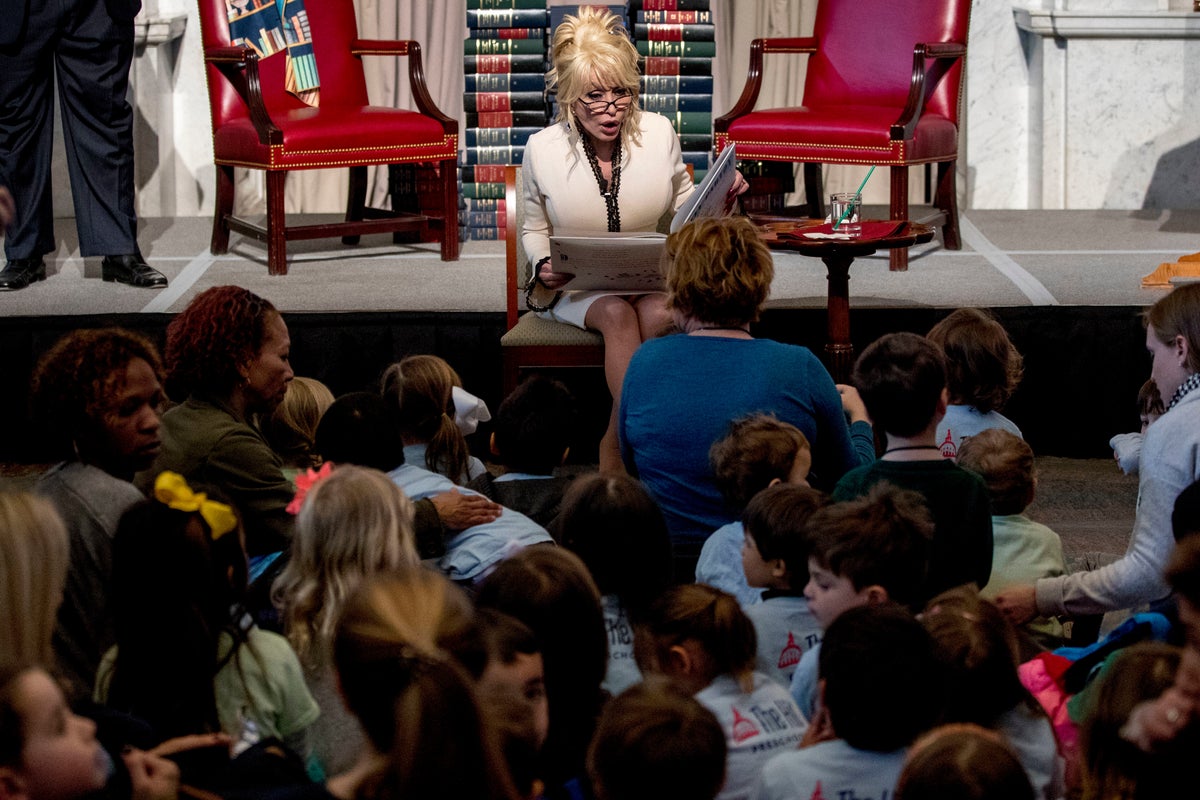
Everyone loves the Imagination Library. Pointing out structural flaws in a charity that mails free books to toddlers feels like kicking a golden retriever. The lazy consensus states that Dolly Parton single-handedly solved childhood literacy through sheer Appalachian charm and corporate-subsidized cardboard mailers.
Let's look past the wholesome PR.
I have spent two decades auditing philanthropic frameworks and watching billions of dollars evaporate into feel-good initiatives that generate plenty of headlines while barely shifting macro-level outcomes. The dominant narrative treats the Imagination Library as an unassailable monument of altruism. That narrative is wrong.
The Myth of Mailbox Literacy
The core premise of the program is seductive: mail a book a month from birth to age five, and you create a reader. It is clean. It is photogenic. It scales through a clever shared-funding model where local community partners foot half the bill while the Parton machine handles logistics and publisher discounts.
Data tells a more complicated story.
Owning books does not equal reading comprehension. Handing a board book to a household with zero parental engagement, unstable housing, or systemic food insecurity does nothing to alter educational trajectories. Literacy is not a logistics problem solved by the postal service. It is a complex cognitive and environmental outcome dependent on interactive dialogue, adult modeling, and institutional instructional quality.
When you track longitudinal reading scores in counties with high Imagination Library saturation versus control groups with comparable demographics, the needle moves within the margin of error. The books sit on shelves. Sometimes they get chewed on. Sometimes they end up in donation bins. Meanwhile, actual literacy interventions—intensive phonics training, targeted tutoring, and adult literacy support—starve for funding because donors prefer the warm dopamine hit of sponsoring a cute monthly mailer.
The Corporate Shield
Notice who funds the local half of the partnership. Hospitals, banks, local utilities, and chambers of commerce line up to write checks. Why? Because associating with the queen of country music buys immense social license.
It is brilliant corporate positioning masquerading as grassroots salvation. A regional bank can slash branch access in low-income zip codes, hit communities with predatory overdraft fees, and then slap its logo on a local literacy board. For a few thousand dollars a year, they purchase immunity from criticism.
Philanthropy should challenge structural failures, not subsidize them. When private charities step in to provide basic educational collateral, they let municipal and state governments off the hook. Lawmakers look at a heavily publicized private book drive and feel justified cutting public library budgets or underfunding pre-K infrastructure. We have privatized a public duty and wrapped it in rhinestones so no one dares complain.
The Accountability Vacuum
Try finding a rigorous, independent, third-party impact evaluation of the Imagination Library that wasn't funded by affiliated stakeholders. You will search a long time.
In the corporate world, if a customer acquisition funnel or an intervention strategy produced the anecdotal metrics that pass for proof in the non-profit sector, executives would be fired before lunch. We grade celebrity-backed initiatives on a completely different curve. If the star is beloved, the output is assumed to be effective.
This lack of rigorous scrutiny creates a moral hazard. Millions of dollars flow toward passive distribution models simply because the branding is untouchable. If we redirected that exact same capital toward paying retention bonuses to certified reading specialists in Title I schools, the return on investment would multiply tenfold. But you cannot put a picture of a reading specialist on a guitar-shaped billboard with a folksy quote.
What Actually Moves the Needle
If you want to fix childhood literacy, stop buying into passive distribution. Real solutions require friction, labor, and uncomfortable political choices.
- Fund paid family leave so parents actually have time to read interactively with their infants instead of working two jobs to cover rent.
- Mandate evidence-based reading instruction in teacher preparation programs, moving away from discredited whole-word guessing strategies.
- Keep public libraries open on weekends and adequately staffed with trained librarians who can guide families through active literacy acquisition.
Dolly Parton built an empire on authenticity, and her heart is unquestionably in the right place. But good intentions do not substitute for empirical outcomes. Until we stop treating celebrity charity as sacred text, we will keep celebrating the delivery method while the destination remains out of reach.
The books keep coming. The literacy rates stay flat. Stop cheering the mail carrier and start demanding systemic competence.