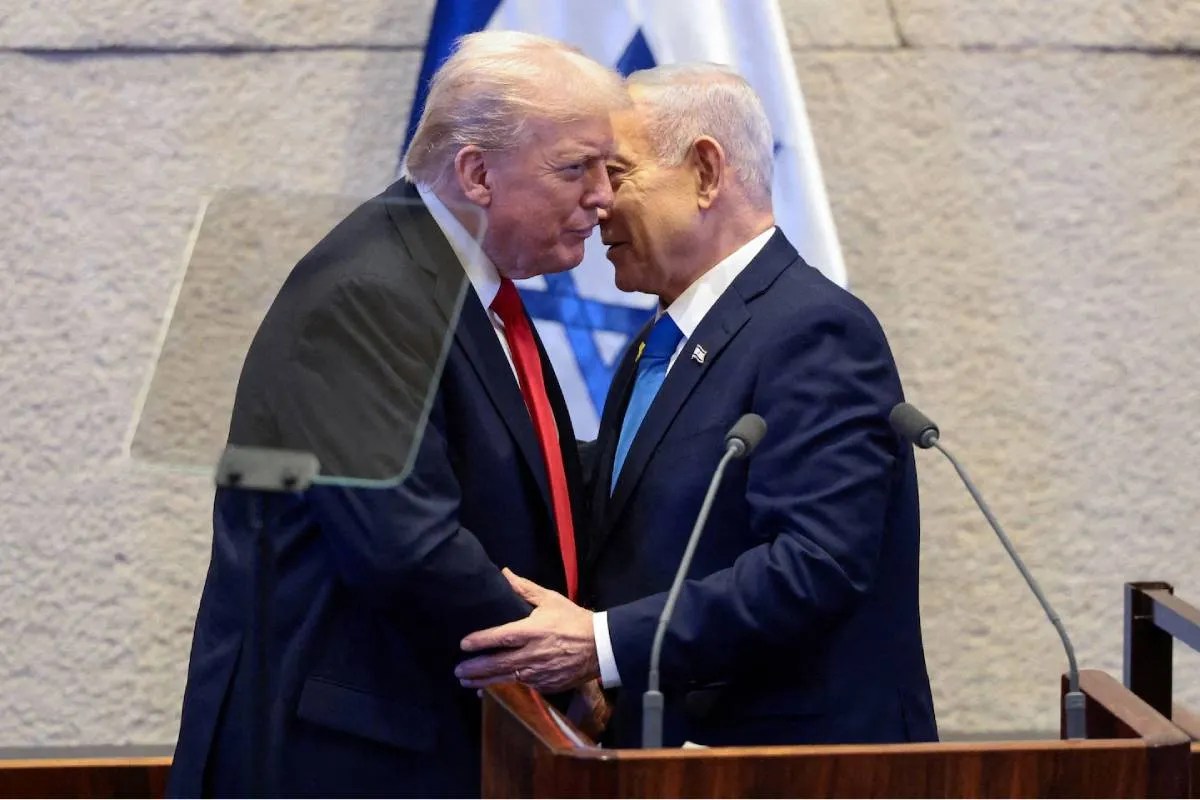
The mainstream media is hyperventilating again. They stumbled upon reports of Donald Trump expressing frustration with Benjamin Netanyahu—blaming the Israeli Prime Minister for complicating diplomatic maneuvers with Iran—and immediately ran with a lazy, predictable narrative. The consensus punditry claims this is a "rift." They want you to believe the alliance is fracturing, that personal egos are ruining geopolitical strategy, and that a warning from Trump signals a fundamental shift in US-Israel relations.
They are completely missing the point.
What the talking heads view as a genuine breakdown is actually a highly calculated, transactional choreography. Having monitored international trade negotiations and high-stakes political maneuvering for two decades, I recognize this pattern. It is not a breakdown. It is a leverage play. To understand what is actually happening between Washington, Tel Aviv, and Tehran, you have to ignore the surface-level melodrama and look at the underlying mechanics of power.
The Illusion of the Fracture
The foundational flaw in current political analysis is the assumption that public friction equals strategic misalignment. It does not. In the world of ruthless pragmatism, public friction is a tool used to reset boundaries and extract concessions.
Mainstream reports treat Trump’s comments as a emotional outburst. This perspective ignores how transactional diplomacy operates.
- The Public Posture: A leader publicly airs grievances to signal to domestic audiences and foreign adversaries that their support is not a blank check.
- The Strategic Reality: By creating perceived distance between himself and Netanyahu, Trump signals to Tehran that he is not bound by Israel's immediate tactical timeline, thereby gaining a superior negotiating position for future deal-making.
Let’s dismantle the premise that Netanyahu "ruined" the chance for an Iran deal. The idea that a single foreign leader could unilaterally dictate the trajectory of Washington's sanctions regime or diplomatic outreach is absurd. United States foreign policy is driven by systemic interests, economic pressures, and regional balance. Netanyahu did not break the deal; he acted as the necessary friction that allowed Washington to drive a harder bargain.
[Traditional View]   Media -> Sees Public Spat -> Concludes Alliance Weakness
[Strategic View]     Insider -> Sees Public Spat -> Identifies Leverage Generation
Why the Mainstream Analysis of the Iran Deal is Flawed
When pundits look at Trump's grievance regarding the Joint Comprehensive Plan of Action (JCPOA) or subsequent negotiation attempts, they frame it as a failure of cooperation. They ask: Why can't these two allies get on the same page?
That is the wrong question entirely. The correct question is: How does manufacturing public disagreement serve the immediate goals of both administrations?
Consider the mechanics of the maximum pressure campaign. For sanctions to work, the target nation must believe that the alternative to negotiation is total escalation. By playing the "good cop, bad cop" routine on a global stage, Washington and Tel Aviv create a highly effective psychological pincer movement.
- Israel acts as the unguided missile: Projecting an absolute willingness to take unilateral military action against Iranian nuclear facilities.
- Washington acts as the rational broker: Warning that it might not be able to hold its ally back unless a diplomatic resolution is reached.
When Trump publicly criticizes Netanyahu for making a deal "difficult," he is reinforcing this exact dynamic. He is telling the world—and Iran—that he is trying to negotiate, but his ally is unpredictable. It is a textbook tactic from The Art of the Deal. It shifts the blame for negotiation stalemates away from American policy and places it squarely on regional complexities.
The Cost of the Contrarian Take
Let's be brutally honest and address the downside of this approach. This strategy of tension is highly volatile.
The Structural Risk: When you constantly use public friction to generate diplomatic leverage, you risk causing actual, systemic fatigue among low-level diplomats and military intelligence frameworks that require stability to operate.
I have seen corporate boards unravel because the CEO and the Chairman decided to play psychological games with competitors without informing their executive teams. The confusion trickles down. In geopolitics, that confusion can lead to miscalculation by adversaries who mistake choreographed theater for genuine weakness. If Tehran genuinely believes Washington will not back Tel Aviv during a crisis due to these public disagreements, they might take risks they would otherwise avoid. That is the real danger, not the hurt feelings of political leaders.
Dismantling the Expert Consensus
The self-proclaimed foreign policy experts frequently populate cable news channels to tell us that "alliances require absolute public unity to maintain deterrence."
This is historically illiterate. Some of the most significant diplomatic breakthroughs of the 20th century occurred precisely because allies publicly broke ranks or created strategic ambiguity.
- Think of Richard Nixon’s "Madman Theory," where his administration deliberately let it be known that the President was unpredictable and potentially reckless.
- Think of the calculated tensions between Charles de Gaulle and the rest of NATO during the Cold War, which ultimately allowed France to serve as a distinct diplomatic bridge when needed.
To say that Trump's warning to Netanyahu is a sign of policy failure is to misunderstand how deterrence is built. Absolute predictability is the enemy of effective diplomacy. If your adversary knows exactly what your alliance will do, when you will do it, and how much you agree on every detail, they can map out an exact counter-strategy. A volatile alliance is a dangerous, unpredictable entity. It keeps opponents off-balance.
Stop Looking for Consensus Where Competition Rules
If you want to understand the reality of international relations, you must stop viewing global politics through the lens of a high school drama where everyone needs to get along. It is a marketplace of competing national interests.
Trump's political brand is built on disruption and upending established diplomatic protocols. Netanyahu's political survival relies on demonstrating to his electorate that he can stand up to global superpowers while securing their core security needs. Both leaders know exactly what they are doing. They are feeding their respective political bases exactly what they want to hear, while keeping their geopolitical options wide open.
The next time you see a headline screaming about warnings, rifts, or anger between major world leaders, ignore the emotional language. Look for the transaction. Ask yourself what leverage is being created, who is being forced to the negotiating table, and how this public theater changes the price of admission. The reality is never found in the anger; it is found in the leverage.